

-
-
-
Application

-
-
-
-
Service
Under the 5G boom, what changes can 5G bring to industrial robots?
Published Time:
Sep 26,2019
5G Basics: 5G is not an independent technology, but an abbreviation for the fifth generation mobile communication system, and is the next generation system of the current 4G (fourth generation mobile communication system). 5G networks have three main characteristics: ultra-high speed, ultra-low latency, and ultra-large capacity. The most intuitive feeling for ordinary users is the speed - the network speed can reach 1GB/S. According to Sichuan Telecom's test, when downloading at full speed, it only takes a few seconds to download a high-definition movie. The 5G network latency is reduced from 50 milliseconds of 4G to 1 millisecond, and the network jams that used to bother everyone will disappear.
According to Vivek Wadhwa, a researcher at Stanford University and a world-renowned expert in artificial intelligence, predicted that by 2036, Internet of Things AI robots will be involved in all aspects of human life and replace human jobs. With the advent of the 5G era, 5G has been at the forefront. Most people mainly focus on the speed of 5G, however, 5G is based on the advantages of data collection, storage, and processing, and has become one of the most critical technologies in advanced technologies such as machine learning, artificial intelligence, and cloud computing. The most anticipated aspect of 5G commercialization is robotics technology. 5G is also considered by many industry insiders as the driving force for the development of commercial robots.
What changes can 5G bring to industrial robots?
1. Improve product quality and production efficiency
In the long run, 5G will become one of the main communication methods between robots and researchers. First, the 5G network will be 10-100 times faster than the 4G network, and the end-to-end latency issues of industrial robots, such as command instructions and receiving information, will be well solved. The 5G network latency is reduced from 50 milliseconds of 4G to 1 millisecond, so it can greatly improve the efficiency of the machine. Secondly, most robots currently use WiFi for work scheduling, and problems such as interference and easy concealment have always been a major concern for equipment debugging personnel. 5G can greatly enhance the anti-interference performance of ELTE, which means that industrial robots will be more stable during operation. According to statistics, robots using the industrial Internet can help manufacturing enterprises improve production efficiency by 8%-15%, while reducing production costs by 8%-15%.
2. Reshape the robotics industry
In the past few years, the global robot market has experienced a turning point from rapid growth to slow growth. Industry insiders believe that the robotics industry has entered a deep adjustment stage. Emerging technologies such as 5G, artificial intelligence, and the industrial Internet are expected to reshape the robotics industry, promote supply and demand expansion, and allow the robotics industry to continue to develop and promote the transformation of old and new driving forces and the important driving force for high-quality economic development.
3. Open up new space
The integration of 5G and robotics technology will enhance the application potential of robots. Xu Xiaolan, vice president and secretary-general of the China Electronics Society and president of the China Industrial Internet Research Institute, said that the industrial Internet will help robots achieve interconnection and data sharing, effectively reduce robot losses and maintenance costs, support robots to carry out customized production, enable robots to quickly adapt to multi-variety, small-batch customized production, rapid product updates, and adapt to increasingly fierce market competition. The integration of 5G communication technology, industrial Internet, and robotics technology will significantly improve the real-time performance, integrity, and throughput of data transmission, greatly enhance the intelligence, flexibility, and precision control capabilities of robots, enhance the application potential of robots, and promote robots to enter the fast lane of development.
4. Cloud robots
In the intelligent manufacturing production scenario, robots need self-organization and collaboration capabilities to meet flexible production, which brings about the demand for cloud robots. The 5G network is the ideal communication network for cloud robots and is the key to enabling cloud robots. It can be said that in the future, 5G is the fundamental skill to complete cloud robots. As the only way to connect the future today, 5G's collaboration with robots will inevitably lay a solid foundation for Industry 4.0.
Summary: The intelligent factory under the combination of 5G and industrial robots will significantly improve working conditions, reduce manual intervention on the production line, improve the controllability of the production process, and most importantly, use information technology to connect various processes of the enterprise, realizing interconnection from design, production to sales, and on this basis, realizing resource integration and optimization.
BLOGS
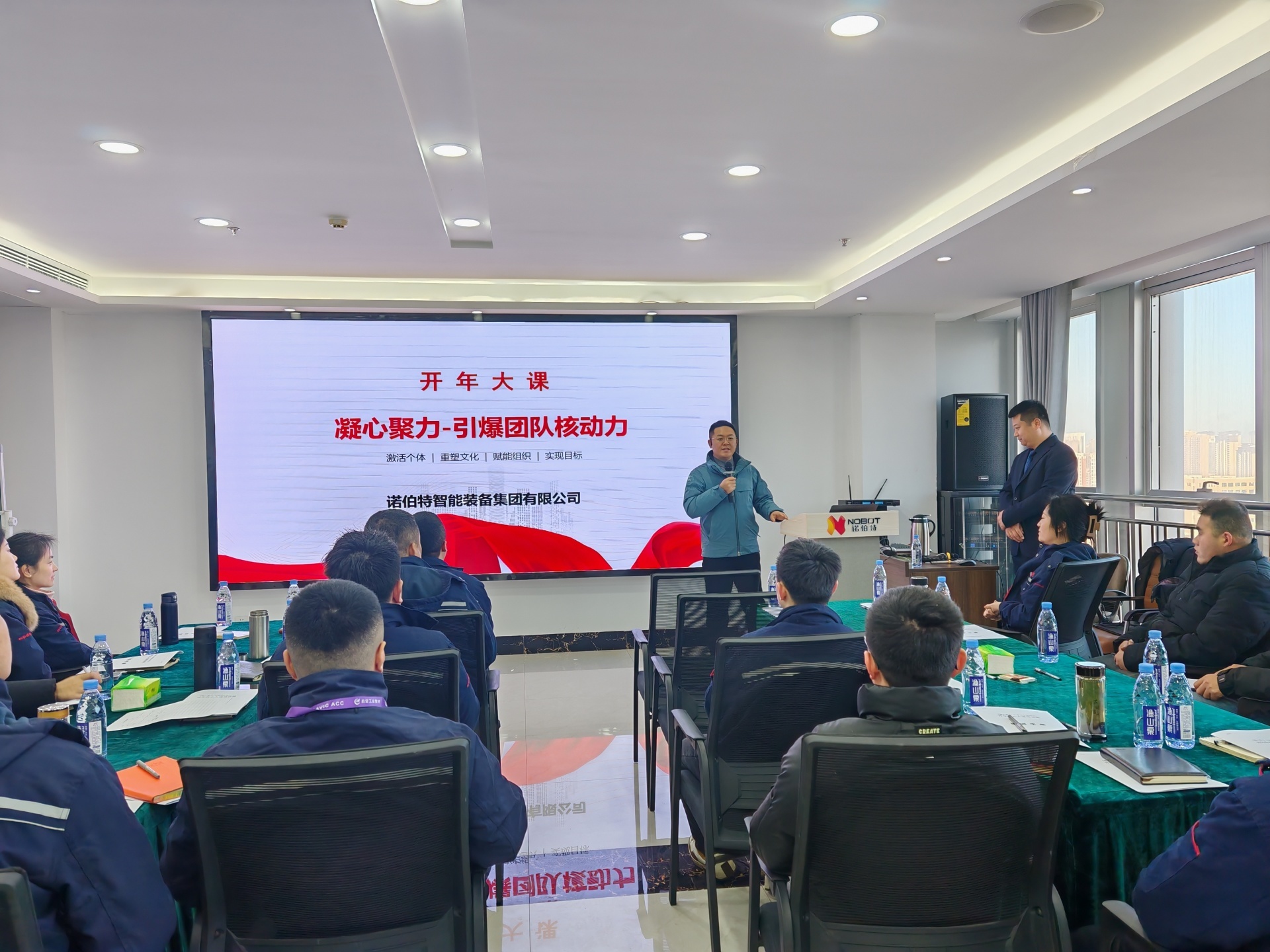
Nobot Group's 2025 Kick-off Event: A Team Building Activity Focused on Unity and Power
This opening ceremony was both a knowledge-boosting session, allowing employees to continuously grow through learning, and a team-building event, bringing everyone closer together. It impressed upon each employee that in today's increasingly competitive market, only by continuously learning new knowledge, daring to innovate, and maintaining teamwork can we remain undefeated. With the collective efforts of all employees, Nobot will surely ride the waves and achieve even greater success on this new journey, steadily advancing towards higher goals!
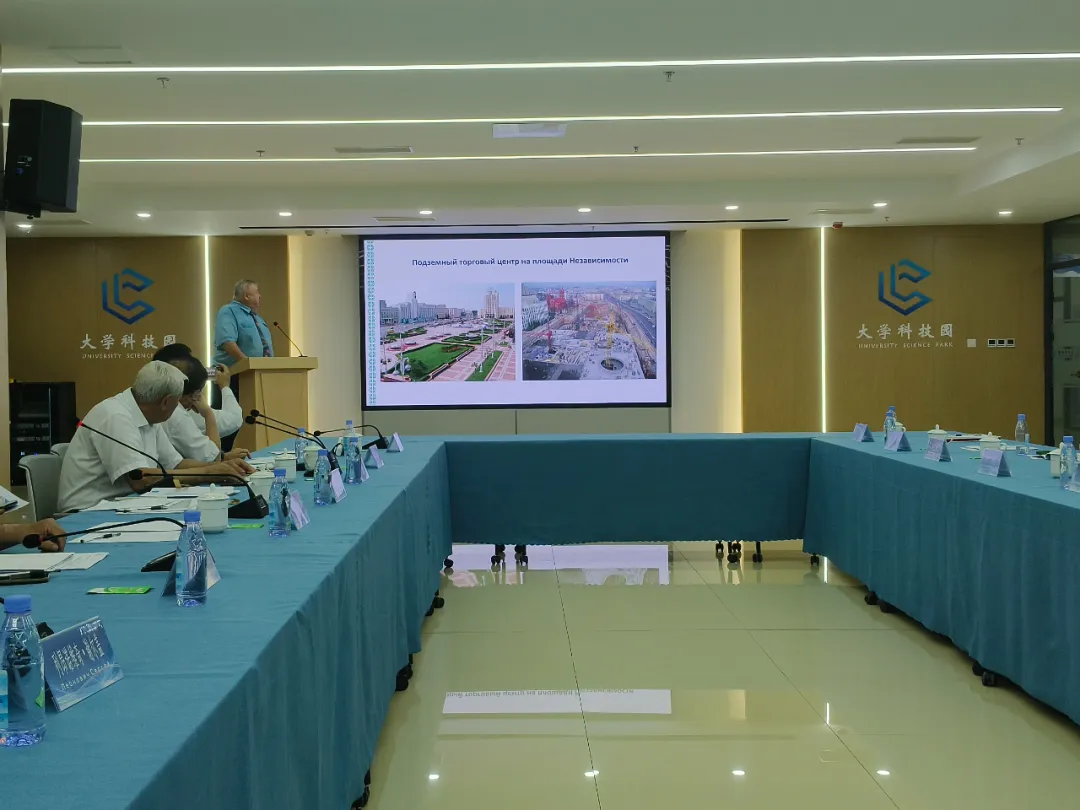
Nobot was invited to attend the Belt and Road International Exchange Conference
On July 28, 2024, the 2024 Liaocheng "Belt and Road" International Exchange Conference and the Unveiling Ceremony of the Central Asia International High-end Talent Joint Training Base were held in the Liaocheng High-tech Zone University Science and Technology Park. Professor Tursunbayev Zaporotot, President of Osh Technological University of the Kyrgyz Republic and corresponding academician of the Kyrgyz Academy of Engineering, and Academician Smaylor Erta of the Kyrgyz Academy of Engineering and the Russian Academy of Natural Sciences, among other experts and scholars from "Belt and Road" countries, participated in the event. Liaocheng Deputy Mayor Wang Gang and Zhang Ya, Party Secretary and Director of the Management Committee of the High-tech Zone, attended the event and delivered speeches.
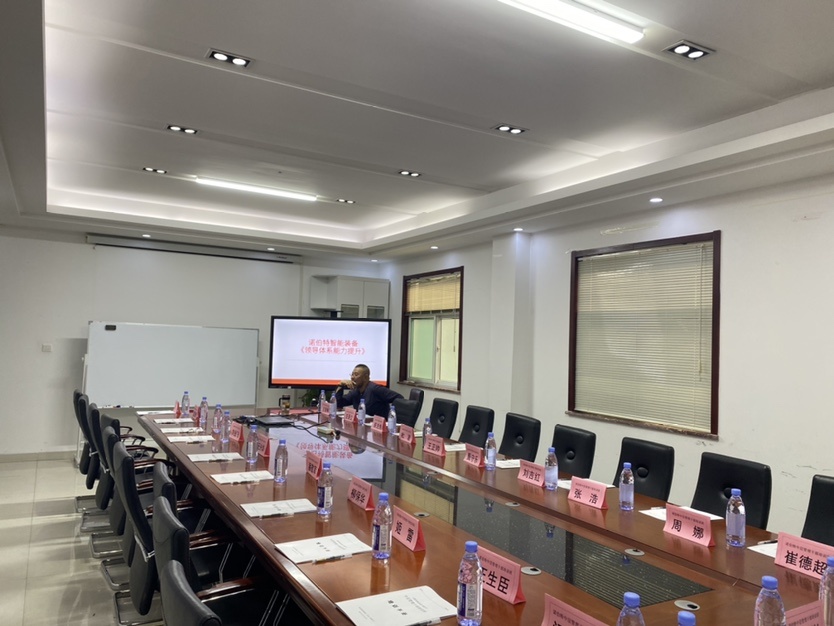
This training event not only provided a valuable learning opportunity for company managers and key personnel, but also built a platform for communication and sharing. During the training, everyone actively interacted and discussed enthusiastically, exploring effective ways to improve management capabilities together. Through this training, everyone has gained rich knowledge and skills, but more importantly, it has inspired confidence and motivation for the future.
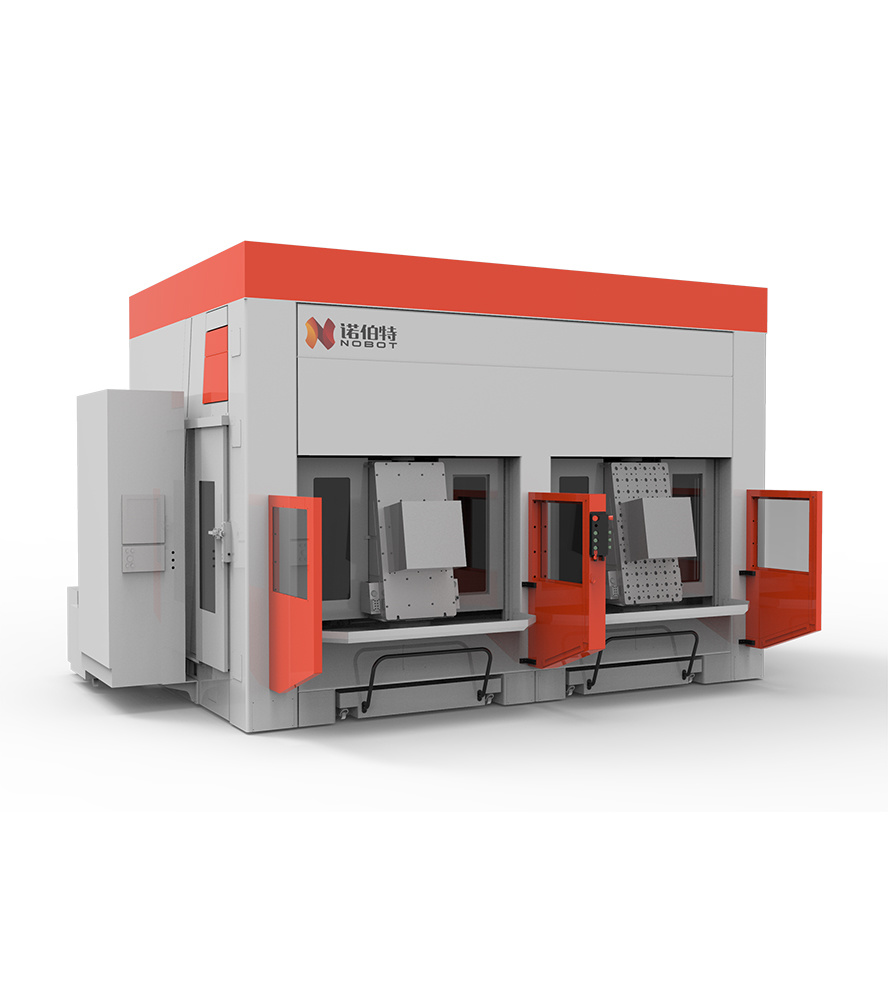
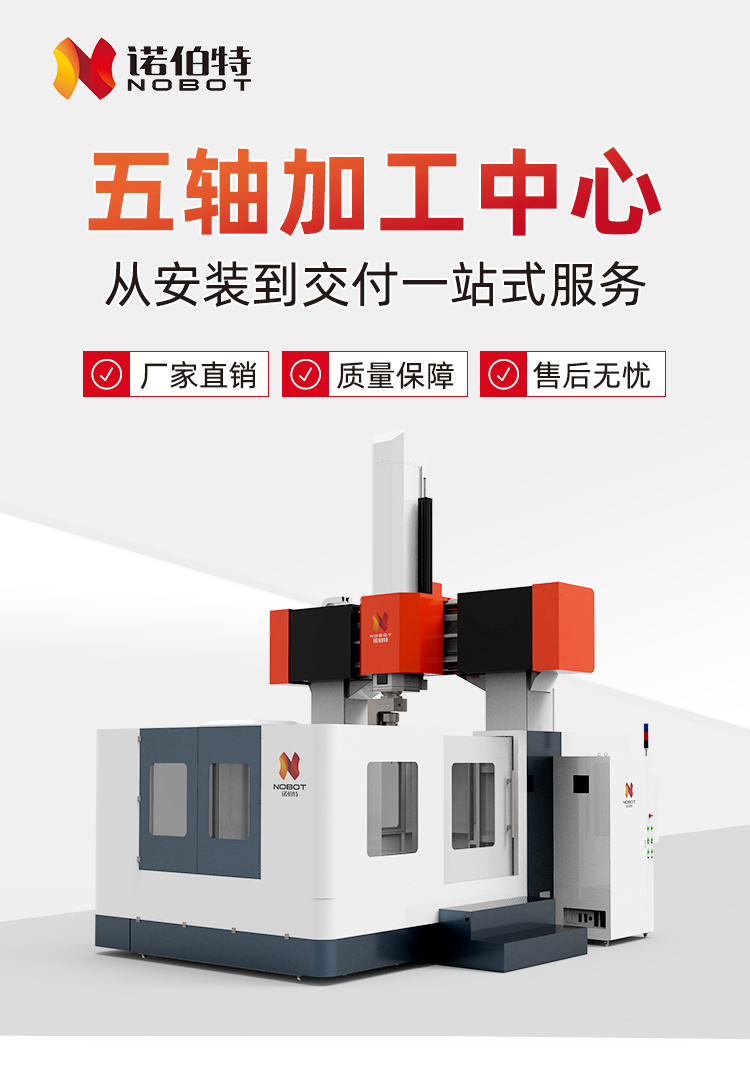
How to use a five-axis machining center efficiently? Today, let's learn a few practical steps!
When using a five-axis machining center, the equipment must first be adjusted to ensure that the workpiece and fixture dimensions precisely match, and that the zero points of each axis are accurately adjusted.
Why do composite materials require 5-axis CNC machining?
Composite materials are widely used in various fields such as aerospace, automotive, construction, energy, energy storage, infrastructure, marine, pipelines and tanks, sports and entertainment, and transportation due to their light weight, high fatigue resistance, and strong fracture resistance. Among them, aerospace and automotive industries are the largest application markets for composite materials. Five-axis CNC plays an important role in the processing of composite materials. Why do composite materials need to be processed using five-axis CNC?
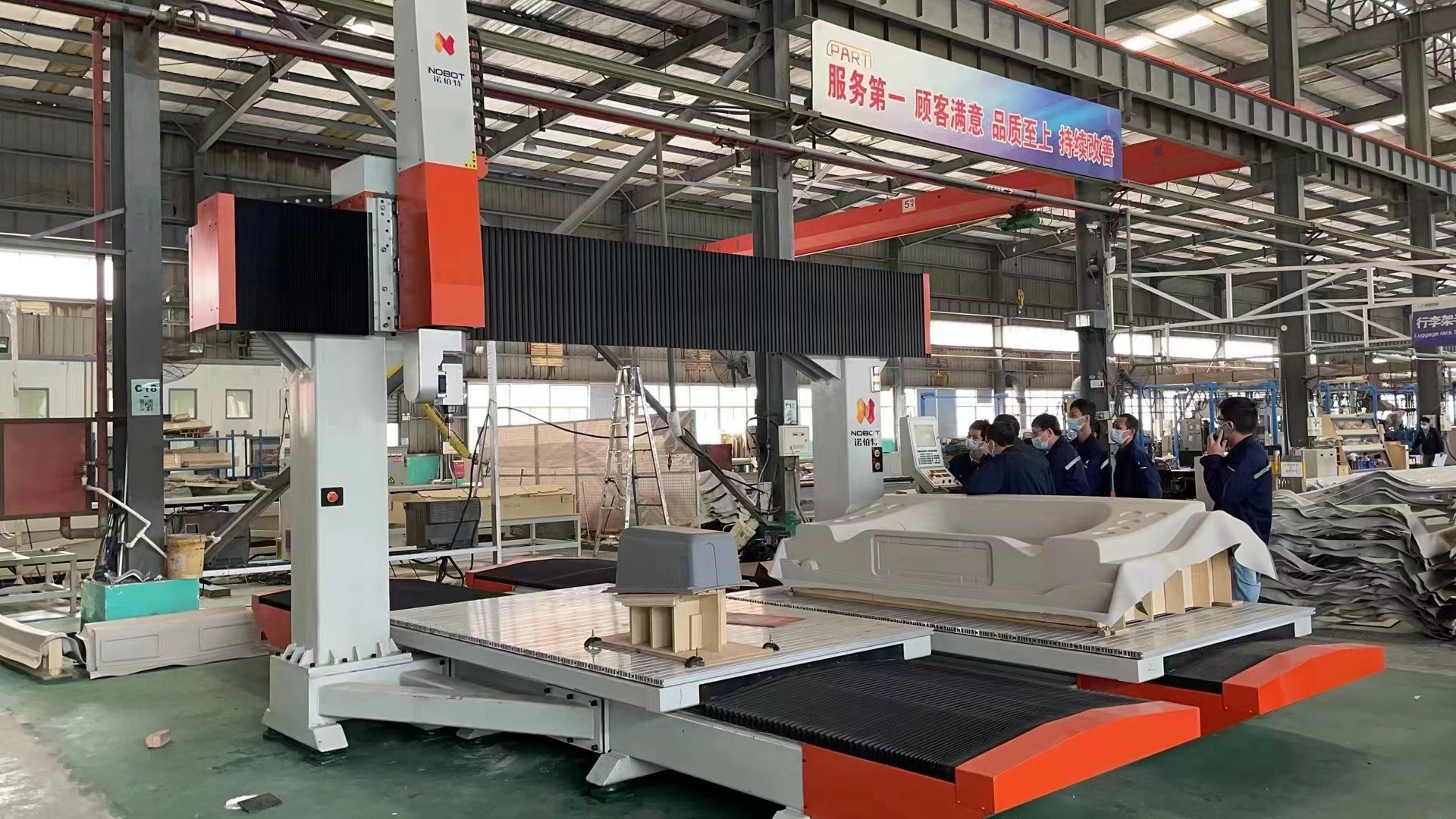
Dual-station five-axis machines offer several significant advantages. First, while one station is being machined, the other can be used for material loading and unloading, ensuring continuous, non-stop machining and significantly improving production efficiency. Second, the dual-station design makes operation more convenient and reduces waiting time. However, dual-station five-axis machines typically cost more than single-station machines and may require more operating and maintenance space.
Nobot Intelligent Equipment Group Co., Ltd.
Pre-sales consultation:86-635-2932233
Fax:86-635-2945333
After-sales consultation:86-635-5086881 / 86-635-2936881
National unified service hotline:86-400-823-3356
Email:nuobote@nobot.cc
Address: No. 1 Plant, No. 88 Huanghe Road, Gaoxin District, Liaocheng City, Shandong Province

copyright © 2025 Nobot Intelligent Equipment Group Co., Ltd.