

-
-
-
Application

-
-
-
-
Service
120 Chinese companies are on the list of the world's top 500, with 10% entering the robotics industry
Published Time:
Apr 20,2019
Nearly 10% of the world's top 500 companies in China are entering the robotics industry. Does this indicate a bright future for robotics? Many foreign companies are also optimistic about the future of the robotics industry! Companies entering the robotics industry include Toyota, Apple, Samsung Electronics, Amazon, Honda, General Electric, Schneider Electric, ABB, Toshiba, Mitsubishi Electric, Canon, Goldman Sachs, Hanwha Group, LG Electronics, Intel, Panasonic, Sony, SoftBank Group, Hitachi, Bosch Group, and Siemens.
The Nikkei Shimbun uses the example of "small robots" in Guangdong Province to illustrate that "in the Guangdong robot market, not only are there large manufacturers from Japan and Europe, but also forty to fifty Chinese local companies competing for market share." This shows that China is one of the most competitive markets for robots.
However, the fierce competition has not deterred the enthusiasm of large enterprises from entering the market. Let's take a look at which of the 2018 Fortune Global 500 Chinese companies have entered the robot industry.
10% of the 120 Chinese companies on the Fortune Global 500 list are involved in the robotics industry.
In July 2018, the Fortune Global 500 list was released, with 120 Chinese companies making the list, close to the 126 from the United States, ranking second and far exceeding the 52 from Japan, which is more than double the number. Of those 120 companies, how many are involved in robotics?
1. Hon Hai Precision Industry Co., Ltd.: Ranked 24th - Lights-Out Factory
Although Foxconn's "million robot plan" has not been achieved, producing thousands of units per month is not a problem.
In February of this year, Foxconn had already deployed 60,000 robots (magnetic navigation AGV, six-axis, parallel, SCARA) in its Chinese manufacturing base.
From 2015 to 2017, the sales revenue of Industrial Fulian's precision tools and industrial robots was 934 million yuan, 651 million yuan, and 966 million yuan respectively. Foxconn executives publicly stated that industrial data acquisition and the transfer of human experience are the biggest challenges.
2. Huawei Investment Holding Co., Ltd.: Ranked 72nd - 5G
In addition to its own needs for robots, Huawei focuses more on the upstream areas of the robot industry, such as 5G communication, and has begun to lay out in the AGV robot field. As early as 2017, Huawei collaborated with KUKA to showcase a 5G industrial robot.
3. JD.com Group: Ranked 181st - Mobile Robots
The "X Business Unit," which evolved from the "JD Logistics Laboratory," focuses on the application of robots in logistics, such as delivery robots, AGVs, delta picking robots, and inspection robots. In addition, JD.com has also collaborated with well-known domestic robot companies such as Newshida, EFT, and CASIA on robot-related projects.
4. Alibaba Group: Ranked 300th - Service Robots, AGVs
Alibaba AI Labs recently launched the "Tmall Genie Space Capsule" and "Tmall Genie Space Shuttle." The former is a hotel butler, while the latter focuses on specialized service industries such as hospitals. Both robots focus on human-computer interaction.
AGVs are also an important area for Alibaba. Cainiao Network invested 500 million yuan in Quicktron intelligent warehouse robots in March 2017.
5. Midea Group Co., Ltd.: Ranked 323rd - Acquisition of KUKA, Construction of Robot Base
Midea may be one of the Fortune Global 500 companies that has invested most deeply in the industrial robot field. It acquired 94.55% of KUKA's shares for 29.2 billion yuan and plans to build a 1,200-mu "Midea KUKA Intelligent Manufacturing Industrial Base" in Shunde, with an expected production capacity of 75,000 units by 2024.
6. Tencent Holdings Limited: Ranked 331st - AI Solutions
In fact, as early as March 15th of this year, Tencent announced the establishment of the robotics laboratory "Robotic X," which, along with AI Lab, serves as a dual foundation for Tencent's AI industry.
On September 27th, Tencent Dingdang and UBTECH Robotics collaborated to launch the intelligent portable robot Wukong, which focuses on interaction and has functions such as object recognition, picture book recognition, voice interaction, expression system, machine control, sensor control, and facial recognition.
7. Country Garden Holdings Co., Ltd.: Ranked 353rd - 80 billion yuan, Bozhilin Robotics
Country Garden plans to invest at least 80 billion yuan in the robotics field within five years and has signed an agreement to build a 10-square-kilometer robot valley in Shunde. Its wholly-owned subsidiary, "Guangdong Bozhilin Robotics," plans to attract 10,000 top global robotics experts and researchers. The plan covers areas such as "construction, decoration, robot restaurants, smart homes, modern agriculture, and healthcare."
8. China Electronics Information Industry Group Co., Ltd.: Ranked 369th - Panda Electronics Equipment
Nanjing Panda Electronics Equipment Co., Ltd. is a subsidiary of Nanjing Panda Electronics Co., Ltd., which in turn is a subsidiary of China Electronics Information Industry Group Co., Ltd. It is involved in both industrial and service robots and has applications in 3C, education, military industry, new energy, logistics and warehousing, engineering machinery, and pharmaceuticals. In 2017, Panda's robot and smart factory business orders totaled approximately 2 billion yuan.
9. Suning Tesco Group: Ranked 427th - AGV Robots
Suning itself is actively transforming its logistics and warehousing sector. It can be said that Suning is definitely among the top five automated logistics bases in China. Suning, which holds high the banner of technology, has taken the lead in creating an "army of unmanned vehicles" - drones, AGV robots, unmanned heavy trucks, and unmanned vehicles, although these products mainly supply domestic demand.
10. Shougang Group: Ranked 431st - Cooperation with Yaskawa, System Integrator
Shougang and Japan's Yaskawa Electric Corporation jointly invested in the establishment of "Yaskawa Shougang Robotics Co., Ltd.," which specializes in industrial robot sales, system design, and after-sales service. It is a leader in the application integration technology of robot welding systems for auto parts and has a high market share in China.
11. Qingdao Haier: Ranked 499th - Service Robots
On March 6th, Haier announced its service robot strategy for ordinary families, officially entering the service robot field. It also cooperated with SoftBank to introduce SoftBank's "Pepper" to the Chinese market. Currently, Haier has developed and launched related products such as sweeping robots and educational robots.
Nearly 10% of the Fortune Global 500 companies in China are entering the robotics industry. Does this indicate a bright future for robots? Many foreign companies are also optimistic about the future of the robotics industry! Companies entering the robotics industry include Toyota, Apple, Samsung Electronics, Amazon, Honda, General Electric, Schneider Electric, ABB, Toshiba, Mitsubishi Electric, Canon, Goldman Sachs, Hanwha Group, LG Electronics, Intel, Panasonic, Sony, SoftBank Group, Hitachi, Bosch Group, and Siemens.
According to IDC's "Worldwide Commercial Robotics Spending Guide," the Chinese robot market will reach US$74.6 billion in 2021. Reference News also points out that China will account for 40% of the world's industrial robot sales in 2020. The Chinese market has a strong demand for robots, and it is believed that more and more Fortune Global 500 companies will join in, beyond those mentioned above!
BLOGS
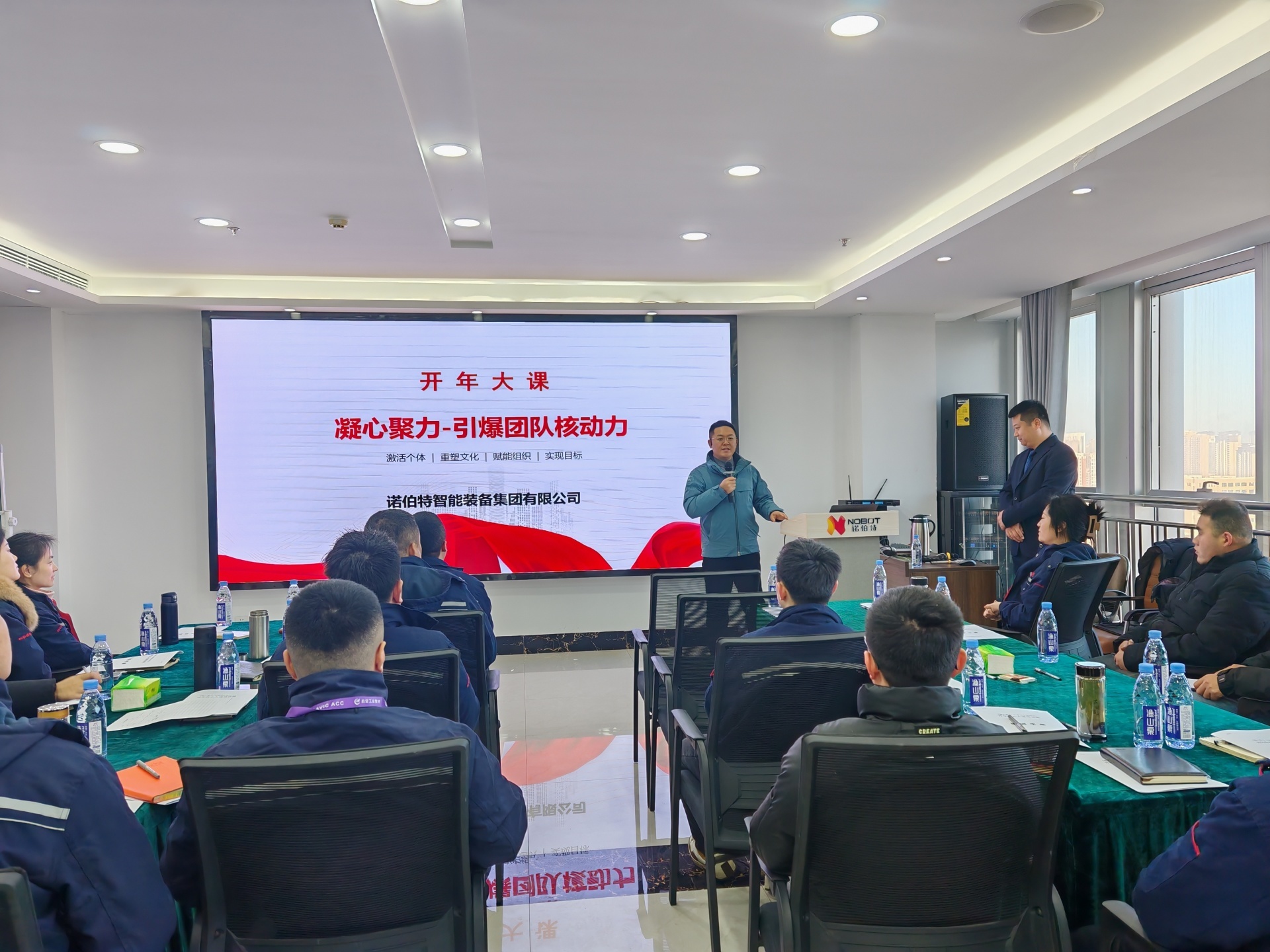
Nobot Group's 2025 Kick-off Event: A Team Building Activity Focused on Unity and Power
This opening ceremony was both a knowledge-boosting session, allowing employees to continuously grow through learning, and a team-building event, bringing everyone closer together. It impressed upon each employee that in today's increasingly competitive market, only by continuously learning new knowledge, daring to innovate, and maintaining teamwork can we remain undefeated. With the collective efforts of all employees, Nobot will surely ride the waves and achieve even greater success on this new journey, steadily advancing towards higher goals!
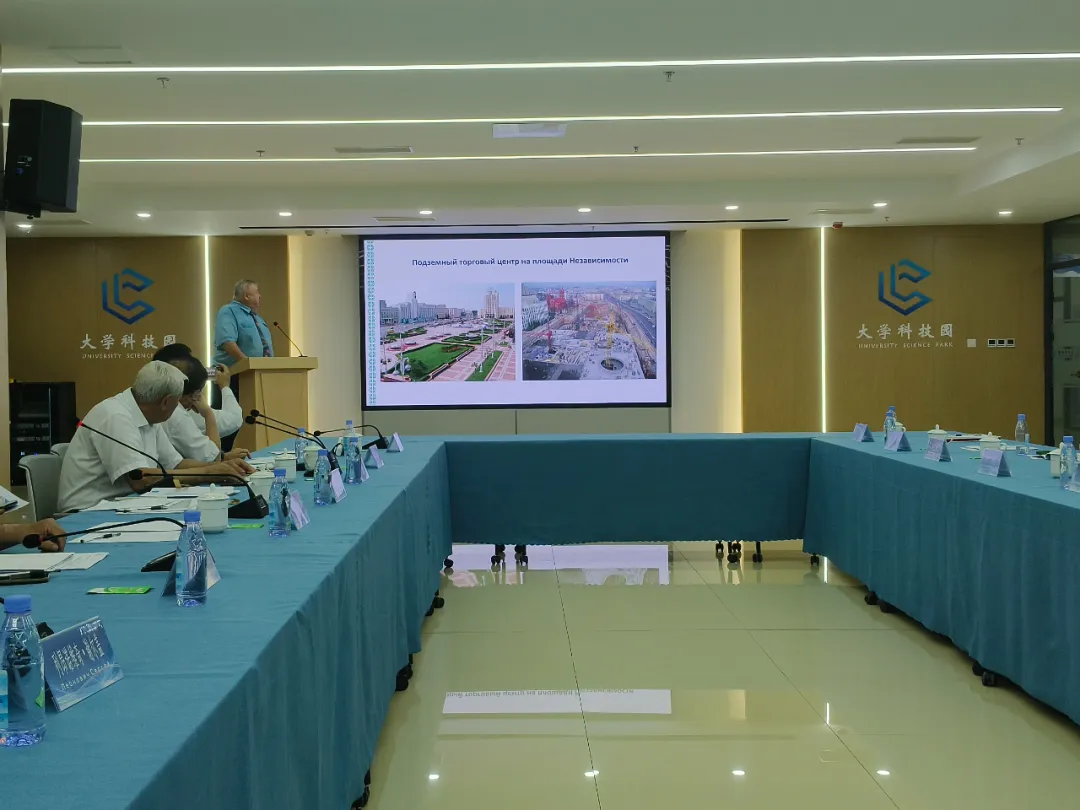
Nobot was invited to attend the Belt and Road International Exchange Conference
On July 28, 2024, the 2024 Liaocheng "Belt and Road" International Exchange Conference and the Unveiling Ceremony of the Central Asia International High-end Talent Joint Training Base were held in the Liaocheng High-tech Zone University Science and Technology Park. Professor Tursunbayev Zaporotot, President of Osh Technological University of the Kyrgyz Republic and corresponding academician of the Kyrgyz Academy of Engineering, and Academician Smaylor Erta of the Kyrgyz Academy of Engineering and the Russian Academy of Natural Sciences, among other experts and scholars from "Belt and Road" countries, participated in the event. Liaocheng Deputy Mayor Wang Gang and Zhang Ya, Party Secretary and Director of the Management Committee of the High-tech Zone, attended the event and delivered speeches.
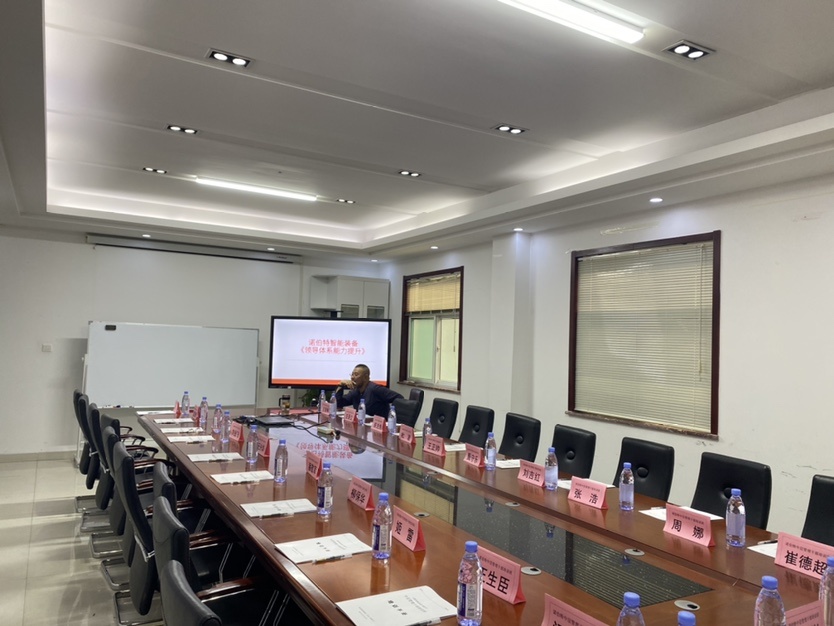
This training event not only provided a valuable learning opportunity for company managers and key personnel, but also built a platform for communication and sharing. During the training, everyone actively interacted and discussed enthusiastically, exploring effective ways to improve management capabilities together. Through this training, everyone has gained rich knowledge and skills, but more importantly, it has inspired confidence and motivation for the future.
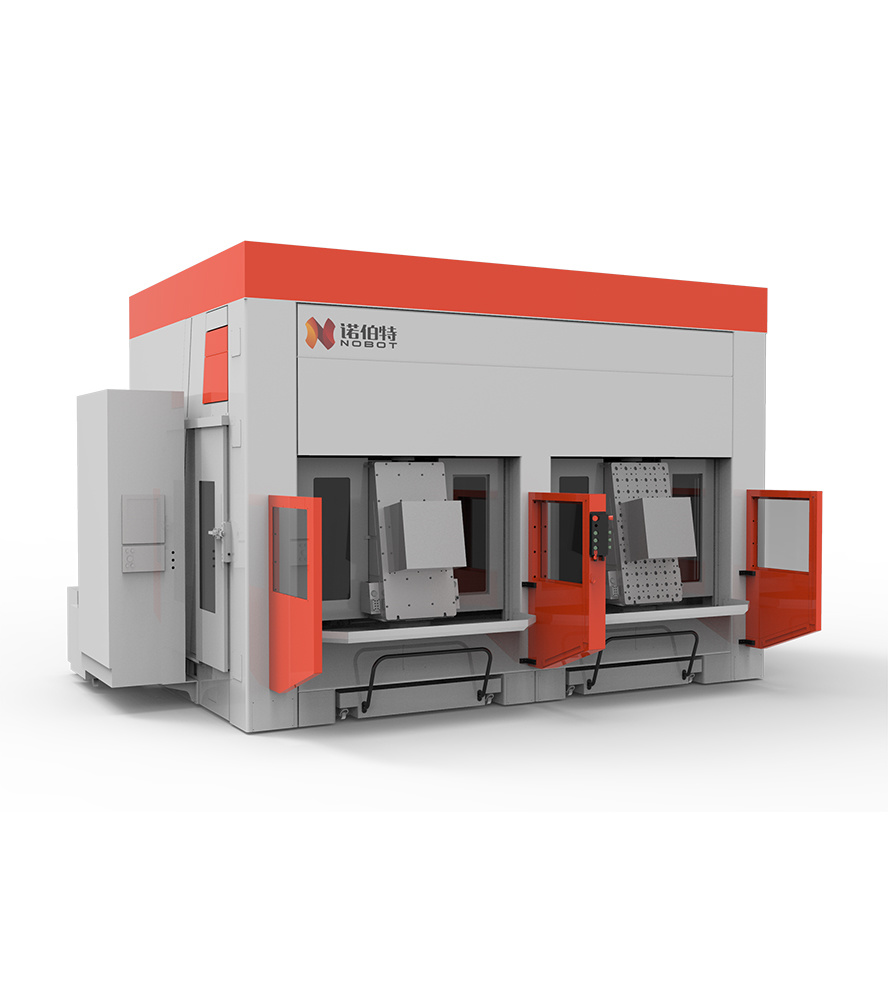
How to use a five-axis machining center efficiently? Today, let's learn a few practical steps!
When using a five-axis machining center, the equipment must first be adjusted to ensure that the workpiece and fixture dimensions precisely match, and that the zero points of each axis are accurately adjusted.
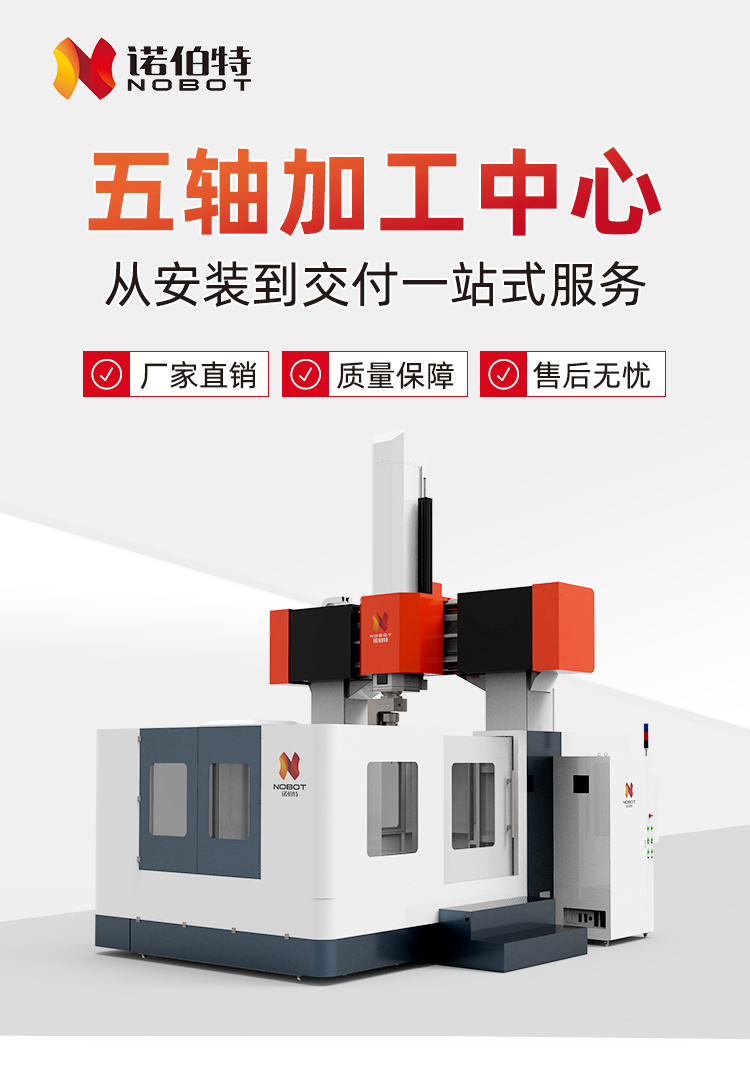
Why do composite materials require 5-axis CNC machining?
Composite materials are widely used in various fields such as aerospace, automotive, construction, energy, energy storage, infrastructure, marine, pipelines and tanks, sports and entertainment, and transportation due to their light weight, high fatigue resistance, and strong fracture resistance. Among them, aerospace and automotive industries are the largest application markets for composite materials. Five-axis CNC plays an important role in the processing of composite materials. Why do composite materials need to be processed using five-axis CNC?
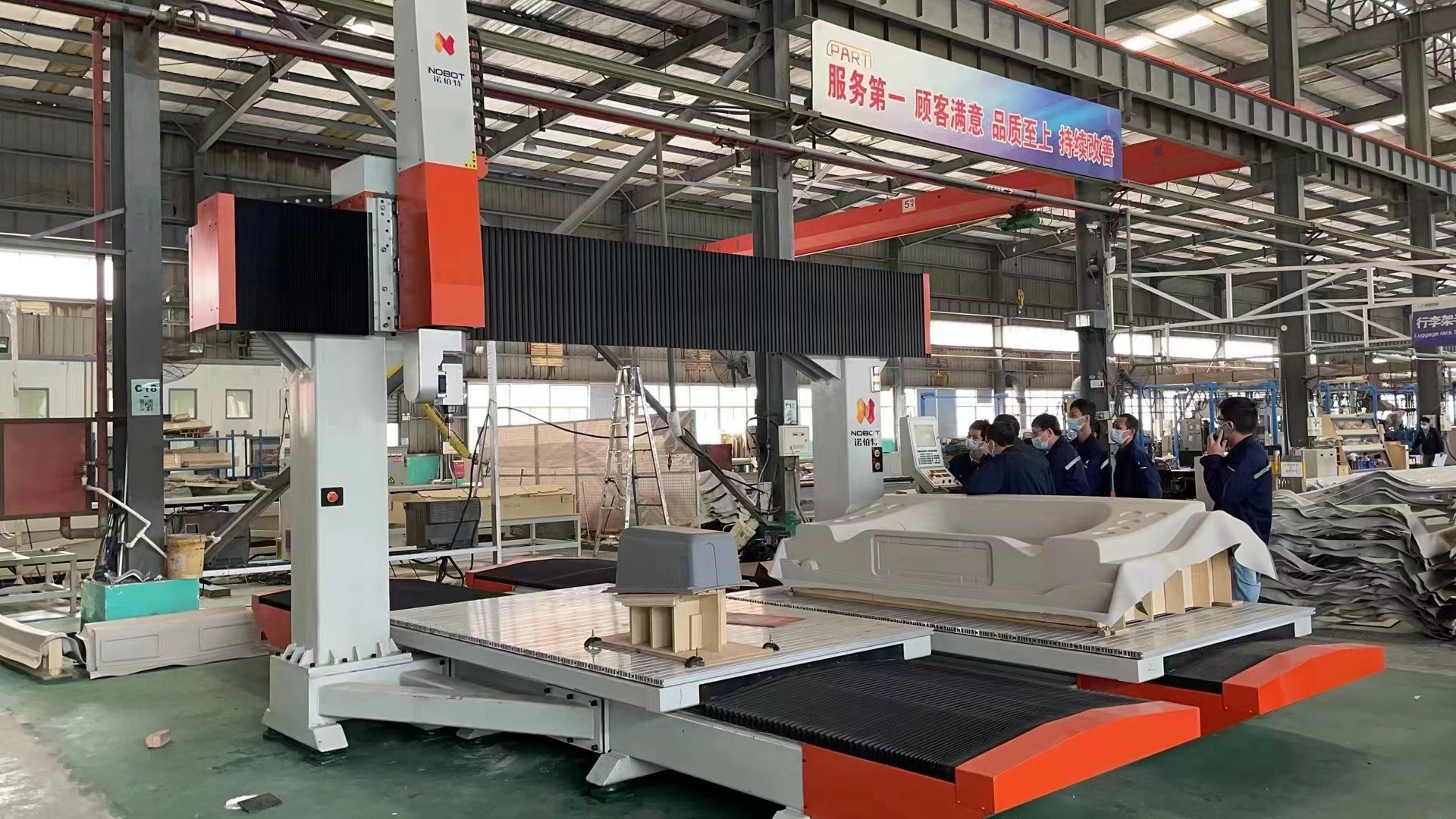
Dual-station five-axis machines offer several significant advantages. First, while one station is being machined, the other can be used for material loading and unloading, ensuring continuous, non-stop machining and significantly improving production efficiency. Second, the dual-station design makes operation more convenient and reduces waiting time. However, dual-station five-axis machines typically cost more than single-station machines and may require more operating and maintenance space.
Nobot Intelligent Equipment Group Co., Ltd.
Pre-sales consultation:86-635-2932233
Fax:86-635-2945333
After-sales consultation:86-635-5086881 / 86-635-2936881
National unified service hotline:86-400-823-3356
Email:nuobote@nobot.cc
Address: No. 1 Plant, No. 88 Huanghe Road, Gaoxin District, Liaocheng City, Shandong Province

copyright © 2025 Nobot Intelligent Equipment Group Co., Ltd.