

-
-
-
Application

-
-
-
-
Service
ABB Group CEO Björn Rosengren: There is still room for growth in China's industrial robot market, with more industries showing a need for automation
Published Time:
Mar 28,2019
For the past few years, China has continuously been the world's largest market for industrial robots. Spiff believes that considering China's robot density is still behind many developed countries, there is still a lot of room for growth in the Chinese market. In 2018, ABB achieved double-digit growth in China.

ABB Group CEO Ulrich Spiesshofer (online image)
On March 24, Ulrich Spiesshofer, Chairman and CEO of ABB Group, Switzerland, accepted a written interview with the 21st Century Business Herald during the China Development High-Level Forum in Beijing. In the interview, he stated that although the global manufacturing growth rate slowed down last year, the benefits brought by robots are still obvious, and the prospects for the global industrial robot industry remain bright in the next few years.
In the past few years, China has continuously been the world's largest market for industrial robots. Spiesshofer believes that considering China's robot density is still behind many developed countries, the Chinese market still has great growth potential. In 2018, ABB achieved double-digit growth in China.
Positive Long-Term Prospects for Industrial Robots
21st Century: What is your outlook on the global industrial robot market in the next few years?
Spiesshofer: I think the long-term prospects are very positive. Over the past three years, the robot market has grown by 12%-15% annually, and the growth of ABB robots reflects the health of this market. In 2018, ABB's orders and sales revenue grew strongly, with total orders increasing by 8% year-on-year and sales revenue increasing by 4% year-on-year to US$27.662 billion. The Robotics & Motion and Industrial Automation divisions made significant contributions.
All the fundamental factors driving robot investment remain in place—the need for greater flexibility and agility for mass customization, labor shortages due to aging populations, and increased awareness of the importance of collaborative automation. Robot investment will continue in traditional sectors such as automotive, particularly driven by the automation of new electric vehicles. It is expected that over 1.6 million new industrial robots will be installed in factories worldwide between 2019 and 2021.

Nobot Intelligent Equipment (Shandong) Co., Ltd. is a gold value provider for ABB robots in China
21st Century: Which industries will grow fastest for industrial robots in the future?
Spiesshofer: We believe that automotive, 3C, metal, and food and beverage are the main end markets, and growth opportunities will emerge in the service industry (logistics/warehousing), SMEs, and (non-surgical) hospital robotics. Demand from the automotive industry is particularly strong, with automakers seeking robotic solutions for both internal combustion engine and electric vehicle assembly lines. ABB has achieved significant success in the Chinese electric vehicle market.
21st Century: What factors have driven the rapid growth of industrial robots?
Spiesshofer: First, the mass customization production method is shifting towards high-mix, low-volume, and short-cycle production, which requires increased manufacturing flexibility and the introduction of a wider range of new products. Second, changes in the workforce. For example, many countries are experiencing aging populations and labor shortages, making it difficult to find people willing to do dangerous, boring, dirty, or delicate work. Third, in the past, robots mainly assisted large industrial customers, but technological advancements have enabled robots to reach new industries and users, especially the small and medium-sized enterprise market. Fourth, the development of new technologies supporting collaboration means that operators can work alongside robots without extensive safety measures. This helps reduce installation costs and overall footprint, making it ideal for laboratories and other space-constrained locations while maximizing production line flexibility and efficiency.
Advantages of "Complete Solutions"
21st Century: Global manufacturing growth slowed slightly in 2018 and is expected to remain moderate this year. What impact will this have on the demand for industrial robots?
Spiesshofer: Even with a slowdown in manufacturing growth, the benefits of robots will continue to drive investment. For the traditional automotive and electronics industries, 2018 was a slower cycle, but the use of robots in light industries such as food and beverage and consumer goods increased.
ABB focuses on pre-configured solutions, adding digital and application-specific features, a new modular approach, rather than "bare robots." ABB is focusing on attractive growth areas such as professional service robots, food and beverage, plastics and rubber, which offset the slowdown in automotive and electronics growth in 2018.
21st Century: In the future, will the four major robot families continue to expand their leading edge, or will they face challenges from smaller companies?
Spiesshofer: The strong growth potential of the robotics industry will attract both traditional competitors and newcomers. This is healthy for competition and innovation, and it benefits customers. What sets ABB apart from competitors is that ABB is not just a robotics company . For robot customers, it's the entire application that matters, not the isolated robot. We offer one-stop service, from robots and software to complete applications and production lines.
Large Potential in the Chinese Market
21st Century: China has been the world's largest market for industrial robots for many years. Is there still room for growth? What are the unique characteristics of the Chinese market?
Spiesshofer: I believe there is still room for growth in China. According to the 2018 IFR report, South Korea's robot density is 710, Singapore 658, Germany 322, Japan 308, the United States 200, while China is only 97 (the global average is 85). Therefore, China still has great development potential.
The Chinese market has the following characteristics: The Chinese market is changing rapidly. In the past, most automation needs came from the automotive industry. Today, more and more needs come from 3C, food and beverage, pharmaceuticals, and logistics. Customers need to automate entirely new processes, and each application is unique, so close collaboration is needed to jointly develop solutions, as we cannot simply replicate past solutions. This is especially true for 3C and logistics, where there are many novel applications.
Double-Digit Growth in China Last Year
21st Century: Last year, ABB announced a RMB 1 billion investment in Shanghai to build a "future factory." Why did ABB decide to continue expanding in China during a time of relatively tense global trade relations?
Spiesshofer: The reason is simple—we are confident in the Chinese market. Building an advanced robotics factory in Shanghai reflects our optimism about the Chinese and Asian robotics markets—in 2017, two out of every three robots in the world were sold in Asia.
I believe that free trade is beneficial for conducting business, and ABB's role is as a technology driver. We comply with the existing laws, regulations, and policies of each country and help our customers derive value from the energy revolution and the Fourth Industrial Revolution. The more open the borders, the better we can serve our customers with competitive and pioneering technological solutions.
21st Century: Are you satisfied with the market position, revenue growth, and profitability of your China business? What is your vision for the Chinese market?
Spiesshofer: China is ABB's second largest market and an important global R&D and manufacturing base. ABB has a full range of business activities in China, including R&D, manufacturing, sales, and engineering services, with 40 local companies and 18,000 employees across 142 cities. Online and offline channels cover more than 300 cities nationwide. In 2018, ABB achieved double-digit growth in China.
To better support China's development, we introduced ABB Ability digital solutions and services to the Chinese market in 2017. This helps customers in the power, industrial, transportation, and infrastructure sectors leverage the value of big data to improve productivity, achieve groundbreaking innovation, and enhance core competitiveness. Since the launch of ABB Ability, our digital business in China has doubled. ABB is committed to being a long-term preferred partner in the Chinese market, working closely with local customers and partners to seize new opportunities brought about by digitalization and drive win-win cooperation to create more value.
Source: 21st Century Business Herald
Follow Value Provider WeChat

To purchase ABB, please Contact Us
BLOGS
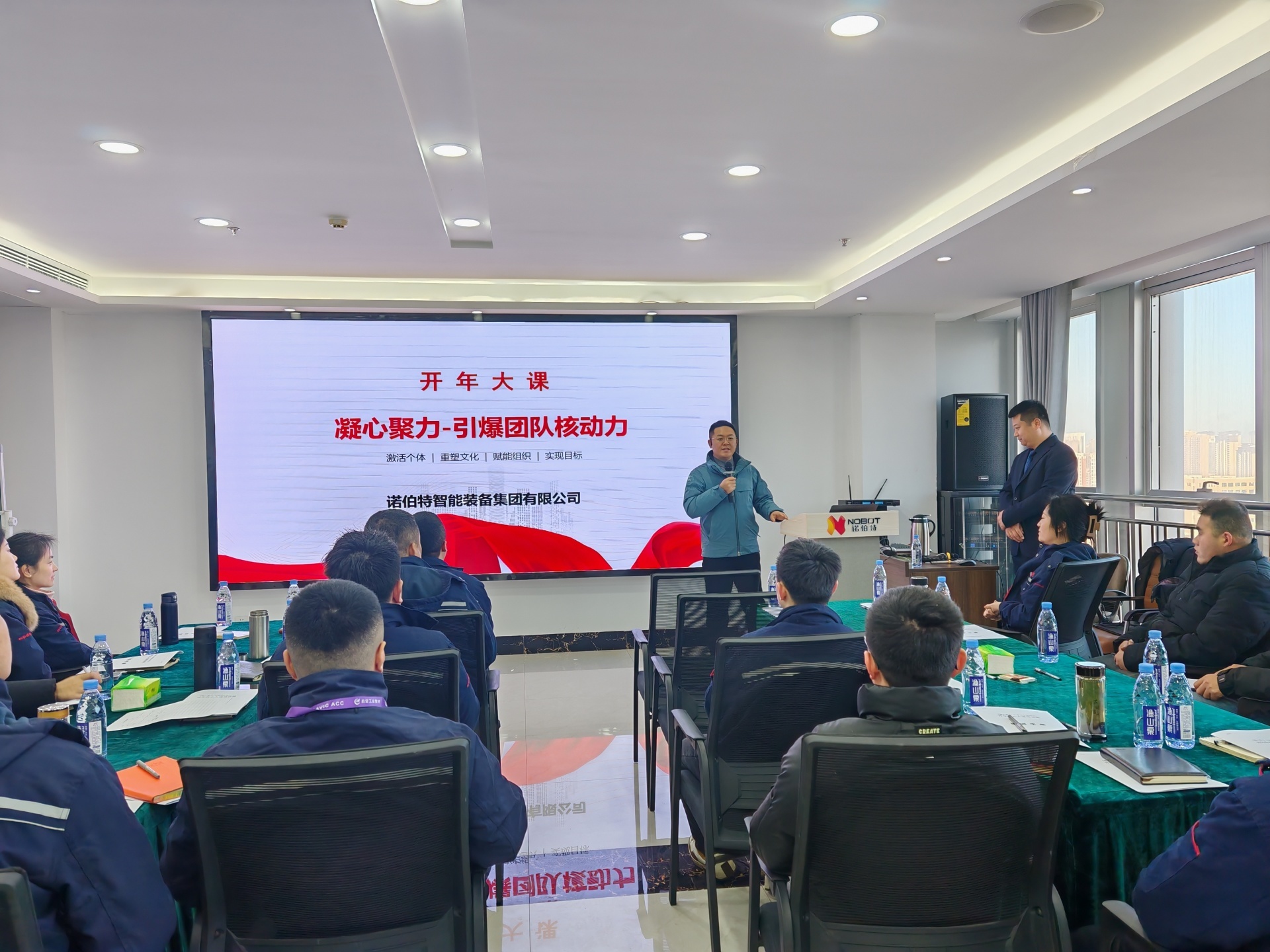
Nobot Group's 2025 Kick-off Event: A Team Building Activity Focused on Unity and Power
This opening ceremony was both a knowledge-boosting session, allowing employees to continuously grow through learning, and a team-building event, bringing everyone closer together. It impressed upon each employee that in today's increasingly competitive market, only by continuously learning new knowledge, daring to innovate, and maintaining teamwork can we remain undefeated. With the collective efforts of all employees, Nobot will surely ride the waves and achieve even greater success on this new journey, steadily advancing towards higher goals!
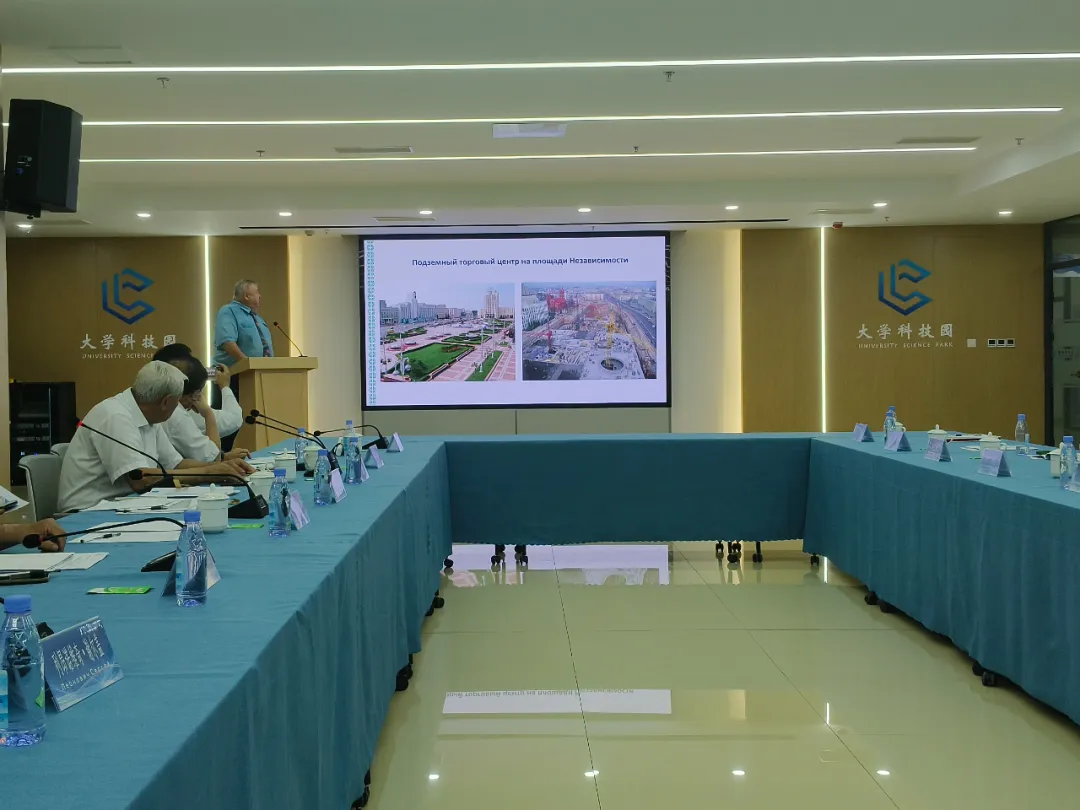
Nobot was invited to attend the Belt and Road International Exchange Conference
On July 28, 2024, the 2024 Liaocheng "Belt and Road" International Exchange Conference and the Unveiling Ceremony of the Central Asia International High-end Talent Joint Training Base were held in the Liaocheng High-tech Zone University Science and Technology Park. Professor Tursunbayev Zaporotot, President of Osh Technological University of the Kyrgyz Republic and corresponding academician of the Kyrgyz Academy of Engineering, and Academician Smaylor Erta of the Kyrgyz Academy of Engineering and the Russian Academy of Natural Sciences, among other experts and scholars from "Belt and Road" countries, participated in the event. Liaocheng Deputy Mayor Wang Gang and Zhang Ya, Party Secretary and Director of the Management Committee of the High-tech Zone, attended the event and delivered speeches.
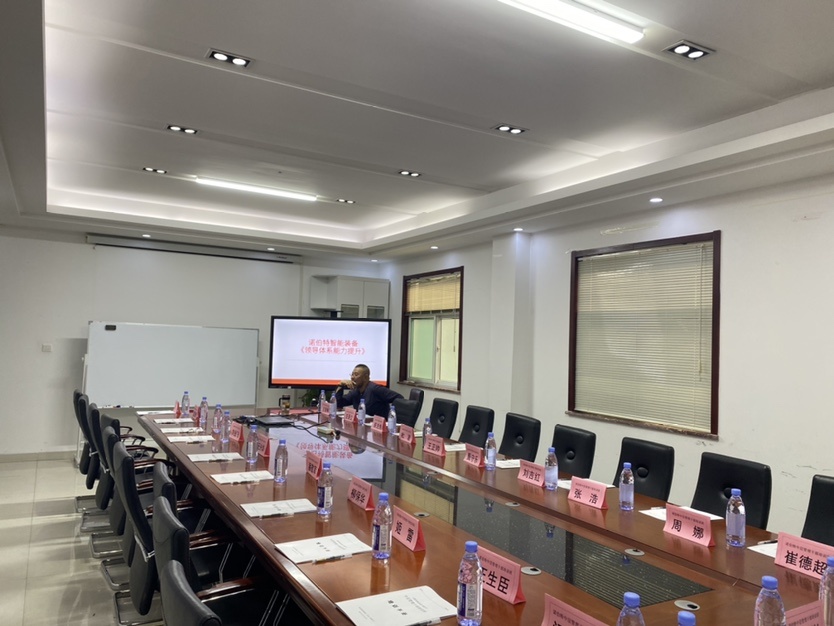
This training event not only provided a valuable learning opportunity for company managers and key personnel, but also built a platform for communication and sharing. During the training, everyone actively interacted and discussed enthusiastically, exploring effective ways to improve management capabilities together. Through this training, everyone has gained rich knowledge and skills, but more importantly, it has inspired confidence and motivation for the future.
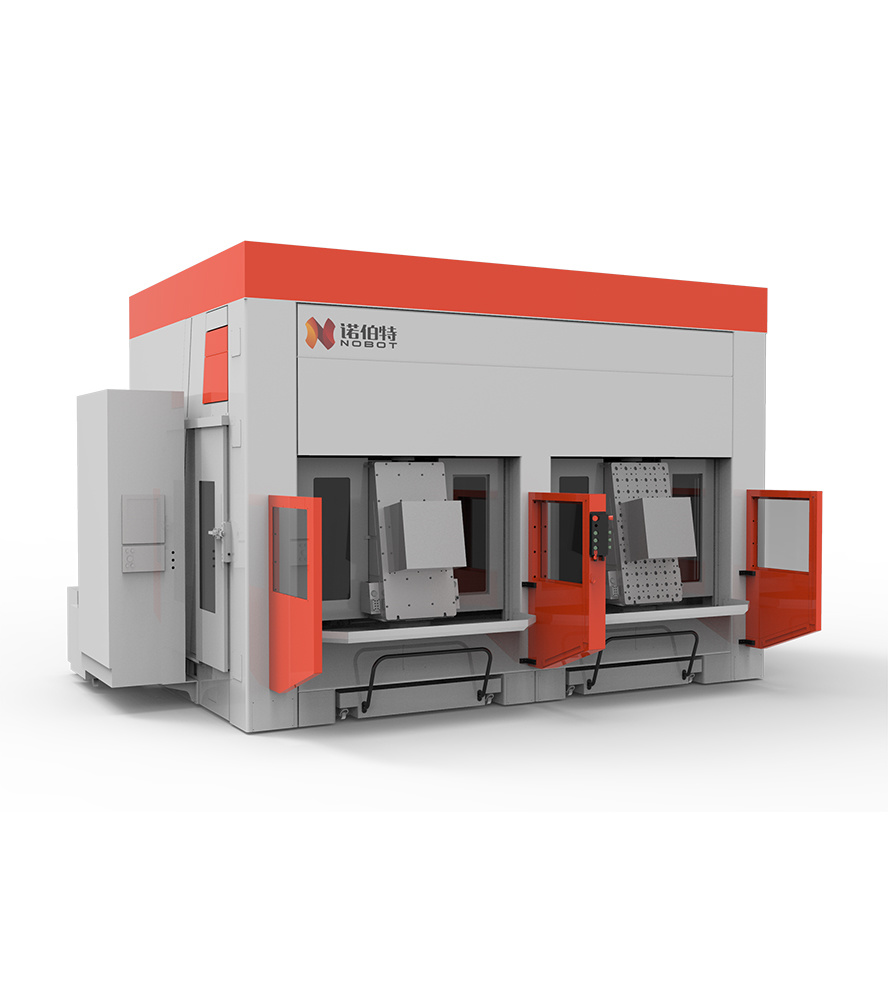
How to use a five-axis machining center efficiently? Today, let's learn a few practical steps!
When using a five-axis machining center, the equipment must first be adjusted to ensure that the workpiece and fixture dimensions precisely match, and that the zero points of each axis are accurately adjusted.
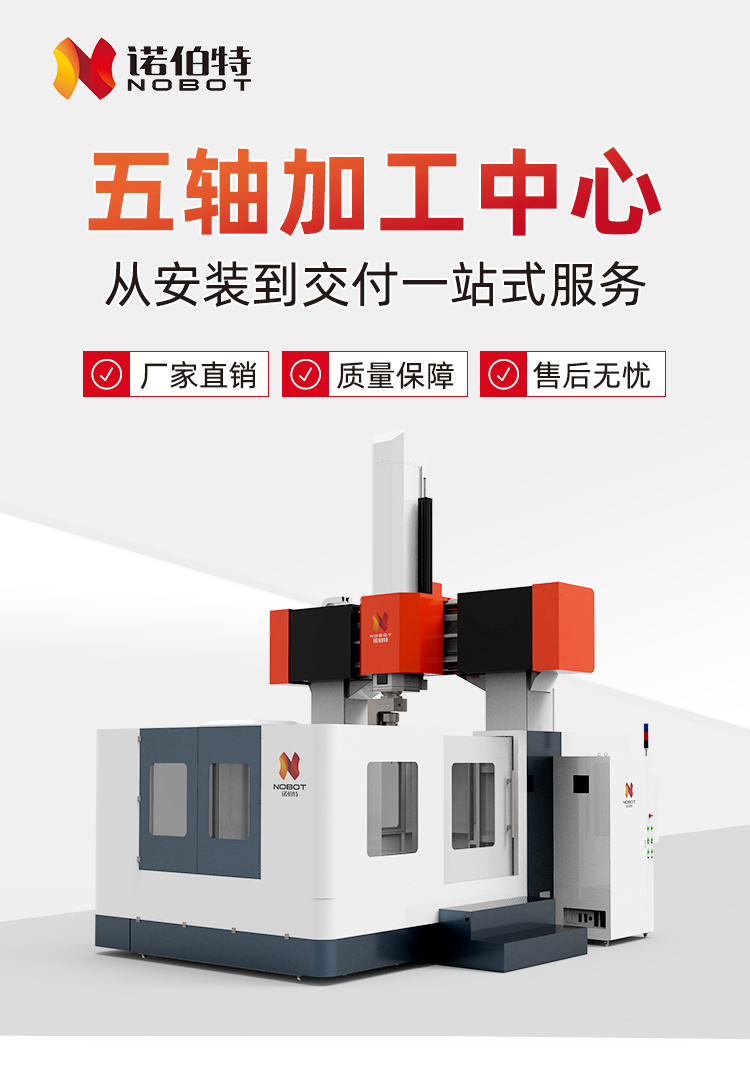
Why do composite materials require 5-axis CNC machining?
Composite materials are widely used in various fields such as aerospace, automotive, construction, energy, energy storage, infrastructure, marine, pipelines and tanks, sports and entertainment, and transportation due to their light weight, high fatigue resistance, and strong fracture resistance. Among them, aerospace and automotive industries are the largest application markets for composite materials. Five-axis CNC plays an important role in the processing of composite materials. Why do composite materials need to be processed using five-axis CNC?
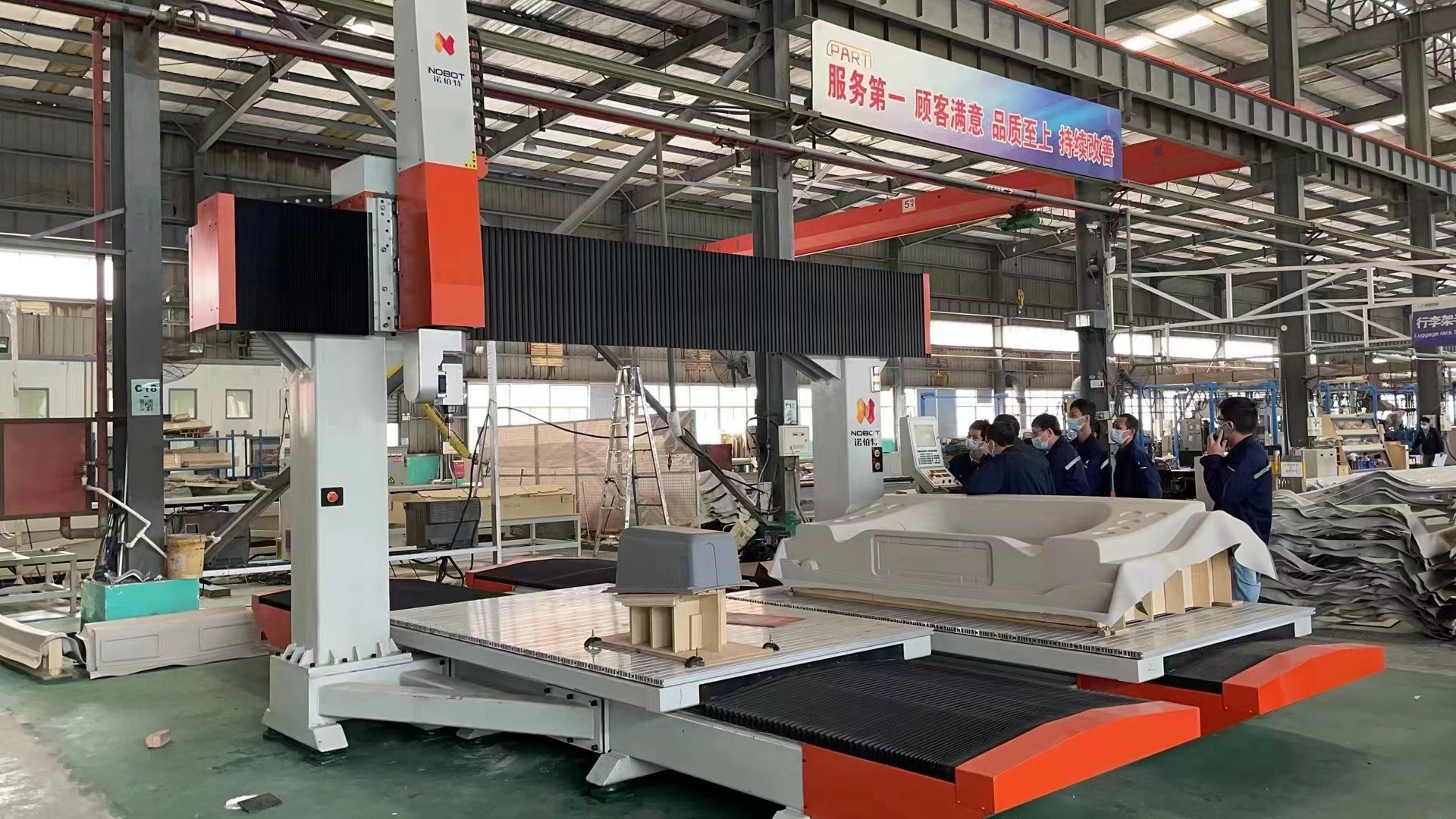
Dual-station five-axis machines offer several significant advantages. First, while one station is being machined, the other can be used for material loading and unloading, ensuring continuous, non-stop machining and significantly improving production efficiency. Second, the dual-station design makes operation more convenient and reduces waiting time. However, dual-station five-axis machines typically cost more than single-station machines and may require more operating and maintenance space.
Nobot Intelligent Equipment Group Co., Ltd.
Pre-sales consultation:86-635-2932233
Fax:86-635-2945333
After-sales consultation:86-635-5086881 / 86-635-2936881
National unified service hotline:86-400-823-3356
Email:nuobote@nobot.cc
Address: No. 1 Plant, No. 88 Huanghe Road, Gaoxin District, Liaocheng City, Shandong Province

copyright © 2025 Nobot Intelligent Equipment Group Co., Ltd.