

-
-
-
Application

-
-
-
-
Service
Advantages of five-axis machining centers in automotive mold processing
Published Time:
Dec 19,2018
Currently, ball-nose end mills are commonly used in mold machining. Although ball-nose end mills have obvious advantages in mold machining, their bottom surface speed is zero when used with a vertical machining center, and the surface finish is relatively poor. These shortcomings can be completely overcome by machining the mold using a five-axis machining center. Below, we will analyze the advantages of five-axis machining centers in mold machining and discuss their applications.
Five-axis machining is a very important part of CNC machining, and this technology has been widely used in the fields of shipbuilding, aerospace, automobiles, light industry, medical and other high-precision instrument manufacturing. With the improvement of China's manufacturing technology level, higher requirements are constantly put forward for mold part processing technology, and five-axis machining technology is also recognized by more mold processing enterprises. In traditional mold processing, three-axis machining centers and vertical machining centers are generally used to complete the milling processing of workpieces. With the continuous development of China's mold manufacturing and processing technology, some weaknesses of traditional vertical machining centers and three-axis machining centers have gradually emerged. At present, ball-end mills are commonly used in mold processing. Although the advantages of using ball-end mills in mold processing are obvious, if a vertical machining center is used, its bottom surface line speed is zero, and the surface finish is also poor. By using a five-axis machining center to process the mold, the above shortcomings can be completely overcome. Below, Xiaonuo will lead everyone Analysis Down The advantages of five-axis machining centers in mold processing, Let's discuss together the application of five-axis machining centers in Mold processing applications 。

Analyze the advantages of five-axis machining
In five-axis machining, using a flat-bottom end mill to maintain a vertical state on the complex surface of the mold being processed can significantly reduce processing time. The principle of five-axis machining centers is also applicable to side milling of surfaces with angles, eliminating the rib-like texture caused by ball-end milling, resulting in a more ideal mold surface quality and reducing the workload of manual milling and manual operations required to clean the mold surface.

Through five-axis machining technology, the problem of multiple debugging and clamping required for workpiece repositioning at complex angles is solved, not only shortening the time, but also greatly reducing the errors generated, saving the large amount of money spent on tooling fixtures required when installing workpieces, and the machine tool is also able to process complex parts, such as drilling, taper processing, cavity recesses, etc., required for complex surfaces, which are impossible to achieve with traditional methods.
The tools used in five-axis machining are shorter, and the entire part can be processed at once, without the need for repeated clamping or the use of longer tools required in similar three-axis machining, which can complete the mold making in a shorter time, and the surface quality of the parts is also better.
Analysis of the application of five-axis machining centers in automotive mold processing
Currently, the main design of auto parts uses CAD systems, and the design of parts is completed through reverse engineering and various experiments. The complex surfaces of molds are processed using CAM software. However, how to ensure the accuracy of design and processing depends on CNC machining. Next, let's analyze the relationship between the application of five-axis machining centers in mold processing and the quality of automotive molds.

Processing of deep cavity molds
In the process of automobile mold manufacturing, when processing deep cavity molds, if a three-axis machining center is used, it is necessary to lengthen the handle and tool. However, when processing deep and steep cavities using a five-axis machining center, in order to create better process conditions for mold processing, additional rotation and swing of the workpiece or spindle head can be used to shorten the tool length appropriately, thus eliminating the collision between the tool, tool holder, and cavity wall, reducing tool vibration and breakage during processing, extending tool life, and greatly improving mold surface quality and processing efficiency.

Processing of mold side walls
For the processing of mold side walls, the tool length of a three-axis machining center must be greater than the side wall depth, which is also determined by the side wall depth. If the tool length is increased, its strength will be significantly reduced. If the tool length is higher than 3 times the diameter, the phenomenon of tool deflection will occur, and the quality of the workpiece will be difficult to guarantee. If a five-axis machining center is used for the side wall processing of the mold, the swing of the spindle or workpiece can be used to make the tool perpendicular to the mold side wall, and a plane milling cutter can be used when milling the mold side wall, which can improve the workpiece quality and extend the tool life.

Processing of relatively flat curved surfaces of molds
When processing relatively flat curved surfaces of molds, a three-axis machining center needs to use a ball end mill for fine milling to obtain good surface quality. In this case, it is necessary to increase the tool path, but the center rotational line speed of the ball-end mill is almost zero, and the degree of tool damage is relatively large during mold processing, the tool life will be shortened, and the mold surface quality will also deteriorate. Using a five-axis machining center to process relatively flat curved surfaces, a certain angle can be formed on the workpiece with the tool, and then the workpiece can be processed. This can increase the relative line speed between the workpiece and the ball-end mill, which can not only improve the tool life, but also significantly improve the surface quality of the workpiece.

Processing of irregular curved surfaces of molds
For the processing of molds with irregular curved surfaces, it was previously generally completed by a three-axis machining center, and the direction of the tool cutting the mold is along the entire cutting path, and the cutting process does not change. At this time, the cutting state of the tool tip cannot guarantee the perfect quality of each part of the mold. Molds with frequently changing curvature and deep grooves can be processed by a five-axis machining center, the cutting tool can always achieve the optimal cutting state, the tool can maximize the optimization of the direction of movement of the entire processing path, and the tool can also perform linear motion at the same time, and each part of the mold surface will be more perfect.

Processing of molds with different geometric shapes
When using a five-axis machining center to process molds with three-dimensional curved surfaces, the cutting processing of the mold is always maintained in the optimal working state, and the working angle of the tool can be changed in any area of the machine tool processing, thus completing the processing of geometric molds.
Processing of inclined holes on inclined surfaces of molds
When processing inclined holes on inclined surfaces of molds, a five-axis machining center can use the swing head machining action of a swing head machine tool to place the spindle perpendicular to the inclined surface of the workpiece and position it at the accurate hole position. To accurately machine inclined holes on the mold, at least two linear axis interpolation movements are required, and the accuracy of the hole position is significantly reduced in this process. If a swing-table type five-axis machining center is used to process inclined holes, the action is to use the machine tool swing table to place the inclined surface of the mold perpendicular to the spindle, and the processing of the inclined hole can be completed by the independent movement of one linear axis of the spindle, which can significantly improve the accuracy of the hole.

Milling a straight line on a mold without directional changes
To mill a straight line without directional changes, simply trace a straight line with the tool tip. If a change of direction is needed, trace a curve with the tool tip. When the direction of the tool tip is changed, to obtain a straight line again, the necessary compensation must be given to this curve. This is extremely important in the application of five-axis machining centers. If the control system does not take into account the length of the tool, and the tool rotates around the center of the axis, the tool tip cannot be fixed, and it is very likely to move out of the current working position. However, the five-axis machining center system has a five-axis control function. In mold machining operations, although the direction of the tool is changed using the five-axis control system, the position of its tip can remain unchanged. In this process, the necessary compensatory movements of the xyz axes are also automatically calculated, resulting in a significant improvement in machining accuracy.
In summary, in mold machining, the application of five-axis machining centers can avoid tool interference and enable the machining of complex parts that are difficult to machine with ordinary three-coordinate machine tools. For straight-line surface molds, side milling one-pass forming technology can be used, resulting in high quality and efficiency. For three-dimensional surfaces, especially large, relatively flat surfaces, large-diameter end mills can be used to approach the large surface for machining, reducing the number of tool passes, minimizing residual height, and effectively improving machining efficiency and surface quality. Multiple spatial surfaces of the mold can be machined in a single clamping operation to perform multiple processes and multi-surface machining, improving machining efficiency and effectively improving the accuracy of the relative positions of the various surfaces. When using a five-axis machining center for mold machining, the tool can always be in the most effective cutting state for the workpiece. In some machining situations, large-size tools can be used to avoid mutual interference. Such tools have better rigidity, and both machining accuracy and efficiency can be improved. Therefore, five-axis machining centers have wide adaptability and are worthy of widespread promotion.

Nobot Intelligent Equipment (Shandong) Co., Ltd. is a company specializing in five-axis machining centers. Since its establishment, the company has been committed to the research and development, production, and sales of five-axis machining centers. Nobot five-axis machining centers adopt an advanced gantry-type dual-worktable mobile structure, with the perfect milling characteristics of a high-speed milling machine. The mobile worktable ensures that the machine tool has optimal dynamic motion characteristics and optimal drive rigidity. The worktable moves smoothly in the axial direction, and during machining, the five axes drive the tool movement, machining around the workpiece, achieving five-axis linkage three-dimensional movement. Single-worktable machining and uninterrupted production machining with loading on the other worktable can be achieved. Nobot five-axis machining centers are not only suitable for automotive mold machining but also for applications in industries such as thermoforming, sanitary ware, crafts, and home appliances. The company has a large number of professional technical personnel, fully meeting the needs of a wide range of manufacturing enterprises for products and supplying customers with high-quality five-axis machining centers.

BLOGS
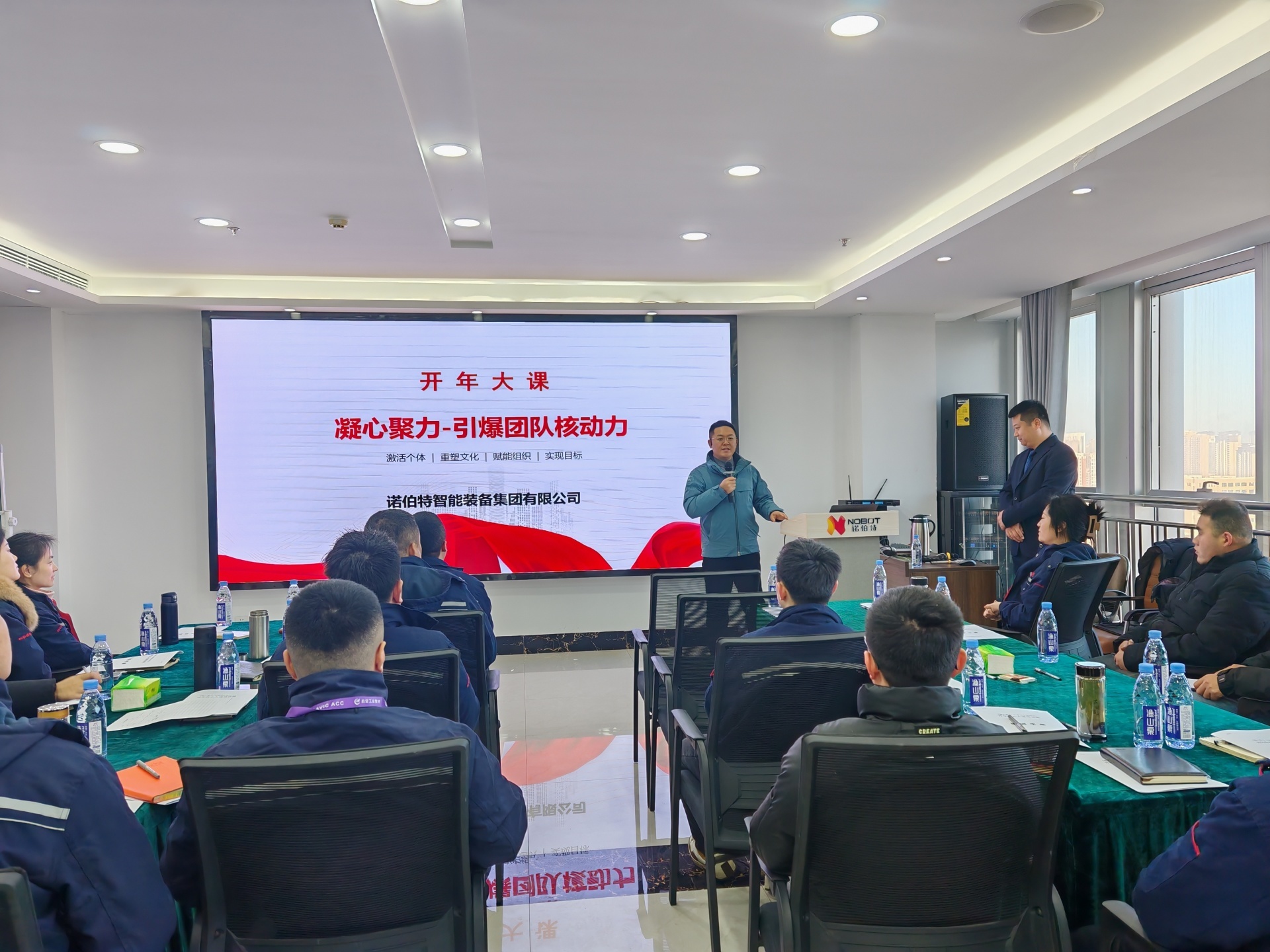
Nobot Group's 2025 Kick-off Event: A Team Building Activity Focused on Unity and Power
This opening ceremony was both a knowledge-boosting session, allowing employees to continuously grow through learning, and a team-building event, bringing everyone closer together. It impressed upon each employee that in today's increasingly competitive market, only by continuously learning new knowledge, daring to innovate, and maintaining teamwork can we remain undefeated. With the collective efforts of all employees, Nobot will surely ride the waves and achieve even greater success on this new journey, steadily advancing towards higher goals!
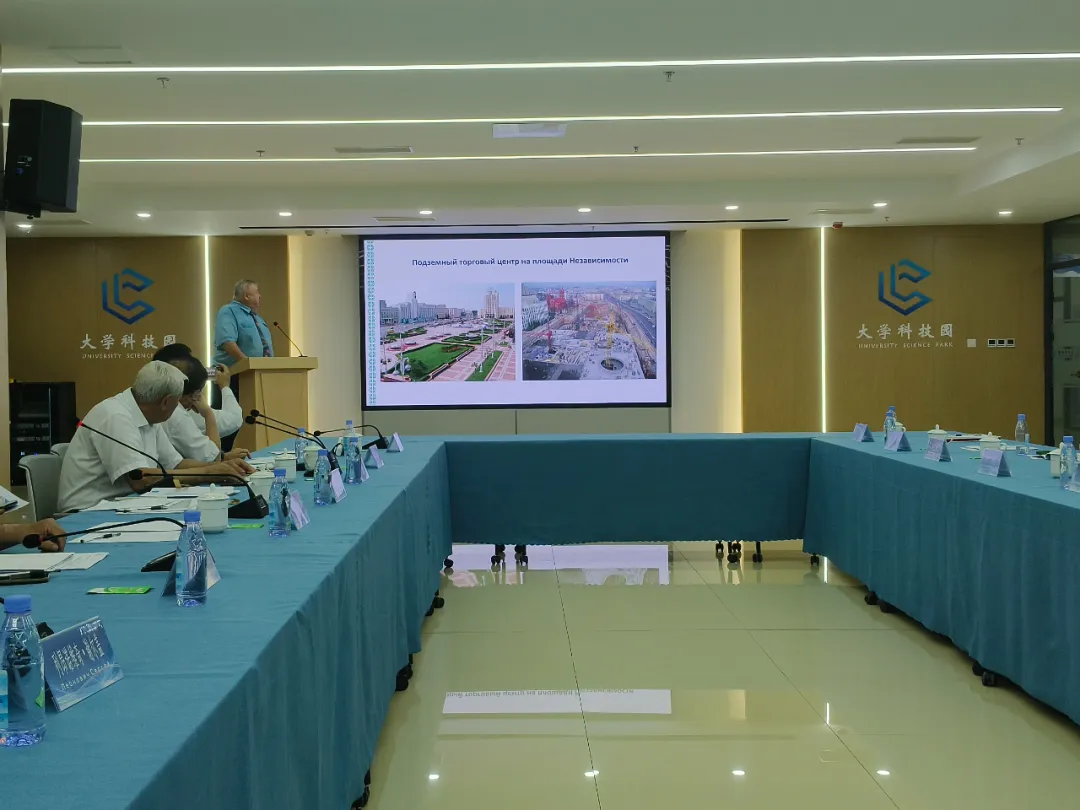
Nobot was invited to attend the Belt and Road International Exchange Conference
On July 28, 2024, the 2024 Liaocheng "Belt and Road" International Exchange Conference and the Unveiling Ceremony of the Central Asia International High-end Talent Joint Training Base were held in the Liaocheng High-tech Zone University Science and Technology Park. Professor Tursunbayev Zaporotot, President of Osh Technological University of the Kyrgyz Republic and corresponding academician of the Kyrgyz Academy of Engineering, and Academician Smaylor Erta of the Kyrgyz Academy of Engineering and the Russian Academy of Natural Sciences, among other experts and scholars from "Belt and Road" countries, participated in the event. Liaocheng Deputy Mayor Wang Gang and Zhang Ya, Party Secretary and Director of the Management Committee of the High-tech Zone, attended the event and delivered speeches.
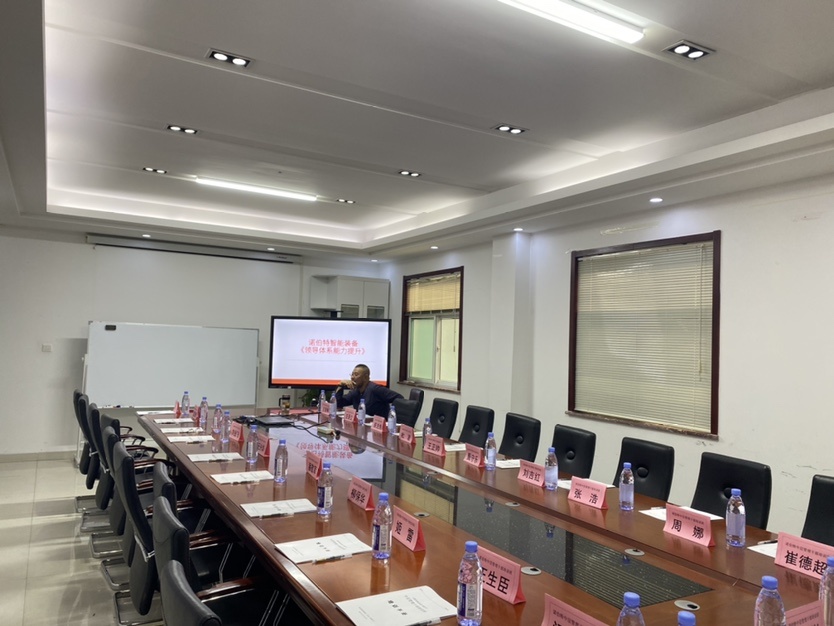
This training event not only provided a valuable learning opportunity for company managers and key personnel, but also built a platform for communication and sharing. During the training, everyone actively interacted and discussed enthusiastically, exploring effective ways to improve management capabilities together. Through this training, everyone has gained rich knowledge and skills, but more importantly, it has inspired confidence and motivation for the future.
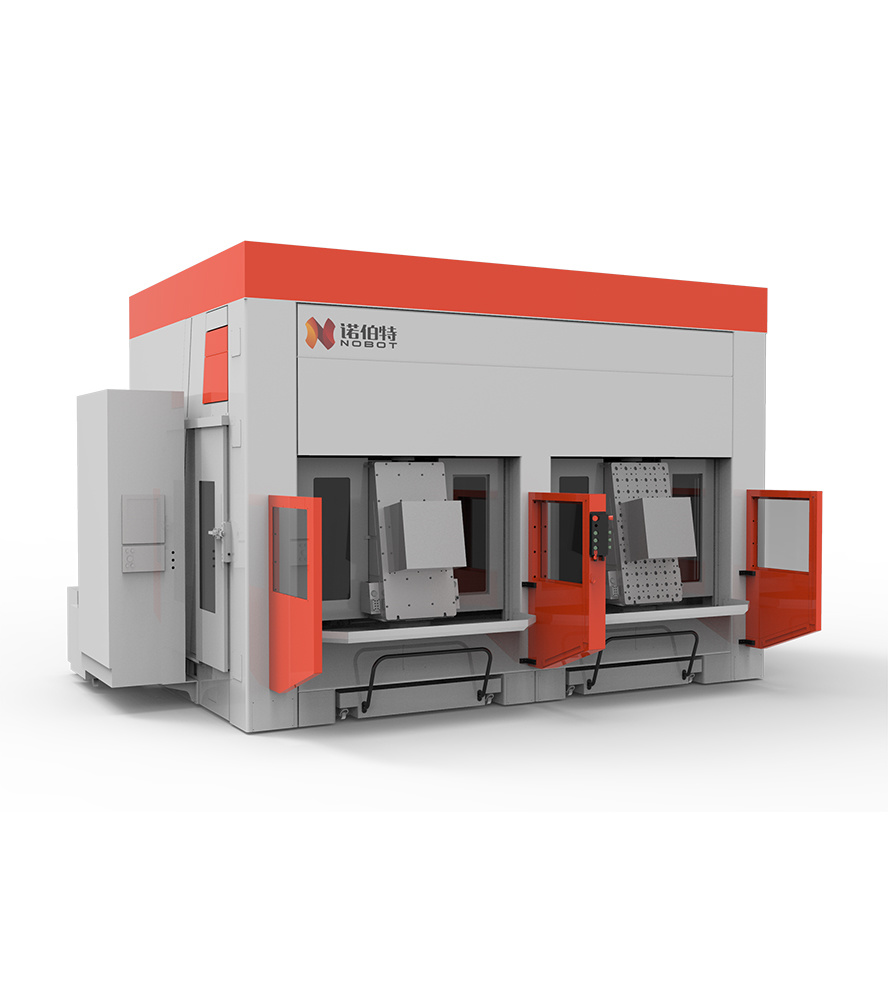
How to use a five-axis machining center efficiently? Today, let's learn a few practical steps!
When using a five-axis machining center, the equipment must first be adjusted to ensure that the workpiece and fixture dimensions precisely match, and that the zero points of each axis are accurately adjusted.
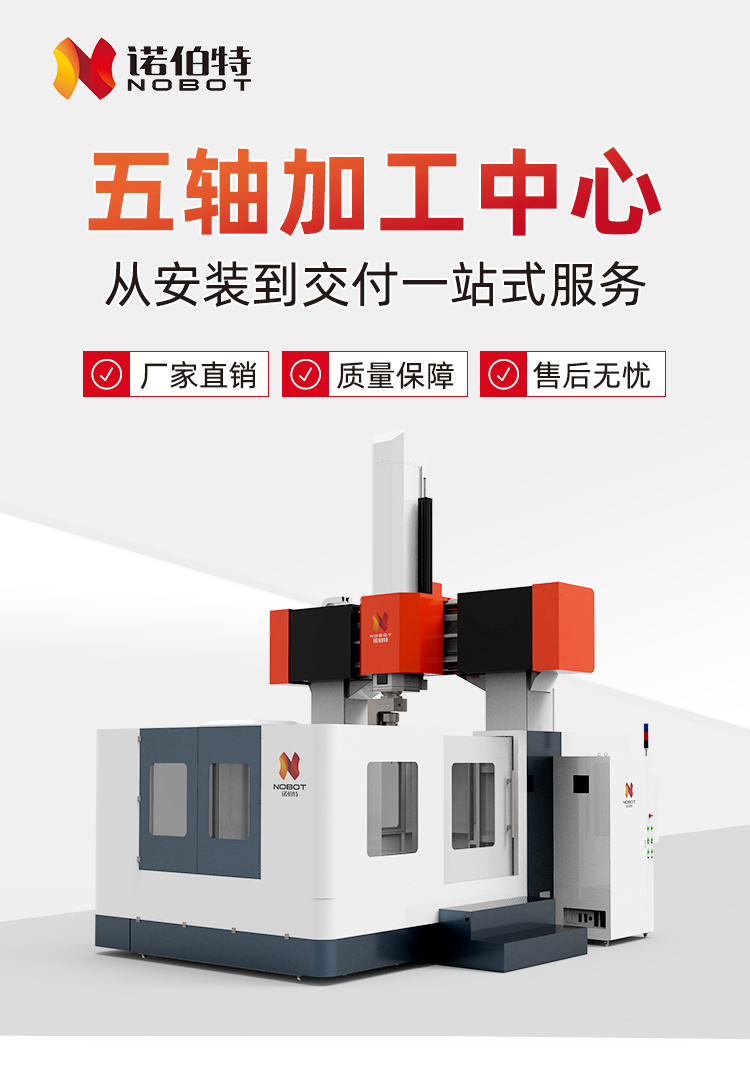
Why do composite materials require 5-axis CNC machining?
Composite materials are widely used in various fields such as aerospace, automotive, construction, energy, energy storage, infrastructure, marine, pipelines and tanks, sports and entertainment, and transportation due to their light weight, high fatigue resistance, and strong fracture resistance. Among them, aerospace and automotive industries are the largest application markets for composite materials. Five-axis CNC plays an important role in the processing of composite materials. Why do composite materials need to be processed using five-axis CNC?
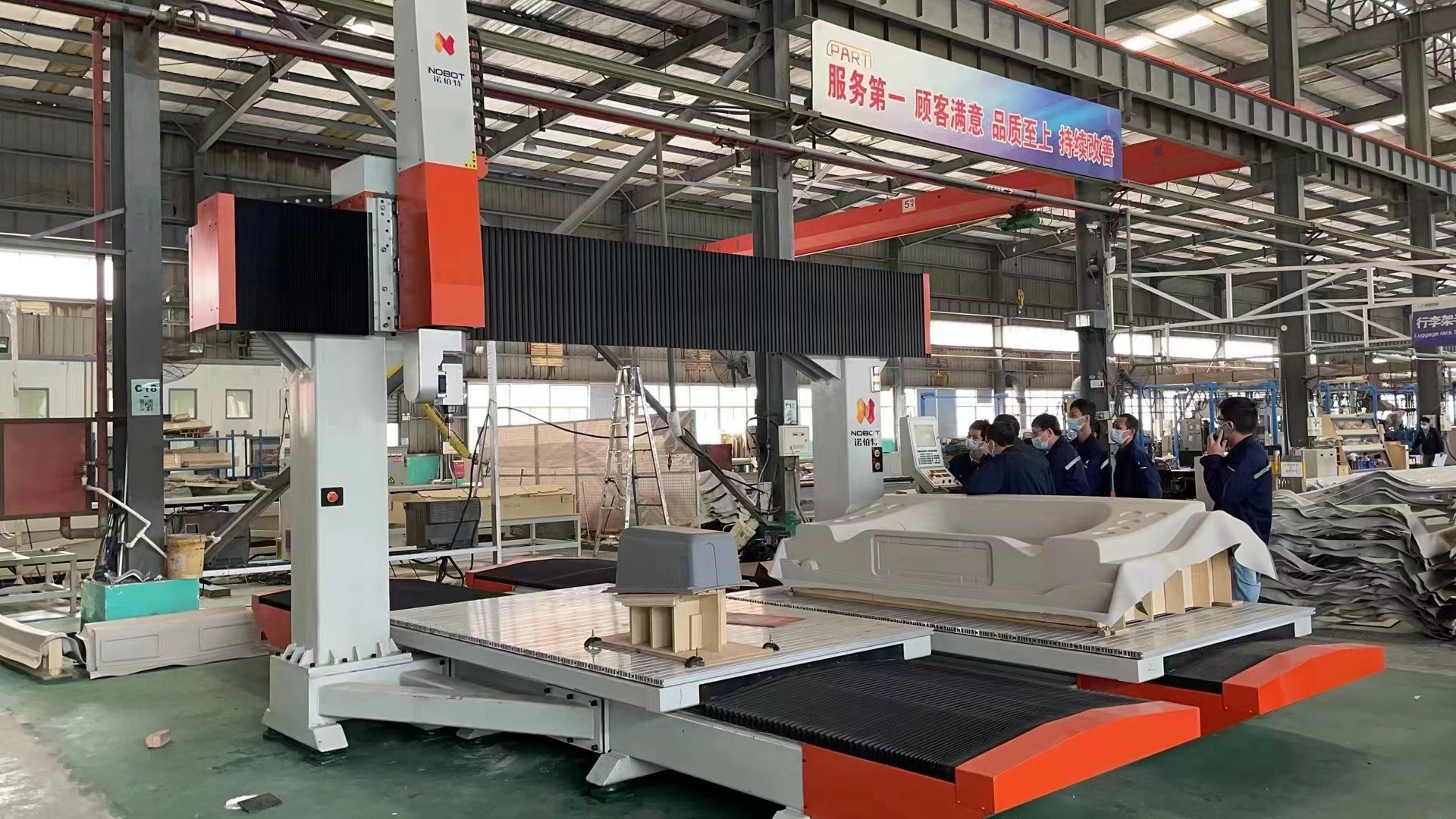
Dual-station five-axis machines offer several significant advantages. First, while one station is being machined, the other can be used for material loading and unloading, ensuring continuous, non-stop machining and significantly improving production efficiency. Second, the dual-station design makes operation more convenient and reduces waiting time. However, dual-station five-axis machines typically cost more than single-station machines and may require more operating and maintenance space.
Nobot Intelligent Equipment Group Co., Ltd.
Pre-sales consultation:86-635-2932233
Fax:86-635-2945333
After-sales consultation:86-635-5086881 / 86-635-2936881
National unified service hotline:86-400-823-3356
Email:nuobote@nobot.cc
Address: No. 1 Plant, No. 88 Huanghe Road, Gaoxin District, Liaocheng City, Shandong Province

copyright © 2025 Nobot Intelligent Equipment Group Co., Ltd.