

-
-
-
Application

-
-
-
-
Service
Industrial robot classification and application fields
Published Time:
Dec 14,2018
Currently, there are many types of industrial robots, and there is no unified classification method. Below are some classification methods and application fields compiled by Xiaonuo for your reference.
Industrial robots: refer to multi-joint mechanical arms or multi-degree-of-freedom machine devices oriented towards the industrial field. They can automatically perform tasks and are machines that realize various functions through their own power and control capabilities. They can accept human commands or operate according to pre-programmed procedures. Modern industrial robots can also act according to principles and guidelines formulated by artificial intelligence technology. China's industrial robot industry started in the 1970s and 1980s. After decades of development, it has formed a certain market scale, the application of the industrial robot industry is gradually increasing, and the market is gradually maturing.

Currently, industrial The types of robots are numerous, and the classification methods are not uniform Below are some classification methods and application fields compiled by Xiaonuo for your reference.
Industrial robots can be classified into four aspects: program input method, motion coordinate form, drive method, and application field. According to the program input method, there are two types: programming input type and teaching input type; according to the motion coordinate form, there are five types: articulated robots, cylindrical coordinate robots, Cartesian coordinate robots, parallel robots, and SCARA (planar articulated) robots; according to the drive method, they are divided into hydraulic drive, pneumatic drive, and drive; from the application field, there are mainly SCARA(平面关节型)机器人等五种;按驱动方式分为液压驱动、气压驱动、驱动等;从应用领域来看,主要有 Welding robots 、 Assembly robots 、 Handling and palletizing robots 、 Robot loading and unloading 、 Polishing and spraying robots 、 Cutting and processing robots etc.

Industrial robots Applications mainly include automobiles, 3C electronics, food processing, logistics, rubber and plastics, etc. Different fields have different functional requirements for robots. In the automotive field, welding and handling are the main tasks, while the logistics field requires robots to complete sorting tasks, and the food processing field also requires robots to have cleaning functions. 3C领域以焊接、搬运等为主,物流领域需要机器人完成分拣工作,食品加工领域还需要机器人具备清洁功能。

BLOGS
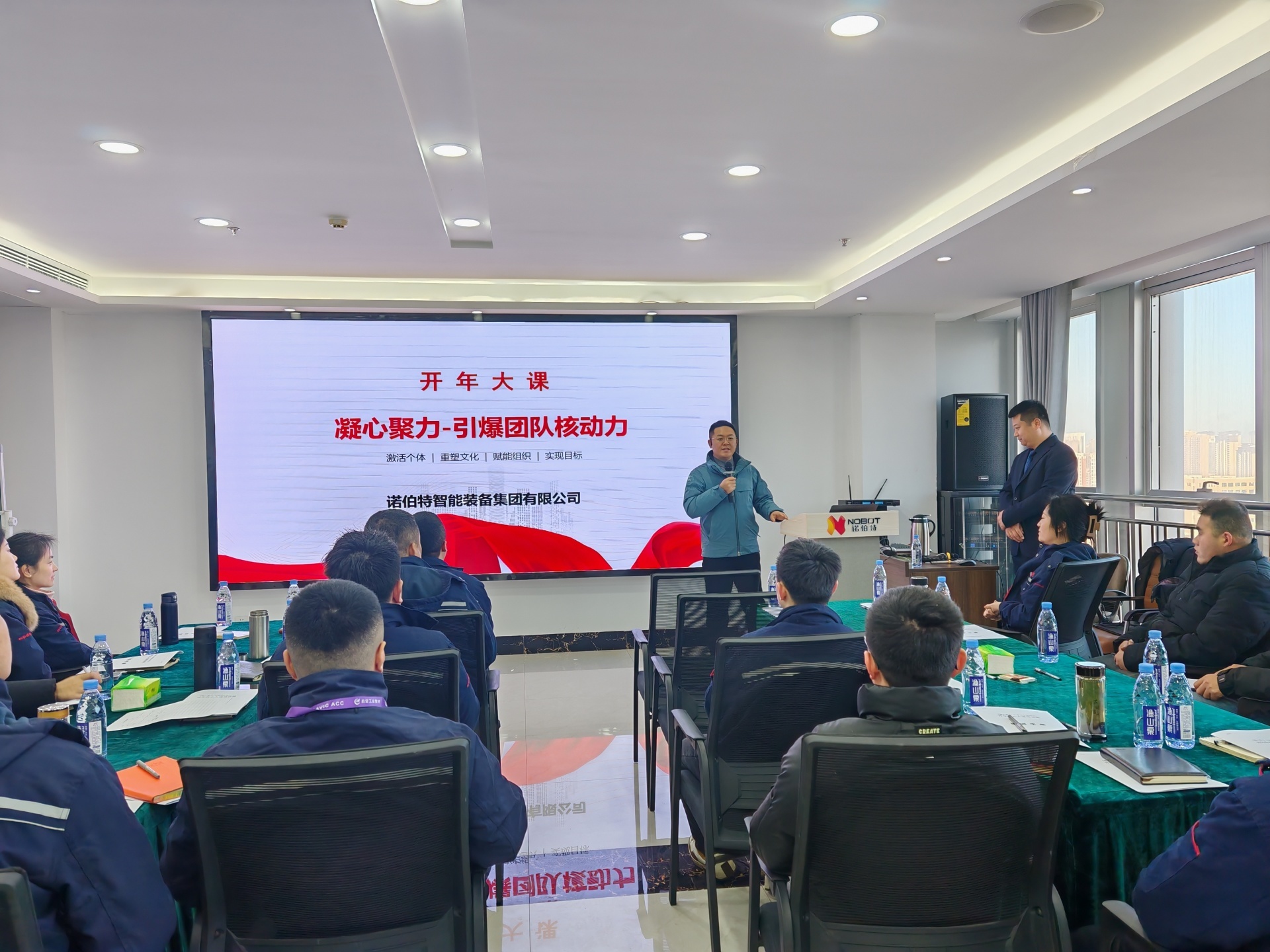
Nobot Group's 2025 Kick-off Event: A Team Building Activity Focused on Unity and Power
This opening ceremony was both a knowledge-boosting session, allowing employees to continuously grow through learning, and a team-building event, bringing everyone closer together. It impressed upon each employee that in today's increasingly competitive market, only by continuously learning new knowledge, daring to innovate, and maintaining teamwork can we remain undefeated. With the collective efforts of all employees, Nobot will surely ride the waves and achieve even greater success on this new journey, steadily advancing towards higher goals!
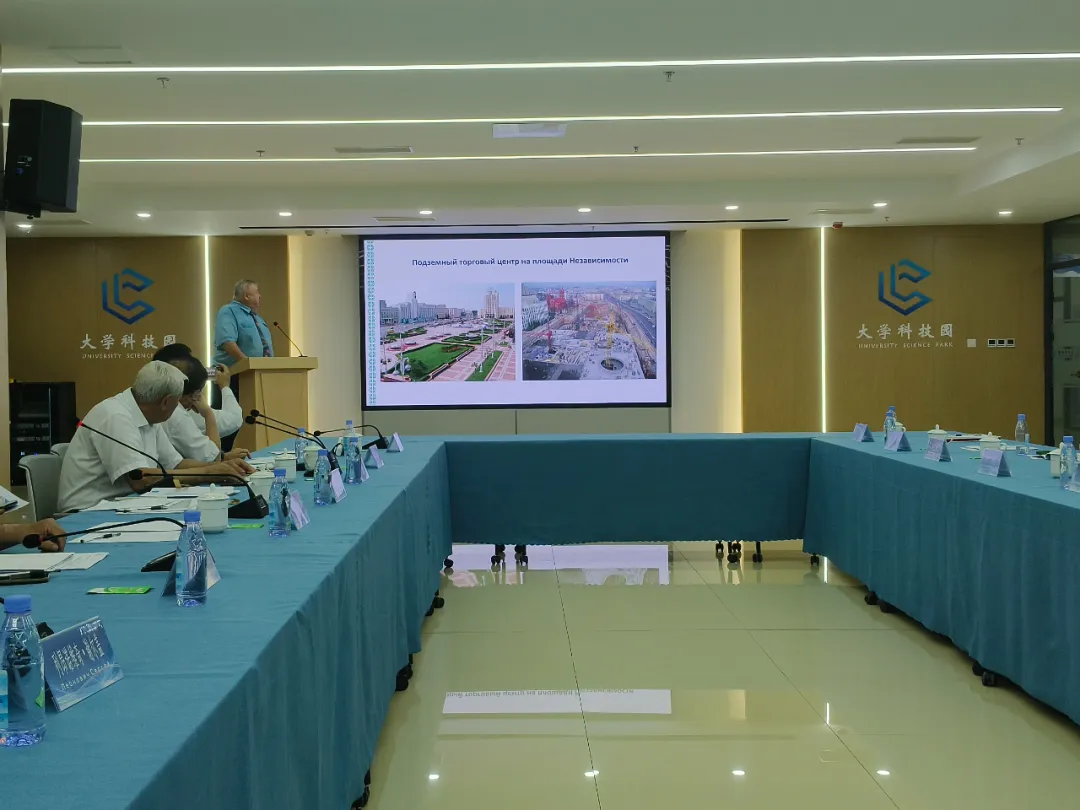
Nobot was invited to attend the Belt and Road International Exchange Conference
On July 28, 2024, the 2024 Liaocheng "Belt and Road" International Exchange Conference and the Unveiling Ceremony of the Central Asia International High-end Talent Joint Training Base were held in the Liaocheng High-tech Zone University Science and Technology Park. Professor Tursunbayev Zaporotot, President of Osh Technological University of the Kyrgyz Republic and corresponding academician of the Kyrgyz Academy of Engineering, and Academician Smaylor Erta of the Kyrgyz Academy of Engineering and the Russian Academy of Natural Sciences, among other experts and scholars from "Belt and Road" countries, participated in the event. Liaocheng Deputy Mayor Wang Gang and Zhang Ya, Party Secretary and Director of the Management Committee of the High-tech Zone, attended the event and delivered speeches.
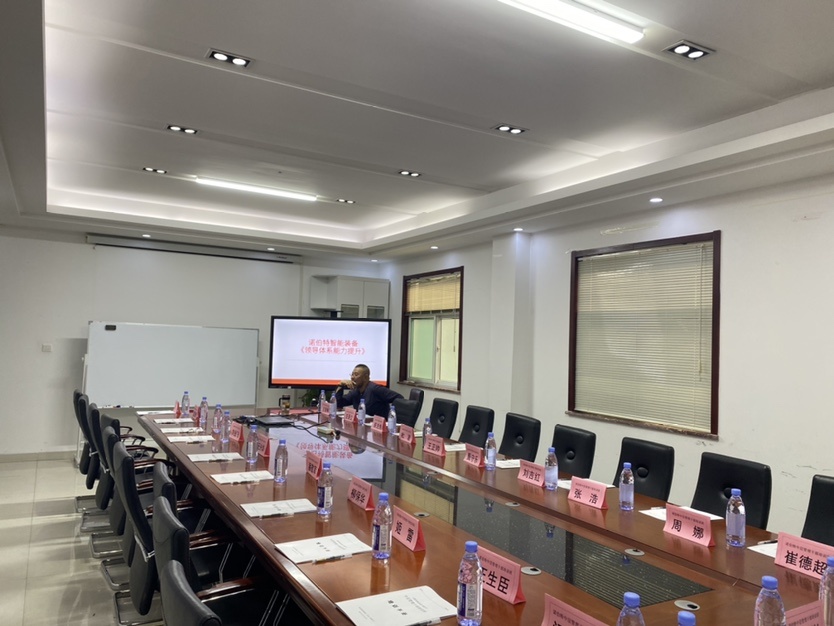
This training event not only provided a valuable learning opportunity for company managers and key personnel, but also built a platform for communication and sharing. During the training, everyone actively interacted and discussed enthusiastically, exploring effective ways to improve management capabilities together. Through this training, everyone has gained rich knowledge and skills, but more importantly, it has inspired confidence and motivation for the future.
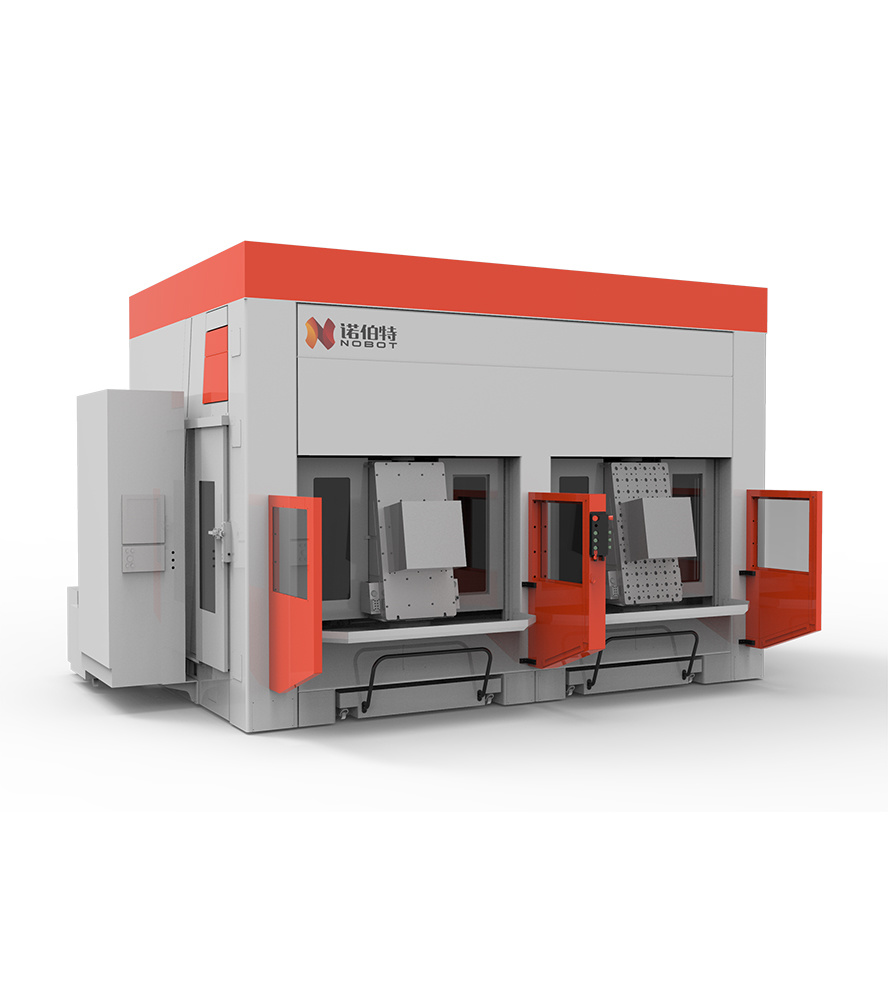
How to use a five-axis machining center efficiently? Today, let's learn a few practical steps!
When using a five-axis machining center, the equipment must first be adjusted to ensure that the workpiece and fixture dimensions precisely match, and that the zero points of each axis are accurately adjusted.
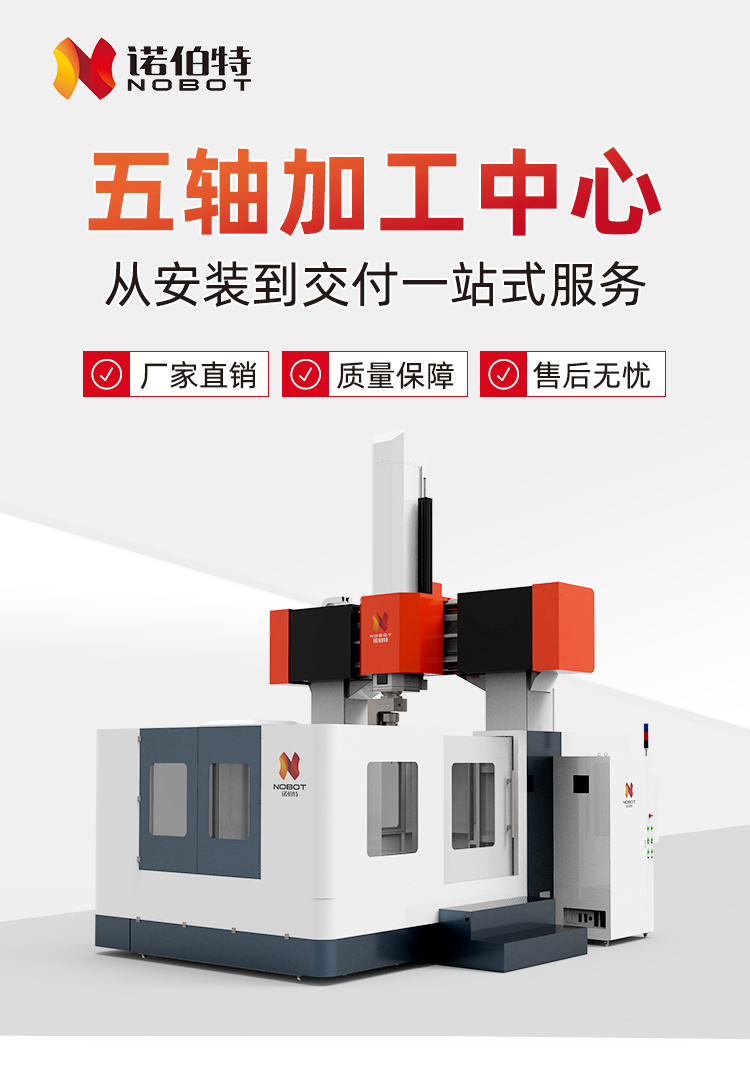
Why do composite materials require 5-axis CNC machining?
Composite materials are widely used in various fields such as aerospace, automotive, construction, energy, energy storage, infrastructure, marine, pipelines and tanks, sports and entertainment, and transportation due to their light weight, high fatigue resistance, and strong fracture resistance. Among them, aerospace and automotive industries are the largest application markets for composite materials. Five-axis CNC plays an important role in the processing of composite materials. Why do composite materials need to be processed using five-axis CNC?
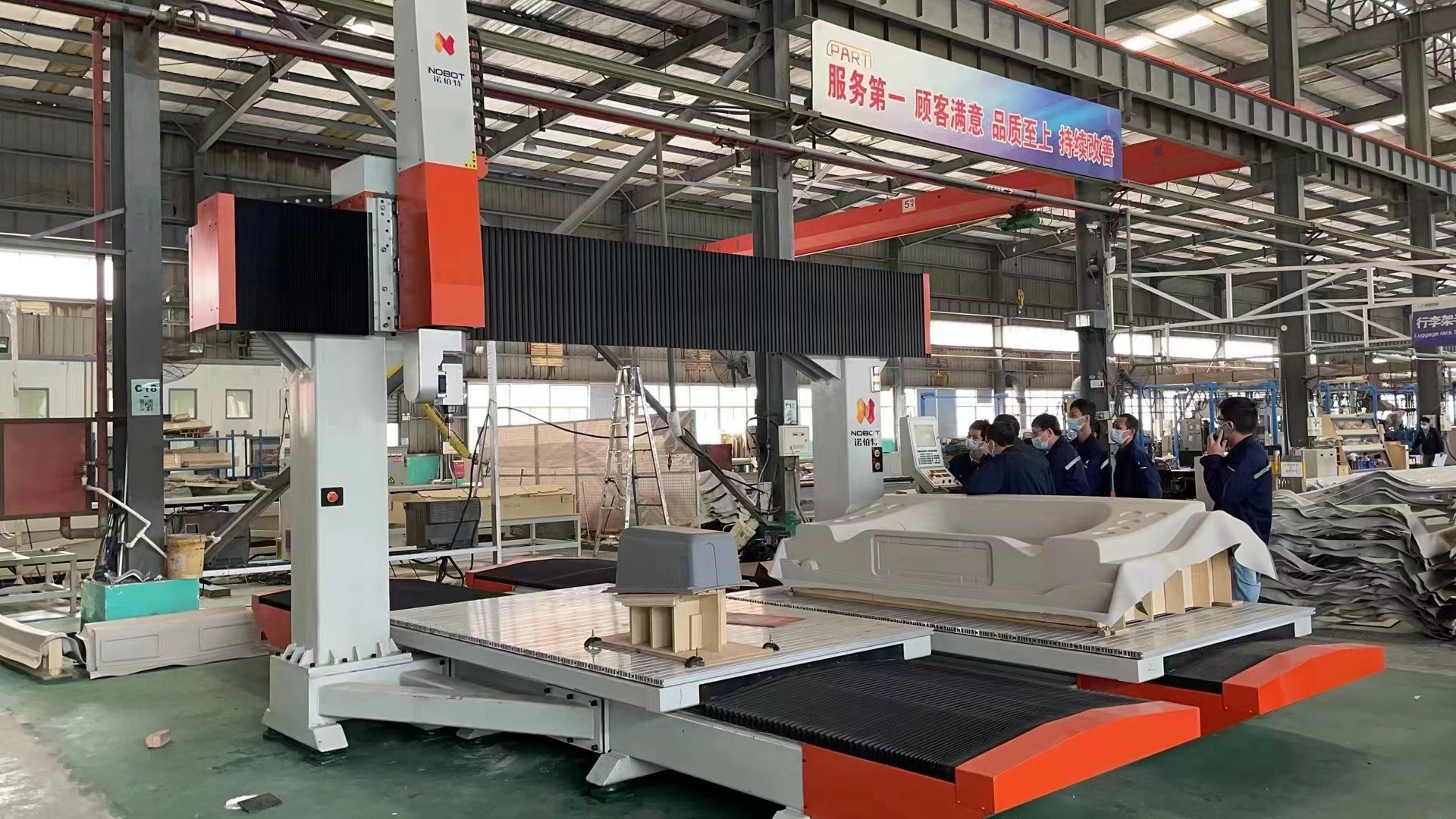
Dual-station five-axis machines offer several significant advantages. First, while one station is being machined, the other can be used for material loading and unloading, ensuring continuous, non-stop machining and significantly improving production efficiency. Second, the dual-station design makes operation more convenient and reduces waiting time. However, dual-station five-axis machines typically cost more than single-station machines and may require more operating and maintenance space.
Nobot Intelligent Equipment Group Co., Ltd.
Pre-sales consultation:86-635-2932233
Fax:86-635-2945333
After-sales consultation:86-635-5086881 / 86-635-2936881
National unified service hotline:86-400-823-3356
Email:nuobote@nobot.cc
Address: No. 1 Plant, No. 88 Huanghe Road, Gaoxin District, Liaocheng City, Shandong Province

copyright © 2025 Nobot Intelligent Equipment Group Co., Ltd.