

-
-
-
Application

-
-
-
-
Service
Nobot guides you on how to choose the right industrial robot
Published Time:
Mar 17,2020
Technical parameters directly reflect the differences between various industrial robots. Different robots have different technical parameter characteristics, corresponding to their different application ranges. Industrial robots are highly precise modern mechanical equipment with numerous parameters. When selecting industrial robots, enterprises should pay close attention to which parameters? Let's follow Nobot to take a look at the seven key technical parameters of industrial robots.
After more than forty years of development, robots have been applied in more and more fields. In manufacturing, especially in the automotive industry, industrial robots have been widely used, accounting for more than 30%. With the development of industrial robots in a deeper and broader direction and the improvement of the intelligence level of robots, the application range of robots is constantly expanding, and has been promoted from the automotive manufacturing industry to other manufacturing industries. With the continuous rise in labor costs now many enterprises have shown great interest in industrial robots, and most enterprises hope to use robots to bring higher economic benefits to the enterprises, and technical parameters are the most important indicator for selecting industrial robots.
Technical parameters are the direct manifestation of the gap between different industrial robots. Different robots have different technical parameter characteristics, corresponding to their different application ranges. Industrial robots are high-precision modern mechanical equipment with numerous parameters. When enterprises choose industrial robots, what parameters should they pay attention to? Let's follow Nobot to see the seven technical parameters worth paying attention to for industrial robots.
1. Degrees of Freedom
Degrees of freedom can be explained by the number of axes of the robot. The more axes a robot has, the more degrees of freedom it has, and the greater the flexibility of the mechanical structure's movement, and the stronger the versatility. However, the increase in degrees of freedom makes the robot arm structure more complex and reduces the robot's rigidity. When the robot arm has more degrees of freedom than are needed to complete the work, the extra degrees of freedom can provide the robot with a certain obstacle avoidance capability. Most robots currently have 3 to 6 degrees of freedom, which can be selected according to the complexity and obstacles of the actual work.
2. Drive Mode
The drive mode mainly refers to the form of the power source of the joint actuator. Generally, there are hydraulic drive, pneumatic drive, and electric drive. Different drive modes have their own advantages and characteristics. Choose according to the needs of your actual work. Electric drive is now more commonly used. The main advantage of hydraulic drive is that it can output a larger driving force with a smaller driver, but the disadvantage is that the oil is easy to leak and pollute the environment; the main advantage of pneumatic drive is that it has a good buffering effect and can achieve stepless speed regulation, but the disadvantage is that it is noisy; the advantages of electric drive are high drive efficiency, easy use, and low cost.
3. Control Mode
The control mode of the robot is also called the control axis mode, which is mainly used to control the robot's motion trajectory. Generally speaking, there are two types of control modes: one is servo control, and the other is non-servo control. Servo control methods can be further divided into continuous trajectory control and point control. Compared with non-servo control robots, servo control robots have a larger memory storage space, can store more point addresses, and can make the operation process more complex and stable.
4. Operating Speed
Operating speed refers to the angle or distance moved by the center of the mechanical interface or the tool center point per unit time during uniform motion under a reasonable working load. In simple terms, the higher the operating speed, the higher the work efficiency. However, the operating speed requires more time to accelerate or decelerate, or higher requirements for the acceleration rate or deceleration rate of the industrial robot.
5. Workspace
The workspace refers to the *range in which the origin of the end-effector coordinate system can move in space during the normal operation of the robot manipulator, or the spatial volume occupied by all points that the point can reach. The size of the workspace is not only related to the size of each link of the robot, but also related to the overall structural form of the robot. The shape and size of the workspace are very important. When a robot performs a certain operation, it may not be able to complete the task due to the existence of a dead zone where the hand cannot reach.
6. Payload
The load that the robot wrist can bear when working within the specified performance range. The payload depends not only on the mass of the load, but also on the speed and acceleration of the robot's operation, as well as the size and direction. To ensure safety, the payload is determined as the load-carrying capacity during high-speed operation. Usually, the payload refers not only to the mass of the load, but also to the mass of the robot's end-effector.
7. Working Accuracy, Repeatability, and Resolution
In simple terms, the working accuracy of a robot refers to the error produced each time the robot locates a position, the repeatability is the average value of the error produced when the robot repeatedly locates a position, and the resolution is the *smallest moving distance or small rotation angle that each axis of the robot can achieve. These three parameters jointly affect the working accuracy of the robot.
Nobot Intelligent Equipment (Shandong) Co., Ltd. focuses on the research and development, application, and promotion of industrial robots, striving to provide excellent intelligent equipment for the upgrading and transformation of the manufacturing industry. If you have any questions when choosing industrial robots, please call the Nobot toll-free service hotline 4008233356 or follow the official account below

BLOGS
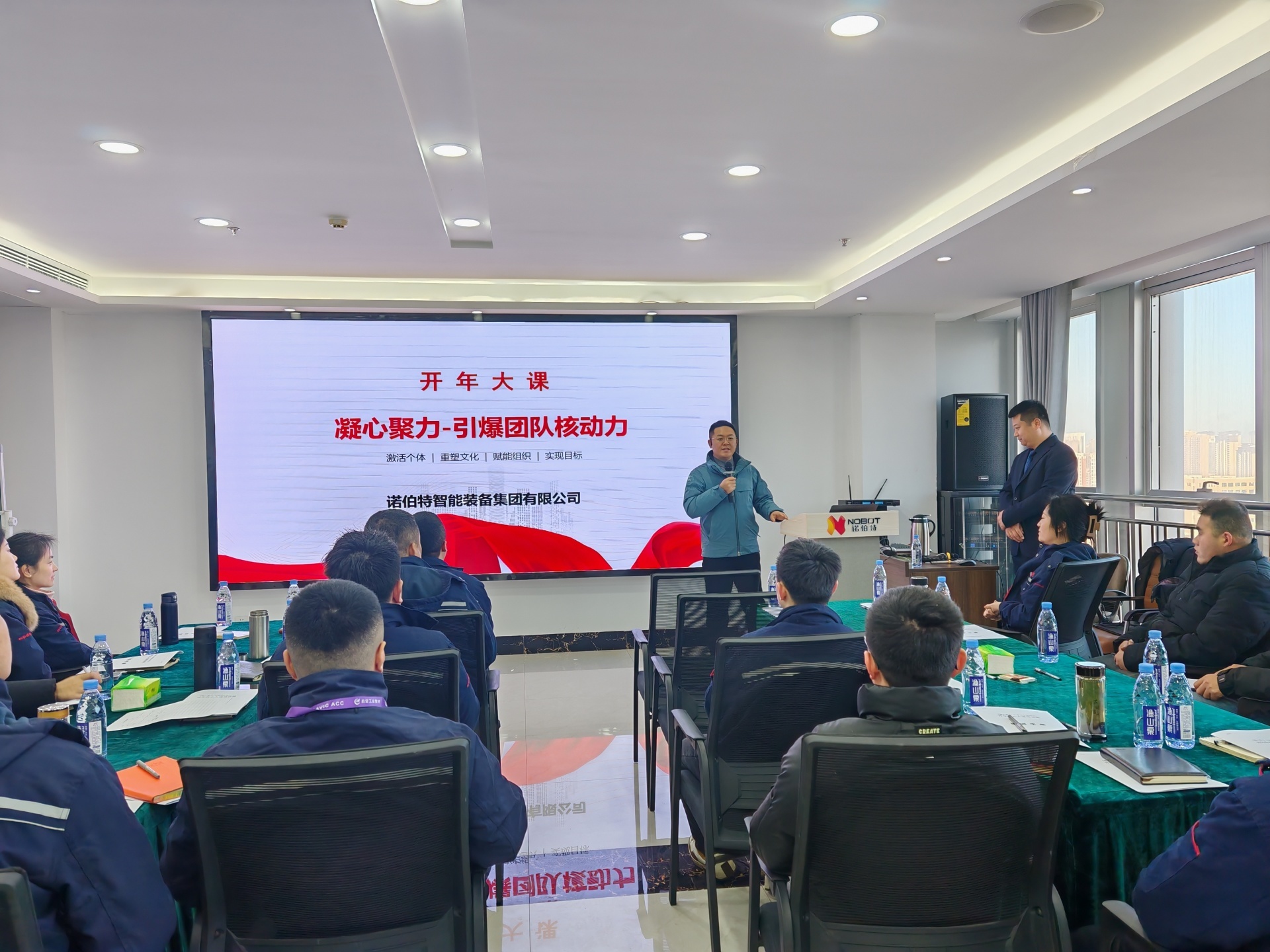
Nobot Group's 2025 Kick-off Event: A Team Building Activity Focused on Unity and Power
This opening ceremony was both a knowledge-boosting session, allowing employees to continuously grow through learning, and a team-building event, bringing everyone closer together. It impressed upon each employee that in today's increasingly competitive market, only by continuously learning new knowledge, daring to innovate, and maintaining teamwork can we remain undefeated. With the collective efforts of all employees, Nobot will surely ride the waves and achieve even greater success on this new journey, steadily advancing towards higher goals!
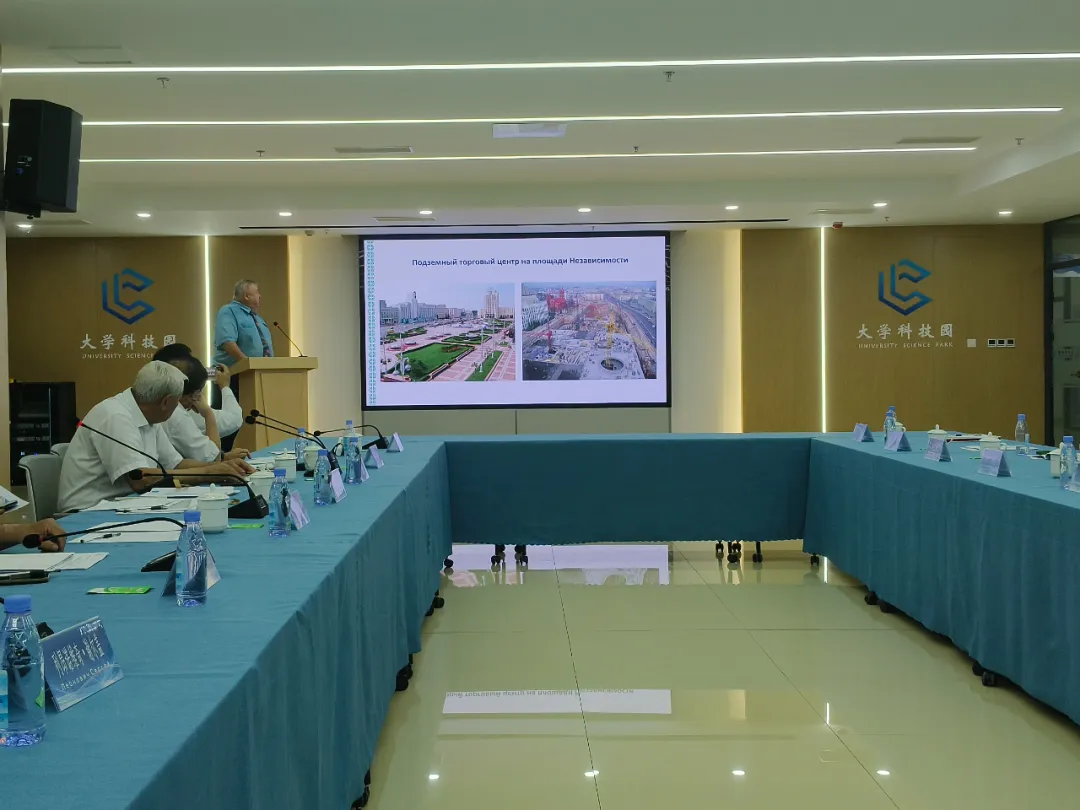
Nobot was invited to attend the Belt and Road International Exchange Conference
On July 28, 2024, the 2024 Liaocheng "Belt and Road" International Exchange Conference and the Unveiling Ceremony of the Central Asia International High-end Talent Joint Training Base were held in the Liaocheng High-tech Zone University Science and Technology Park. Professor Tursunbayev Zaporotot, President of Osh Technological University of the Kyrgyz Republic and corresponding academician of the Kyrgyz Academy of Engineering, and Academician Smaylor Erta of the Kyrgyz Academy of Engineering and the Russian Academy of Natural Sciences, among other experts and scholars from "Belt and Road" countries, participated in the event. Liaocheng Deputy Mayor Wang Gang and Zhang Ya, Party Secretary and Director of the Management Committee of the High-tech Zone, attended the event and delivered speeches.
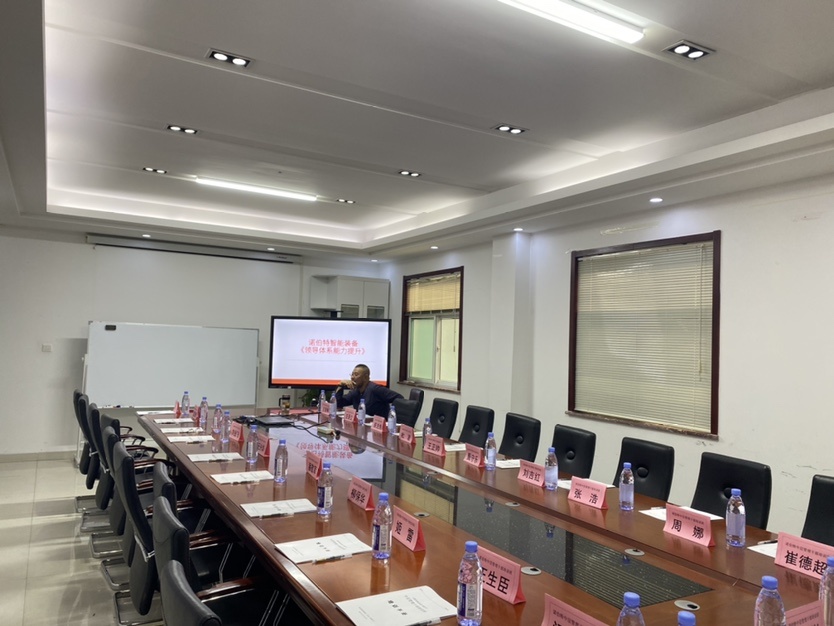
This training event not only provided a valuable learning opportunity for company managers and key personnel, but also built a platform for communication and sharing. During the training, everyone actively interacted and discussed enthusiastically, exploring effective ways to improve management capabilities together. Through this training, everyone has gained rich knowledge and skills, but more importantly, it has inspired confidence and motivation for the future.
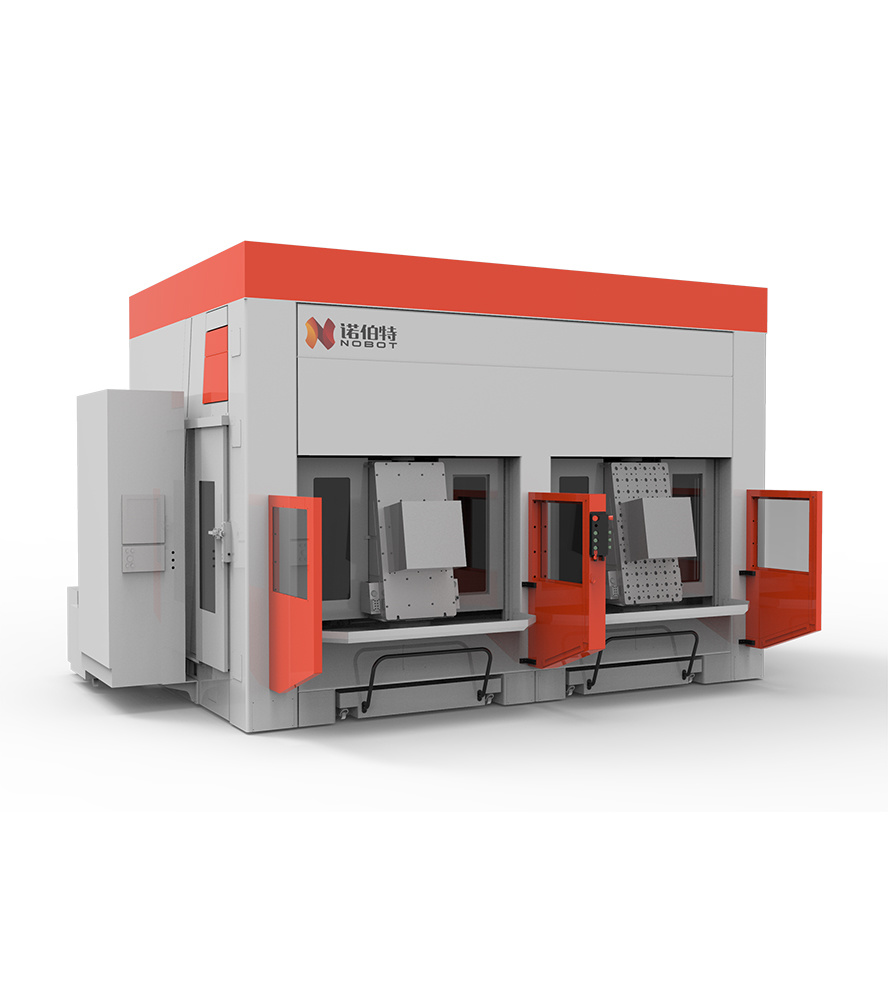
How to use a five-axis machining center efficiently? Today, let's learn a few practical steps!
When using a five-axis machining center, the equipment must first be adjusted to ensure that the workpiece and fixture dimensions precisely match, and that the zero points of each axis are accurately adjusted.
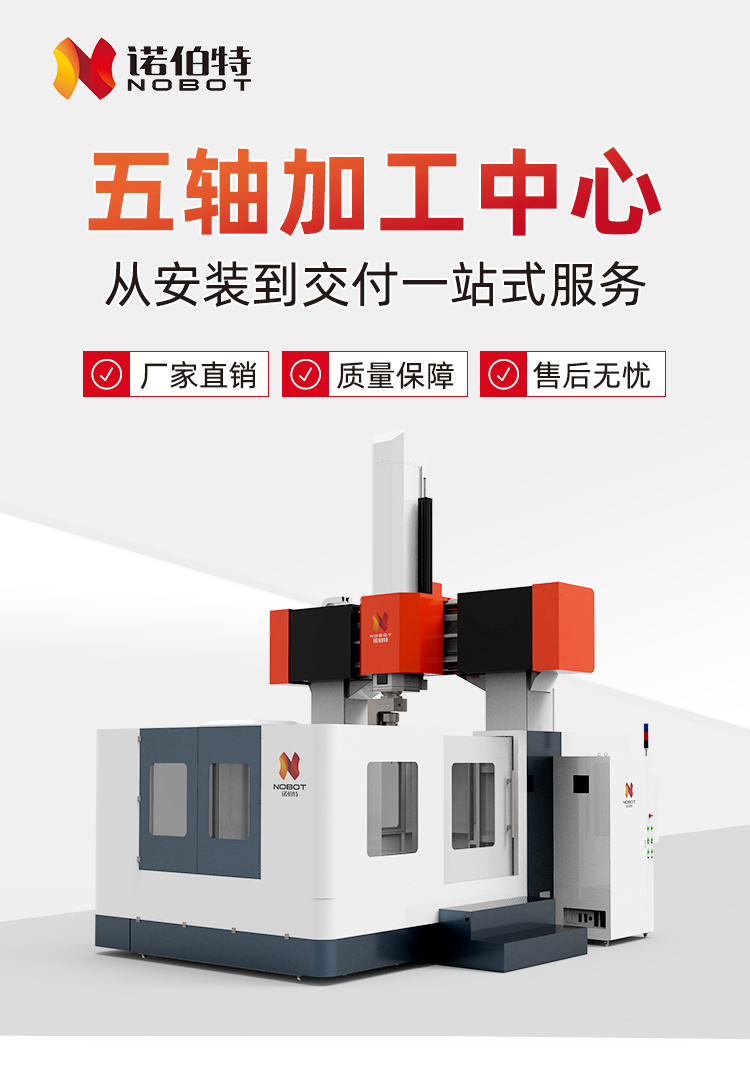
Why do composite materials require 5-axis CNC machining?
Composite materials are widely used in various fields such as aerospace, automotive, construction, energy, energy storage, infrastructure, marine, pipelines and tanks, sports and entertainment, and transportation due to their light weight, high fatigue resistance, and strong fracture resistance. Among them, aerospace and automotive industries are the largest application markets for composite materials. Five-axis CNC plays an important role in the processing of composite materials. Why do composite materials need to be processed using five-axis CNC?
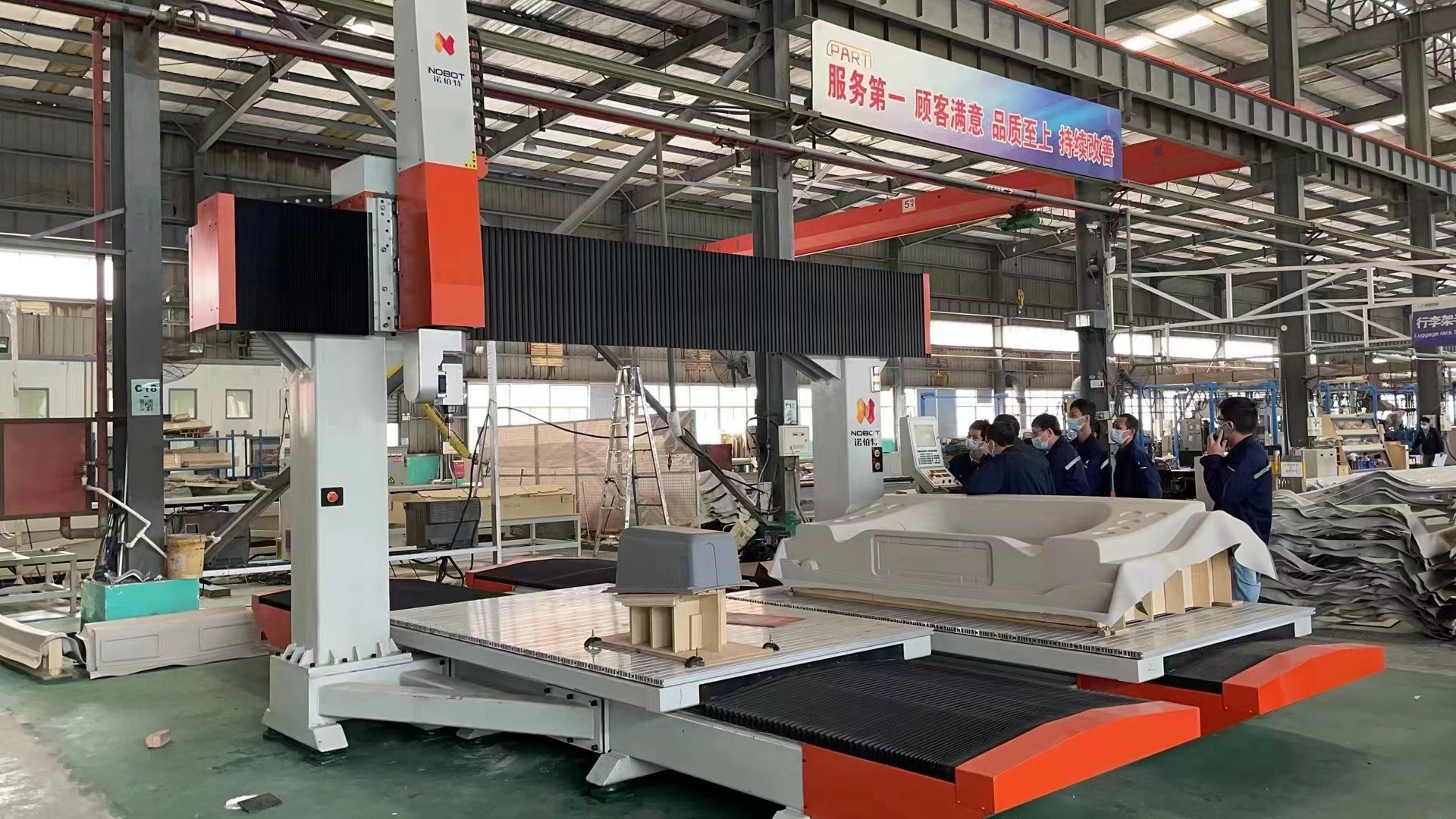
Dual-station five-axis machines offer several significant advantages. First, while one station is being machined, the other can be used for material loading and unloading, ensuring continuous, non-stop machining and significantly improving production efficiency. Second, the dual-station design makes operation more convenient and reduces waiting time. However, dual-station five-axis machines typically cost more than single-station machines and may require more operating and maintenance space.
Nobot Intelligent Equipment Group Co., Ltd.
Pre-sales consultation:86-635-2932233
Fax:86-635-2945333
After-sales consultation:86-635-5086881 / 86-635-2936881
National unified service hotline:86-400-823-3356
Email:nuobote@nobot.cc
Address: No. 1 Plant, No. 88 Huanghe Road, Gaoxin District, Liaocheng City, Shandong Province

copyright © 2025 Nobot Intelligent Equipment Group Co., Ltd.