

-
-
-
Application

-
-
-
-
Service
Nobot welding robots assist the automotive manufacturing industry
Published Time:
Dec 11,2018
Welding robots represent the largest application area of industrial robots, accounting for over 40% of the total. The manufacturing industry is increasingly demanding higher precision and speed in the welding of many components, a task that is beyond the capabilities of ordinary workers. Furthermore, the sparks and fumes generated during welding pose health risks. Therefore, the complete automation of the welding process has become an important research topic, with the application of welding robots being paramount.
Welding robots are currently the largest application area of industrial robots, accounting for more than 40% of the total number of industrial robots. At present, the manufacturing industry is putting forward increasingly higher requirements for the welding precision and speed of many components, and ordinary workers can hardly cope with this work; in addition, sparks and smoke during welding are harmful to the human body, so the complete automation of the welding process has become an important research topic, and the most important thing is to apply welding robots.

Nobot welding robots mainly consist of two parts: the robot body and the equipment. The robot consists of the robot body and the control cabinet (hardware and software). As for welding equipment, taking arc welding and spot welding as examples, it consists of welding power supply (including its control system), wire feeder (arc welding), (clamp), etc. Intelligent robots should also have a sensing system, such as laser or camera sensors and their control devices.

Advantages of Nobot Welding Robots
1) Stabilize and improve welding quality, and reflect welding quality in numerical form;
2) Improve labor productivity;
3) Improve worker labor intensity and can work in harmful environments;
4) Reduce the requirements for worker operating skills;
5) Shorten the preparation cycle for product model changes and reduce equipment investment.

Application Areas of Nobot Welding Robots
Welding robots are currently widely used in the automotive manufacturing industry, such as welding car chassis, seat frames, guides, mufflers, and torque converters, especially in the production of car chassis welding. Using this technology of spot welding robots can improve welding quality, and even attempts to replace some arc welding operations. The movement time within a short distance is also greatly shortened. Domestic automakers mainly use MIG welding technology for the production of rear axles, sub-frames, rocker arms, suspensions, shock absorbers and other car chassis parts, which are mainly load-bearing safety parts. The main components are stamped and welded, with an average plate thickness of 1.5~4mm. The welding mainly uses lap joints and corner joints, and the welding quality requirements are quite high. The quality directly affects the safety performance of the car. After using robot welding, the appearance and internal quality of the welded parts are greatly improved, and the stability of the quality is ensured, labor intensity is reduced, and the working environment is improved.
Please follow the official public account for more information

BLOGS
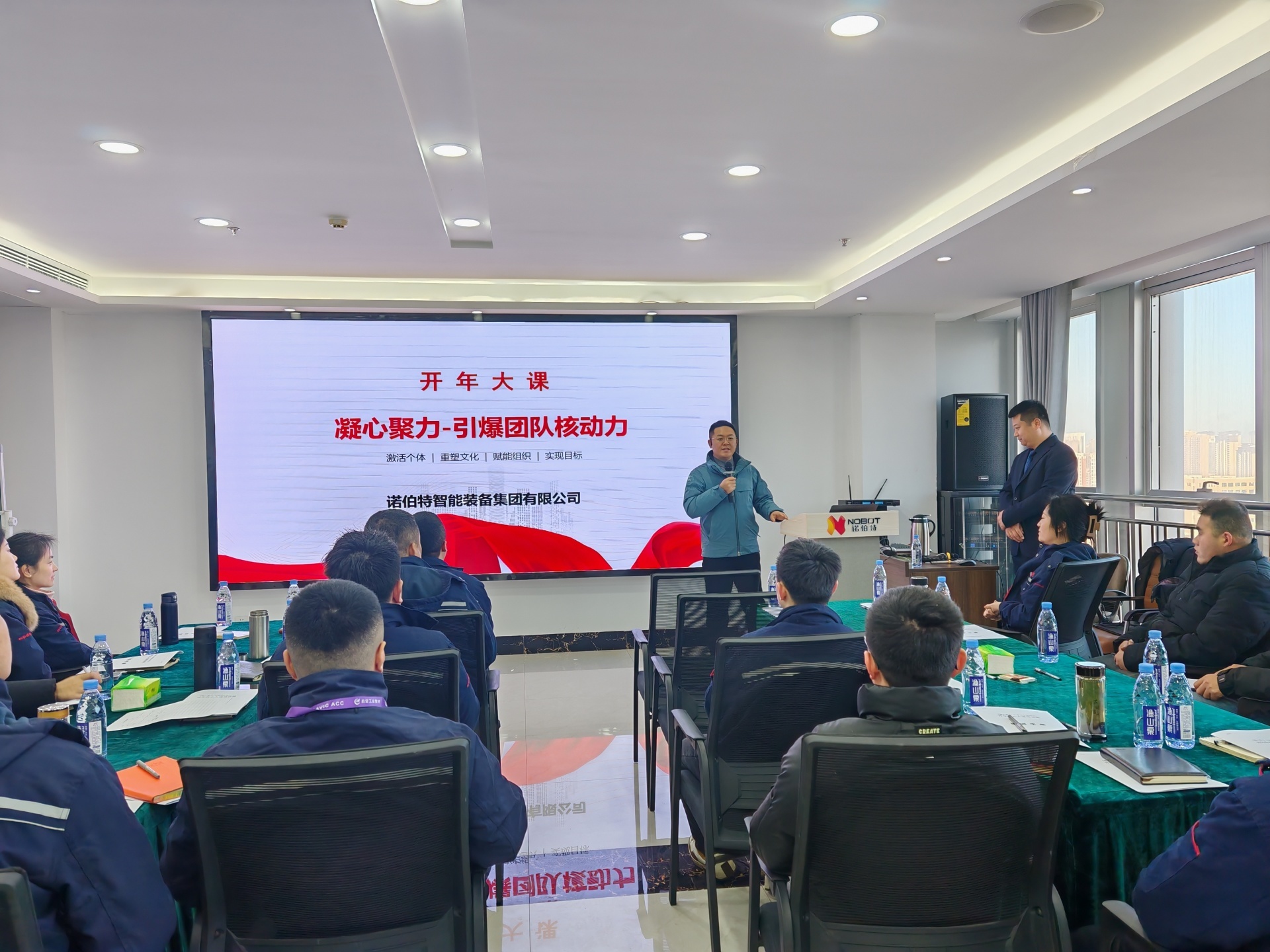
Nobot Group's 2025 Kick-off Event: A Team Building Activity Focused on Unity and Power
This opening ceremony was both a knowledge-boosting session, allowing employees to continuously grow through learning, and a team-building event, bringing everyone closer together. It impressed upon each employee that in today's increasingly competitive market, only by continuously learning new knowledge, daring to innovate, and maintaining teamwork can we remain undefeated. With the collective efforts of all employees, Nobot will surely ride the waves and achieve even greater success on this new journey, steadily advancing towards higher goals!
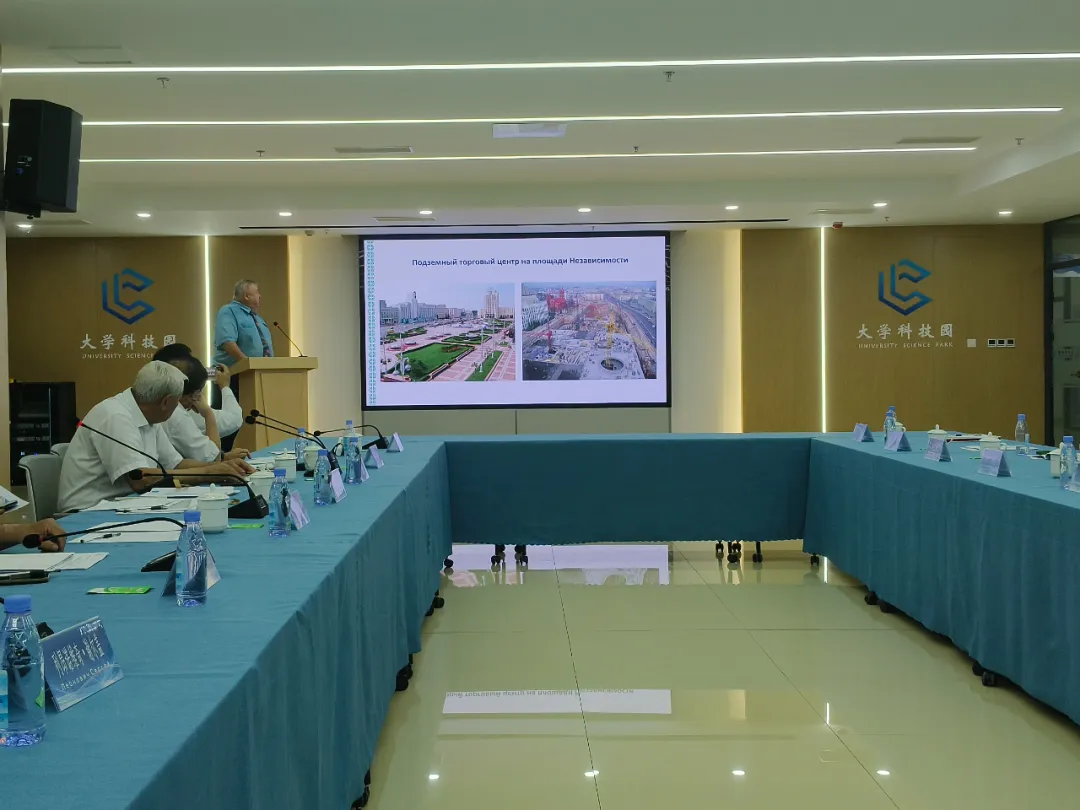
Nobot was invited to attend the Belt and Road International Exchange Conference
On July 28, 2024, the 2024 Liaocheng "Belt and Road" International Exchange Conference and the Unveiling Ceremony of the Central Asia International High-end Talent Joint Training Base were held in the Liaocheng High-tech Zone University Science and Technology Park. Professor Tursunbayev Zaporotot, President of Osh Technological University of the Kyrgyz Republic and corresponding academician of the Kyrgyz Academy of Engineering, and Academician Smaylor Erta of the Kyrgyz Academy of Engineering and the Russian Academy of Natural Sciences, among other experts and scholars from "Belt and Road" countries, participated in the event. Liaocheng Deputy Mayor Wang Gang and Zhang Ya, Party Secretary and Director of the Management Committee of the High-tech Zone, attended the event and delivered speeches.
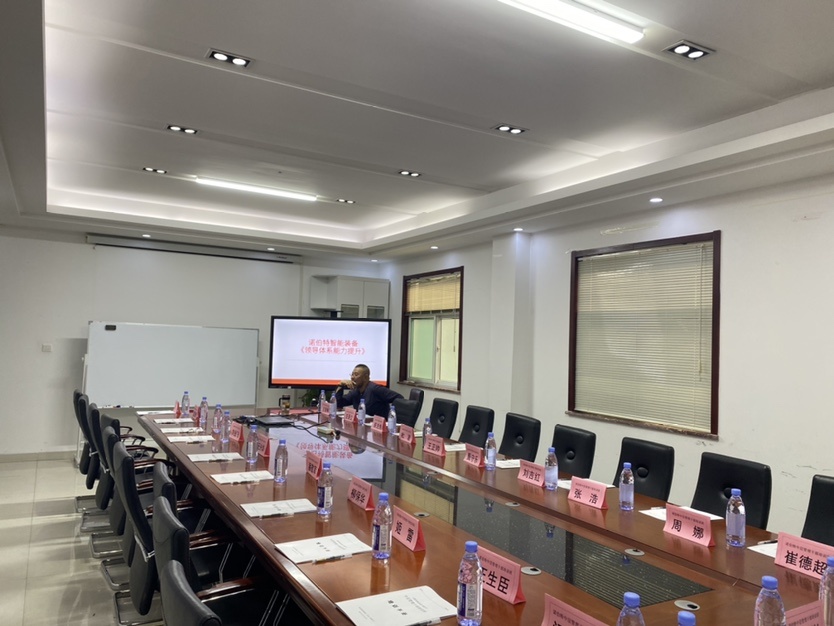
This training event not only provided a valuable learning opportunity for company managers and key personnel, but also built a platform for communication and sharing. During the training, everyone actively interacted and discussed enthusiastically, exploring effective ways to improve management capabilities together. Through this training, everyone has gained rich knowledge and skills, but more importantly, it has inspired confidence and motivation for the future.
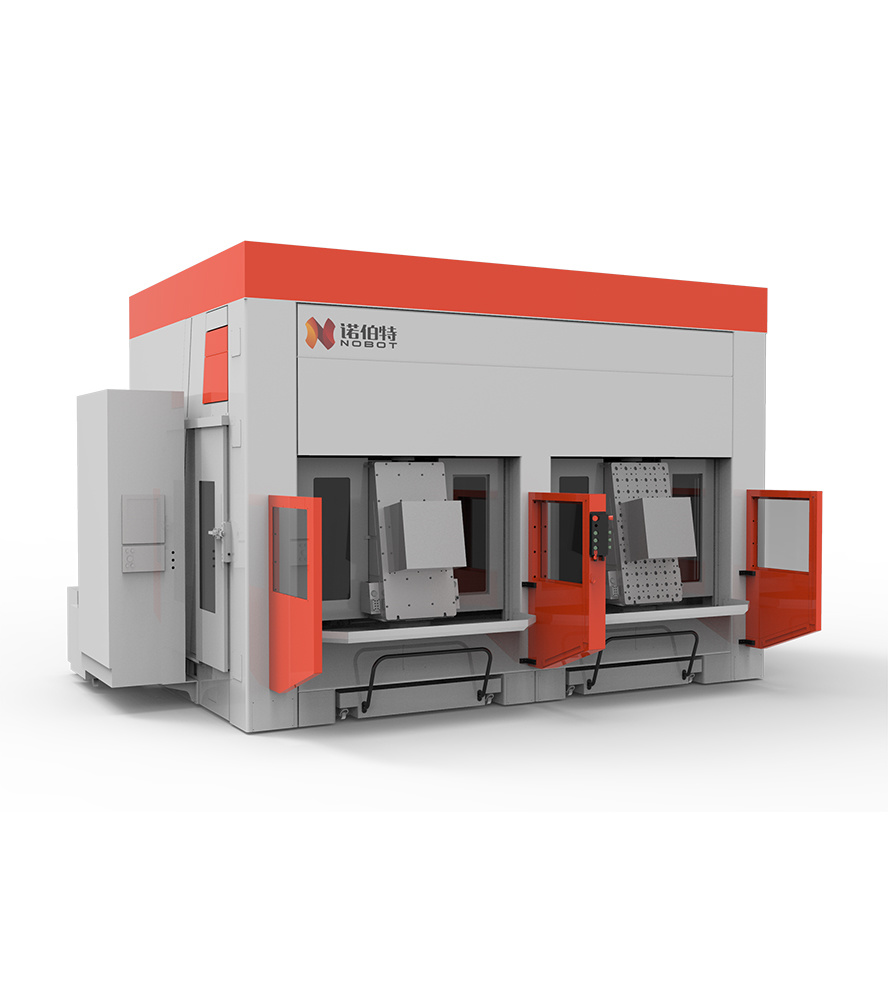
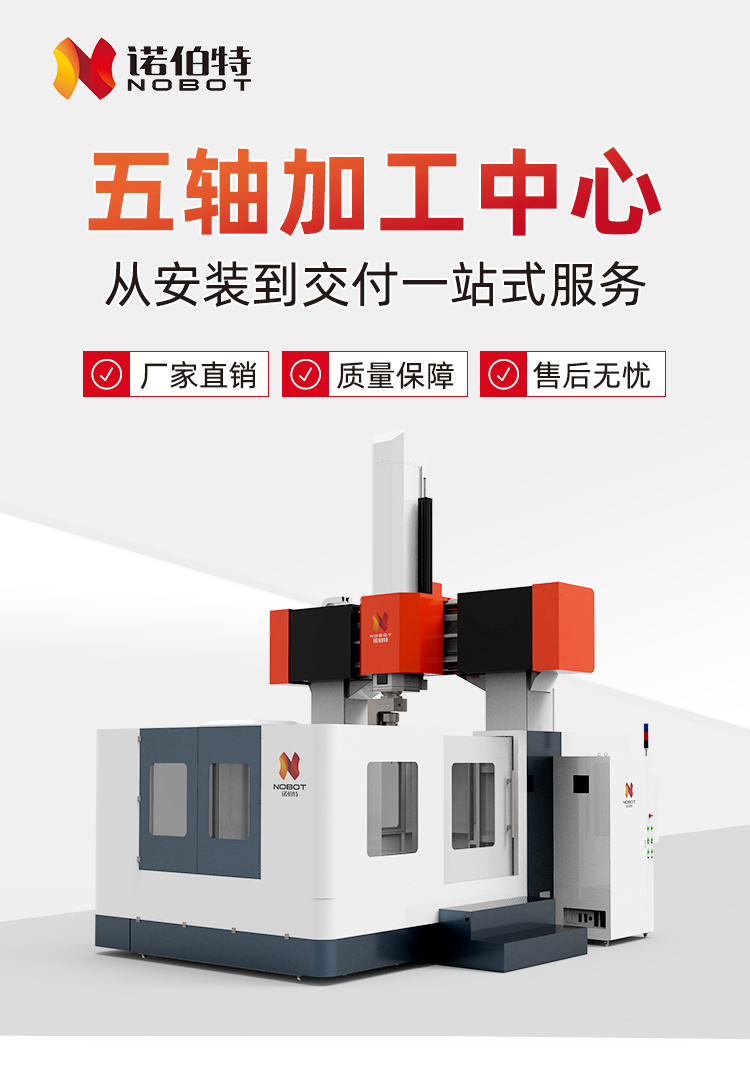
How to use a five-axis machining center efficiently? Today, let's learn a few practical steps!
When using a five-axis machining center, the equipment must first be adjusted to ensure that the workpiece and fixture dimensions precisely match, and that the zero points of each axis are accurately adjusted.
Why do composite materials require 5-axis CNC machining?
Composite materials are widely used in various fields such as aerospace, automotive, construction, energy, energy storage, infrastructure, marine, pipelines and tanks, sports and entertainment, and transportation due to their light weight, high fatigue resistance, and strong fracture resistance. Among them, aerospace and automotive industries are the largest application markets for composite materials. Five-axis CNC plays an important role in the processing of composite materials. Why do composite materials need to be processed using five-axis CNC?
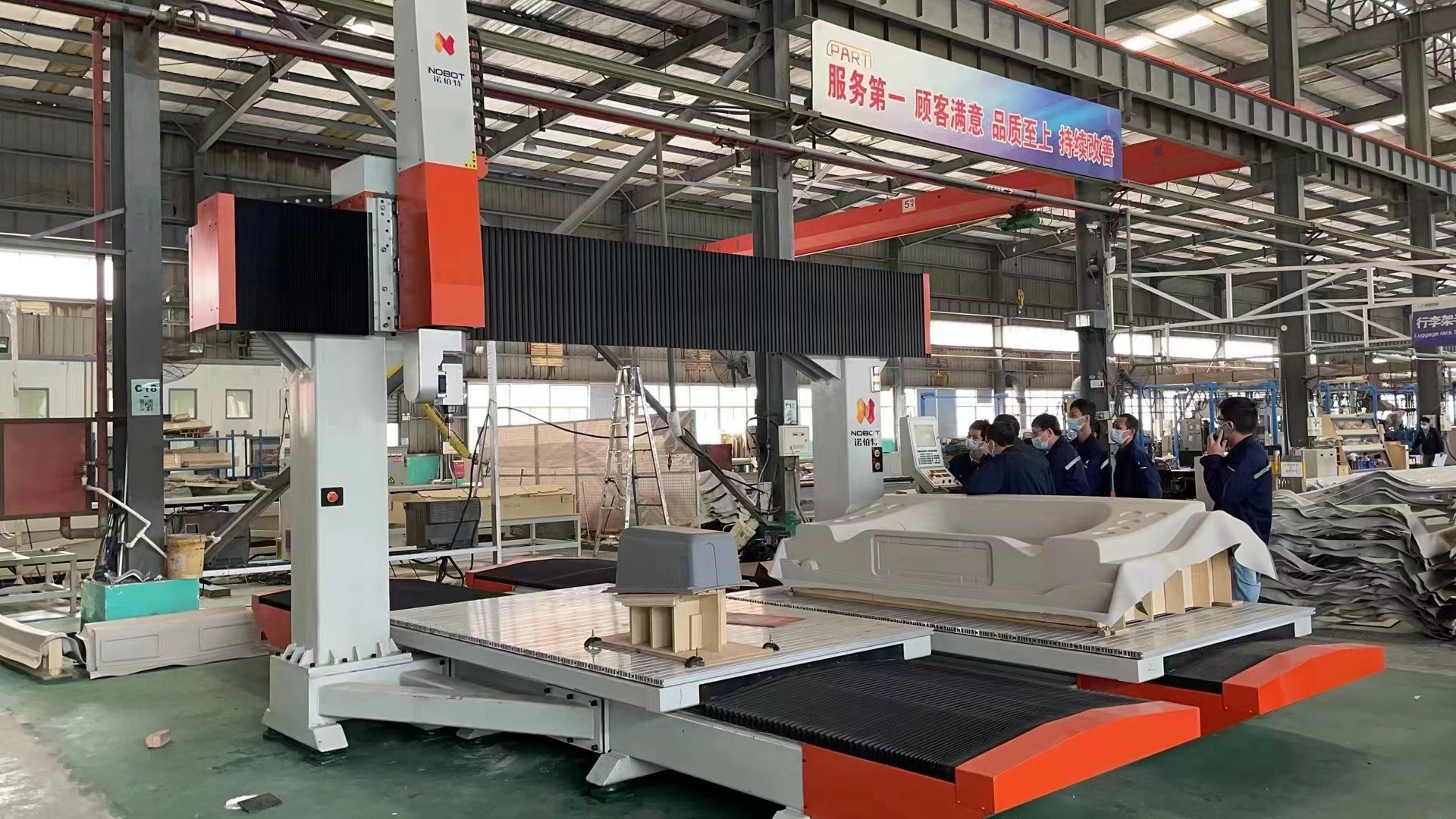
Dual-station five-axis machines offer several significant advantages. First, while one station is being machined, the other can be used for material loading and unloading, ensuring continuous, non-stop machining and significantly improving production efficiency. Second, the dual-station design makes operation more convenient and reduces waiting time. However, dual-station five-axis machines typically cost more than single-station machines and may require more operating and maintenance space.
Nobot Intelligent Equipment Group Co., Ltd.
Pre-sales consultation:86-635-2932233
Fax:86-635-2945333
After-sales consultation:86-635-5086881 / 86-635-2936881
National unified service hotline:86-400-823-3356
Email:nuobote@nobot.cc
Address: No. 1 Plant, No. 88 Huanghe Road, Gaoxin District, Liaocheng City, Shandong Province

copyright © 2025 Nobot Intelligent Equipment Group Co., Ltd.