
NOBOT

In the era of collaborative robots, smart factories will become a reality

Published Time:

Oct 09,2018

Better automation will create a powerful ripple effect that will change manufacturing as we know it. Factories will relocate, less willing to operate in low-wage labor markets. There may be a surge in jobs related to robot management in factories. New investments in collaborative robotics are expected to bring about large-scale productivity improvements.


Typically, industrial robots are large, caged devices used to replace humans in repetitive and dangerous tasks. However, with the revolution of smartphones and the development of self-driving cars, smaller, more dexterous, and lower-cost robots have entered factories.

These lighter, lower-cost robots can be equipped with sensors , enabling them to work collaboratively with humans in industrial settings, becoming “cobots” (collaborative robots). Robots can perform specific tasks such as grasping small objects, observing, and even learning to handle “edge cases”.

Historically, the robotics industry has been plagued by several issues:

1. Vision problems: The visual technology that allows robots to identify and navigate objects (including people) has been slow to improve, with companies relying on cages to protect humans, thus eliminating the possibility of close-range manipulation.

2. Dexterity problems: Robot gripping and mechanical capabilities remain limited.

3. Low return on investment: The high price of expensive robots coupled with low labor costs has hindered widespread adoption in fields such as agriculture and manufacturing. robotics demand.

Collaborative robots will address these technological challenges and transform industries such as manufacturing, e-commerce, agriculture, and food service.

New visual technology

As robots are increasingly used in factories around the world, the development of vision systems that enable robots to identify objects and navigate safely is becoming a priority.

Many robots function in highly structured environments, performing repetitive tasks. Therefore, traditional safety measures usually consist of a cage, which simply and effectively avoids the dangers of human-robot contact. But now, things are changing.

In recent years, visual hardware (such as lidar) has become cheaper, more efficient, and more widely used. Today, many startups are using collaborative robots based on new visual technologies, equipped with sensors that allow human employees to operate alongside them.

Around 1996, many different shapes and sizes of collaborative robots were invented, designed for human workplaces. These robots are easy to reprogram, relatively autonomous, and far less powerful than low-tech industrial robots.

Collaborative robots have found a “sweet spot” in small factory environments, performing 3D printing , manufacturing medical equipment, or completing more cognitive tasks such as warehouse order picking, where human employees are also involved.

Robot cognition

Teaching robots to adapt to environments ( map) and manipulate objects is a challenging task. Fortunately, research advances from Google’s DeepMind and UC Berkeley have successfully demonstrated the feasibility of “one-shot learning,” where collaborative robots can identify new objects without large amounts of training data.

Future robots may only need to observe the workflow of human employees to learn tasks; or operators can use VR gestures for programming (a method pioneered by Cobot), enabling the robot to master the way of working.

While this technology still has a long way to go, today’s technology is mature enough to allow robots and humans to work together. Currently, collaborative robots and their buddies AGVs (Automated Guided Vehicles/transport robots), have become standard equipment in manufacturing and warehouse environments.

Robots can easily perform repetitive, predictable tasks.

However, for tasks that are relatively unstructured, such as picking an item from a randomly categorized set, which corresponds to many more unique scenarios, special algorithms are required. In a truly collaborative setting, transport robots must autonomously “see” the actions of human employees and respond accordingly.

Developing algorithms to handle these edge cases has become a cutting-edge topic in artificial intelligence ( AI), computer vision, and autonomous driving research.

In artificial intelligence and machine learning, the automated path for 90% of scenarios is easy—the difficulty lies in the last “kilometer.” Benedict Evans of top venture capital firm A16Z points out that machine learning is about solving problems that are difficult for machines but easy for humans, or problems that are difficult for humans to describe in computer language.


With the widespread adoption of machine learning tools, startups are focusing on computer vision to support a new wave of robotics.

Many people are now considering how automation is transforming factories and replacing workers. Although collaborative robots have a good core ——human-robot collaboration, there is no doubt that this technology will disrupt existing factory models. With growing demand and technology, collaborative robots are on the verge of a watershed moment.

Better automation will create powerful ripple effects that will change manufacturing as we know it. Factories will relocate, less willing to operate in low-wage labor markets. Factory jobs related to robot management may surge. Collaborative robotics new investments are expected to bring about large-scale productivity improvements.

The way companies integrate technology and the policies governments set for the next economic phase will have a profound impact on future human-robot collaboration models, production costs, and effectiveness.

Structural labor shortages in manufacturing, agriculture, construction, and other sectors, coupled with the maturity of collaborative robot-related technologies, have directly led to significant growth in this market and made it an important application scenario for artificial intelligence technology, especially machine vision technology. Currently, some successful cases have verified the high return on investment of collaborative robots, and the involvement of traditional robot giants will accelerate the development of this industry.


BLOGS

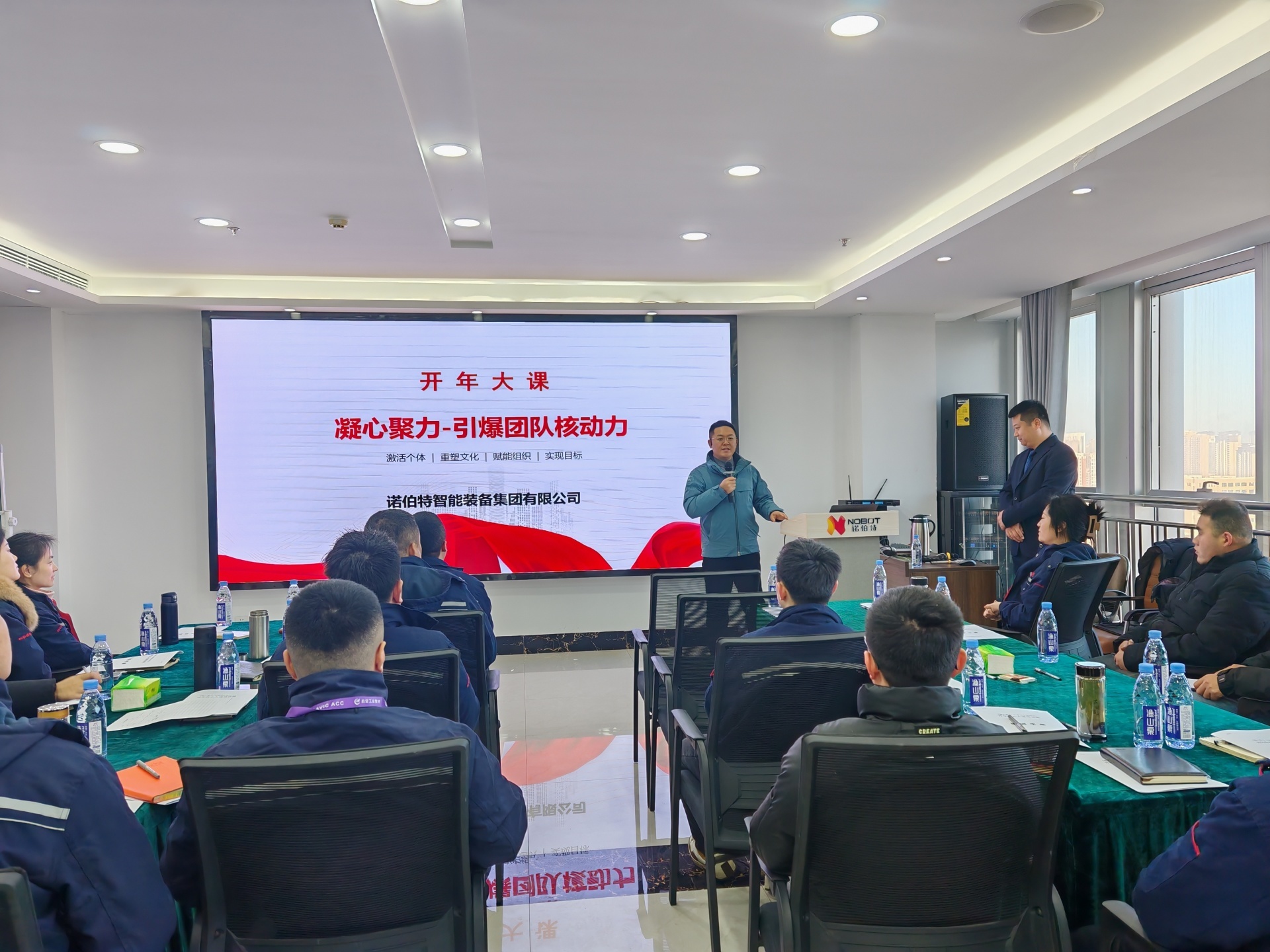
Nobot Group's 2025 Kick-off Event: A Team Building Activity Focused on Unity and Power

This opening ceremony was both a knowledge-boosting session, allowing employees to continuously grow through learning, and a team-building event, bringing everyone closer together. It impressed upon each employee that in today's increasingly competitive market, only by continuously learning new knowledge, daring to innovate, and maintaining teamwork can we remain undefeated. With the collective efforts of all employees, Nobot will surely ride the waves and achieve even greater success on this new journey, steadily advancing towards higher goals!
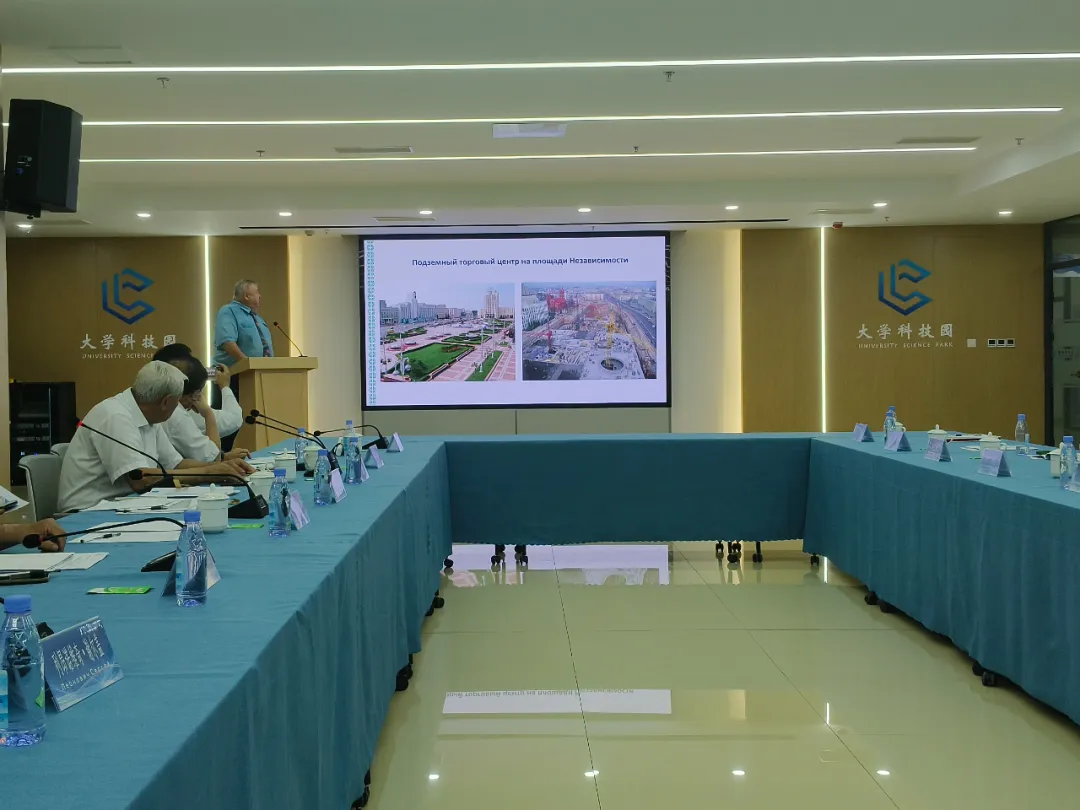
Nobot was invited to attend the Belt and Road International Exchange Conference

On July 28, 2024, the 2024 Liaocheng "Belt and Road" International Exchange Conference and the Unveiling Ceremony of the Central Asia International High-end Talent Joint Training Base were held in the Liaocheng High-tech Zone University Science and Technology Park. Professor Tursunbayev Zaporotot, President of Osh Technological University of the Kyrgyz Republic and corresponding academician of the Kyrgyz Academy of Engineering, and Academician Smaylor Erta of the Kyrgyz Academy of Engineering and the Russian Academy of Natural Sciences, among other experts and scholars from "Belt and Road" countries, participated in the event. Liaocheng Deputy Mayor Wang Gang and Zhang Ya, Party Secretary and Director of the Management Committee of the High-tech Zone, attended the event and delivered speeches.

Learning and empowerment, management empowerment, unity and strength, consolidating the "waist" - Nobot intelligent equipment launched a 2024 annual training program for middle-level managers

This training event not only provided a valuable learning opportunity for company managers and key personnel, but also built a platform for communication and sharing. During the training, everyone actively interacted and discussed enthusiastically, exploring effective ways to improve management capabilities together. Through this training, everyone has gained rich knowledge and skills, but more importantly, it has inspired confidence and motivation for the future.
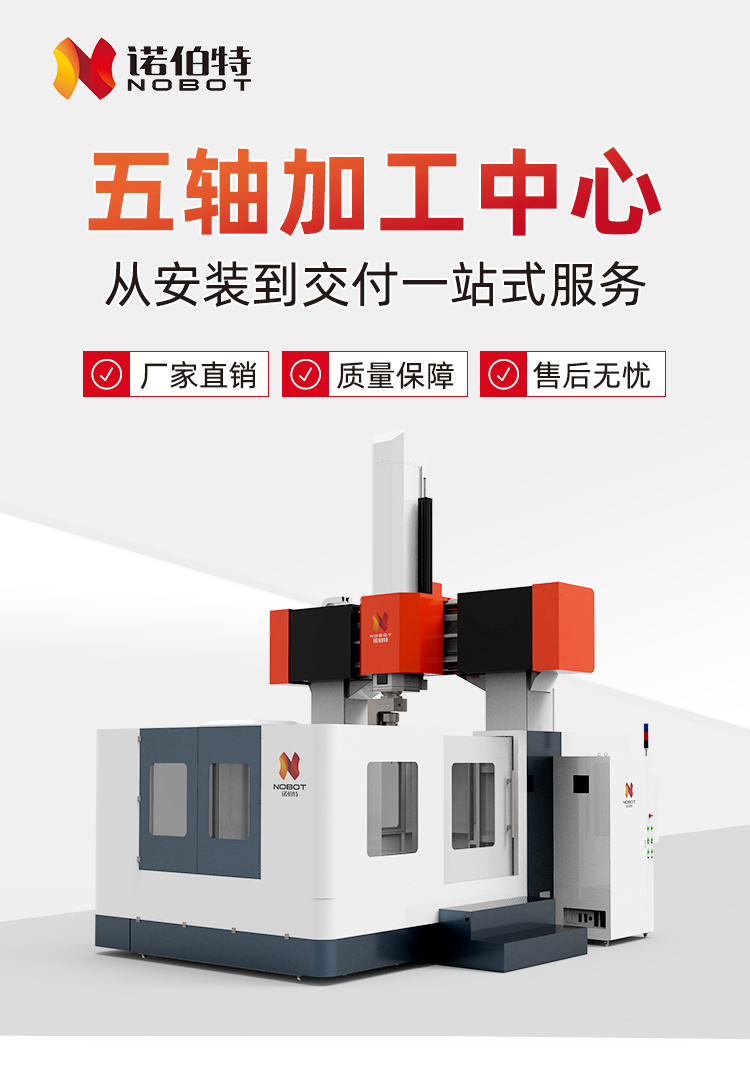
How to use a five-axis machining center efficiently? Today, let's learn a few practical steps!

When using a five-axis machining center, the equipment must first be adjusted to ensure that the workpiece and fixture dimensions precisely match, and that the zero points of each axis are accurately adjusted.
Why do composite materials require 5-axis CNC machining?

Composite materials are widely used in various fields such as aerospace, automotive, construction, energy, energy storage, infrastructure, marine, pipelines and tanks, sports and entertainment, and transportation due to their light weight, high fatigue resistance, and strong fracture resistance. Among them, aerospace and automotive industries are the largest application markets for composite materials. Five-axis CNC plays an important role in the processing of composite materials. Why do composite materials need to be processed using five-axis CNC?
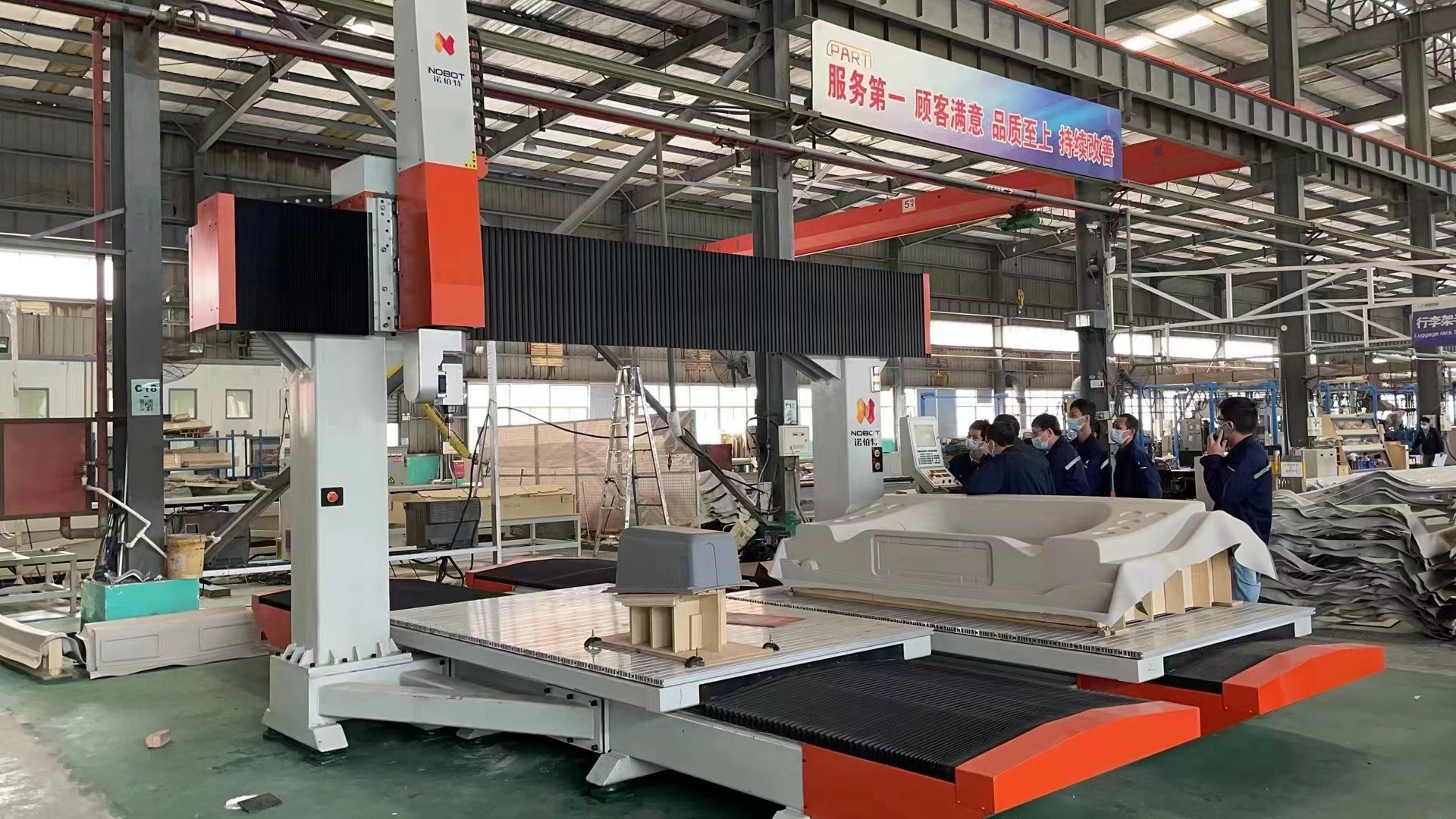
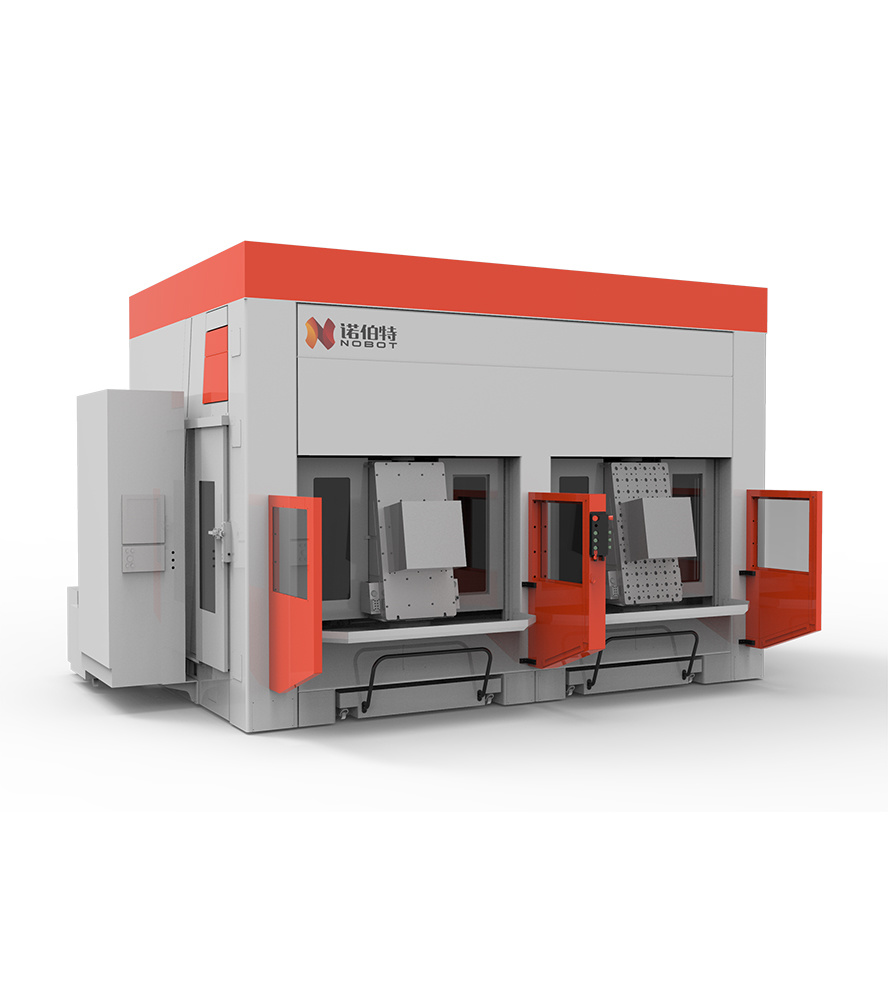
For businesses, when choosing a five-axis machine, should a dual-station or single-station model be selected?

Dual-station five-axis machines offer several significant advantages. First, while one station is being machined, the other can be used for material loading and unloading, ensuring continuous, non-stop machining and significantly improving production efficiency. Second, the dual-station design makes operation more convenient and reduces waiting time. However, dual-station five-axis machines typically cost more than single-station machines and may require more operating and maintenance space.