

-
-
-
Application

-
-
-
-
Service
Intelligent Equipment - NobotAGV Vehicle
Published Time:
Aug 31,2018
AGVs are characterized by wheeled movement, and compared with walking, crawling, or other non-wheeled mobile robots, they have advantages such as fast movement, high work efficiency, simple structure, strong controllability, and good safety. Compared with stackers, monorail trolleys, conveyors, conveyor chains, conveyor tracks, and fixed robots commonly used in material handling, AGVs do not require the laying of tracks, supports, or other fixed devices in their activity areas, and are not restricted by the site, roads, and space. Therefore, in automated material handling systems, they can best fully embody their automaticity and flexibility, achieving efficient, economical, and flexible unmanned production. AGVs are widely used in factories and enterprises.
According to Navigation methods during AGV automatic driving Nobot will AGVs are divided into the following types:
1. Electromagnetic induction guided AGV
Electromagnetic induction guidance usually involves The original text is in Chinese and cannot be directly translated due to its technical nature and length. It describes the electromagnetic induction guidance system used in AGVs.

2. Laser guided AGV
This autonomous mobile vehicle is equipped with a rotating laser scanner The original text is in Chinese and cannot be directly translated due to its technical nature and length. It describes how laser guided AGVs use laser scanners and reflectors to determine position and orientation.
Currently, this AGV is becoming increasingly common. Based on the same guidance principle, if a laser scanner replaces an infrared emitter or an ultrasonic emitter, it is beneficial for the AGV to become an infrared laser guided AGV and an ultrasonic guided AGV.

3. Visual guided AGV
AGV is a rapidly developing and mature AGV. The AGV is equipped with a CCD camera and sensors, and an environmental image database is established on the onboard computer. During the AGV process, the camera dynamically acquires information about the surrounding environment and compares it with the image database to determine the next position and decision.
Because AGV does not require any physical path setting, it is theoretically the best guide. With the rapid development of computer image acquisition, storage and processing technology, AGV is becoming stronger and stronger.
In addition, Nobot There are also ferromagnetic gyro inertial guided AGV, optical guided AGV and other forms of AGV.

Nobot AGV vehicle structure:
1. Body
The physical main part of the AGV, composed of the chassis and corresponding mechanical devices, is the installation base for other assembly components.
2. Drive power device
AGVs usually use 24V and 48V DC batteries as power. Lead-acid batteries or lithium batteries are often used. Lithium batteries can be automatically charged and can work 24 hours a day.
3. Drive device
It consists of wheels, reducers, brakes, drive motors and speed controllers, and is a device that controls the normal operation of the AGV. Its operation instructions are issued by the computer or manual control. The running speed, direction, and braking are controlled by the computer. For safety, the braking device can be mechanically braked when the power is off.
4. Guiding device
Magnetic induction sensor + landmark sensor, receives the directional information of the guidance system, and realizes the forward, backward, branching, and exiting actions of the AGV through the guidance + landmark sensor.
5. Onboard controller
Receives instructions from the control center and executes the corresponding instructions, while timely feeding back its own status (such as position, speed, etc.) to the control center.
6. Communication device
Realizes information exchange between the AGV and the ground control station and ground monitoring equipment.
7. Safety protection device
Obstacle sensor + physical collision prevention (black leather strap issued by the sensor) + emergency stop switch, mainly for the protection of people, the AGV itself or other equipment.
8. Carrying device
Tow bar: Directly contacts the goods to be transported and realizes the device for transporting goods.
9. Information transmission and processing device
Advantages of Nobot AGV vehicle
1. Replace manual handling, reduce labor intensity;
2. Strong combinability, material car plus drive control unit can be easily realized;
3. Good flexibility, high degree of automation and high level of intelligence. The driving path of AGV can be flexibly changed according to the requirements of warehouse storage locations, production process flow, etc., and the cost of changing the running path is very low compared with traditional conveyor belts and rigid conveyors.
4. Advanced: AGV integrates light, machinery, electricity, and computers, and integrates advanced theories and application technologies in today's scientific and technological fields. Strong guidance ability, high positioning accuracy, and good automatic driving operation performance. Reduce labor, reduce the loss of manual operation; reduce personnel, save time, shorten personnel configuration; can enter and exit places where personnel are inconvenient to enter, optimize production structure, and save manpower, material resources, and financial resources.
5. Quick action: AGV is characterized by wheel-type movement. Compared with walking, crawling or other non-wheel-type mobile robots, it has the advantages of quick action, high work efficiency, simple structure, strong controllability, and good safety. Compared with stackers, monorail trolleys, conveyor belts, conveyor chains, conveyor tracks and fixed robots commonly used in material handling, AGV's activity area does not need to lay tracks, supports, etc. fixed devices, and is not limited by the site, roads and space. Therefore, in automated material
6. It is very simple to adjust the production layout changes, installation and debugging can be carried out during production time without affecting production, the trajectory changes are flexible, and the layout can be changed at any time without affecting production.
7. The investment cycle is 1-2 months, and the transformation cycle is 1 day to 1 week. Compared with logistics line equipment, the investment cycle is shortened by half, and the transformation cycle is shortened by more than 8 times.
8. Compared with logistics line equipment, the construction cost is significantly reduced. The operating cost is extremely low power consumption, and there is no waste from idle operation of logistics line equipment. When the production layout changes, the transformation cost is extremely low, only requiring changes to the track, resulting in zero waste.
BLOGS
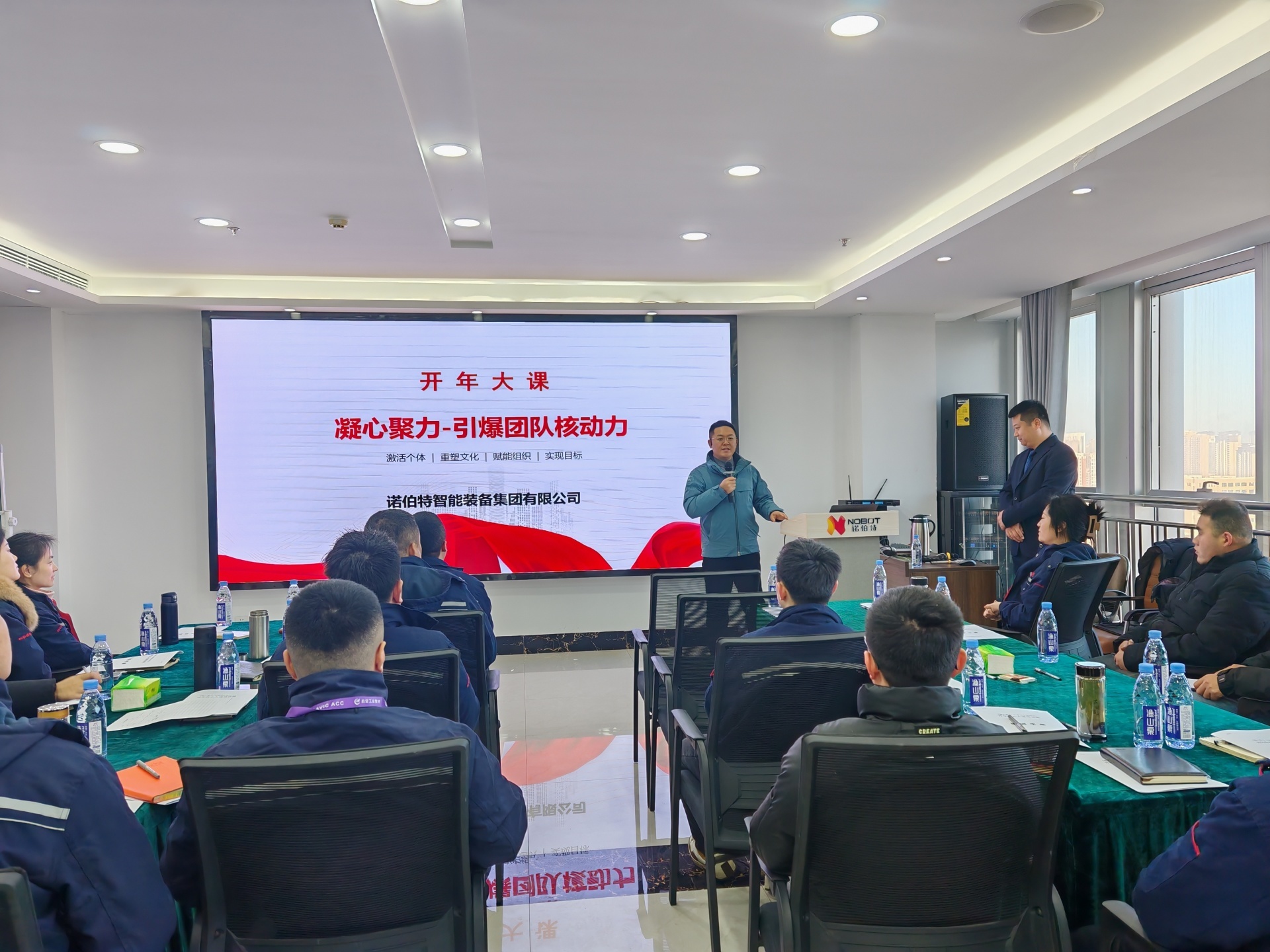
Nobot Group's 2025 Kick-off Event: A Team Building Activity Focused on Unity and Power
This opening ceremony was both a knowledge-boosting session, allowing employees to continuously grow through learning, and a team-building event, bringing everyone closer together. It impressed upon each employee that in today's increasingly competitive market, only by continuously learning new knowledge, daring to innovate, and maintaining teamwork can we remain undefeated. With the collective efforts of all employees, Nobot will surely ride the waves and achieve even greater success on this new journey, steadily advancing towards higher goals!
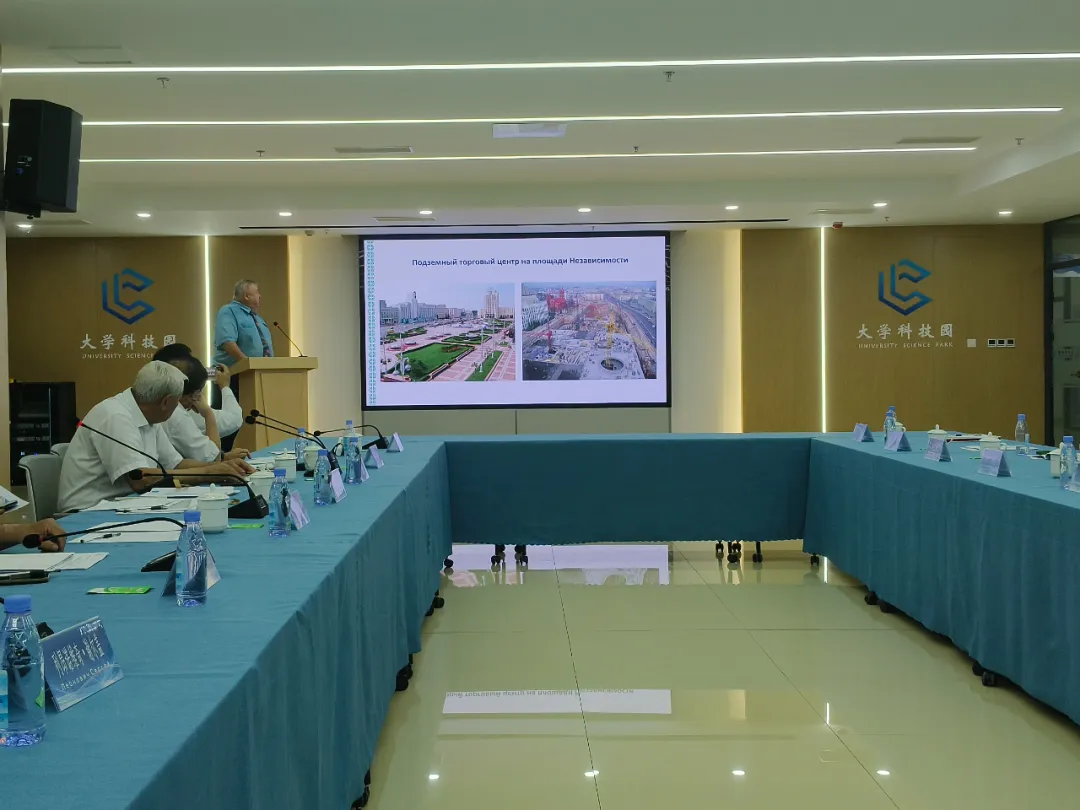
Nobot was invited to attend the Belt and Road International Exchange Conference
On July 28, 2024, the 2024 Liaocheng "Belt and Road" International Exchange Conference and the Unveiling Ceremony of the Central Asia International High-end Talent Joint Training Base were held in the Liaocheng High-tech Zone University Science and Technology Park. Professor Tursunbayev Zaporotot, President of Osh Technological University of the Kyrgyz Republic and corresponding academician of the Kyrgyz Academy of Engineering, and Academician Smaylor Erta of the Kyrgyz Academy of Engineering and the Russian Academy of Natural Sciences, among other experts and scholars from "Belt and Road" countries, participated in the event. Liaocheng Deputy Mayor Wang Gang and Zhang Ya, Party Secretary and Director of the Management Committee of the High-tech Zone, attended the event and delivered speeches.
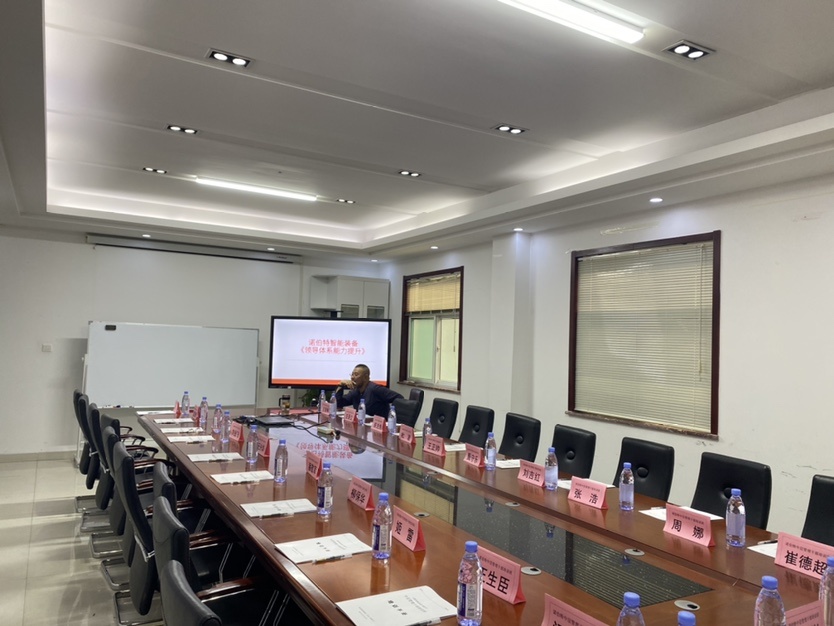
This training event not only provided a valuable learning opportunity for company managers and key personnel, but also built a platform for communication and sharing. During the training, everyone actively interacted and discussed enthusiastically, exploring effective ways to improve management capabilities together. Through this training, everyone has gained rich knowledge and skills, but more importantly, it has inspired confidence and motivation for the future.
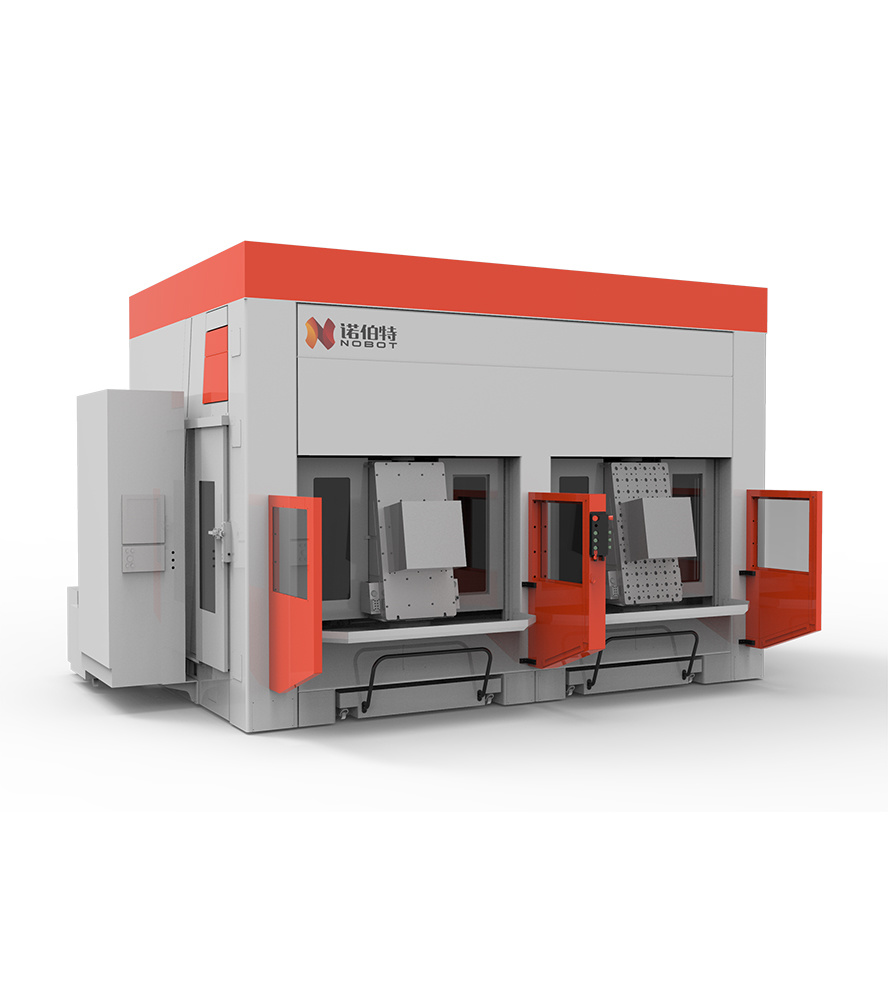
How to use a five-axis machining center efficiently? Today, let's learn a few practical steps!
When using a five-axis machining center, the equipment must first be adjusted to ensure that the workpiece and fixture dimensions precisely match, and that the zero points of each axis are accurately adjusted.
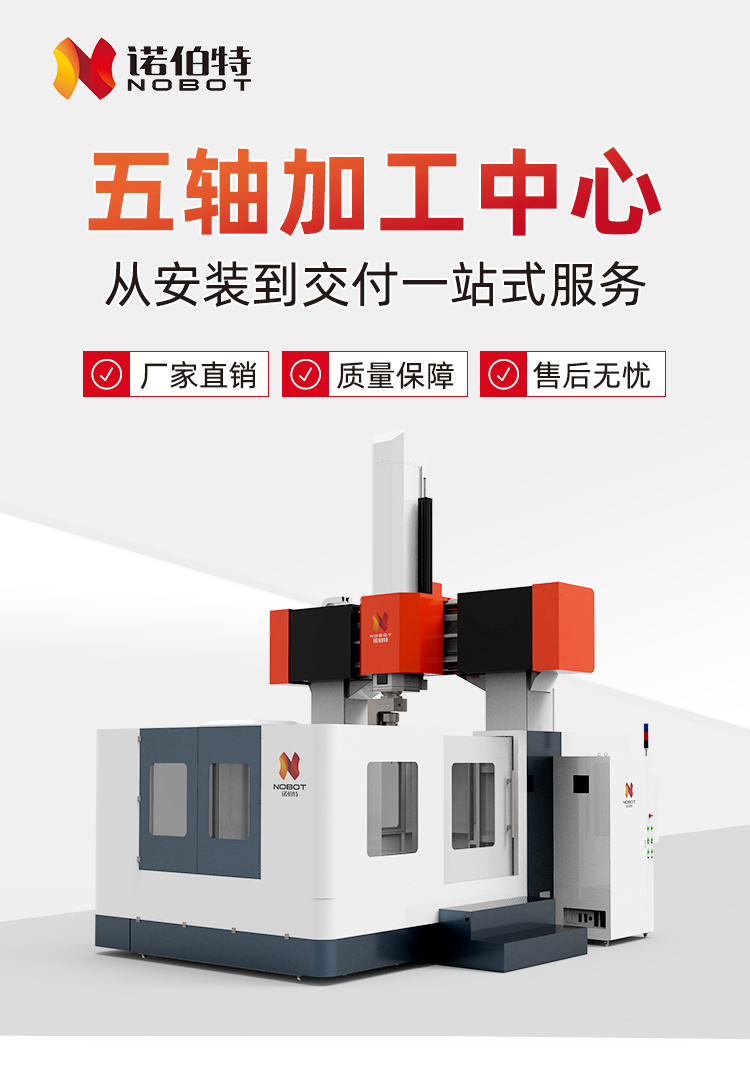
Why do composite materials require 5-axis CNC machining?
Composite materials are widely used in various fields such as aerospace, automotive, construction, energy, energy storage, infrastructure, marine, pipelines and tanks, sports and entertainment, and transportation due to their light weight, high fatigue resistance, and strong fracture resistance. Among them, aerospace and automotive industries are the largest application markets for composite materials. Five-axis CNC plays an important role in the processing of composite materials. Why do composite materials need to be processed using five-axis CNC?
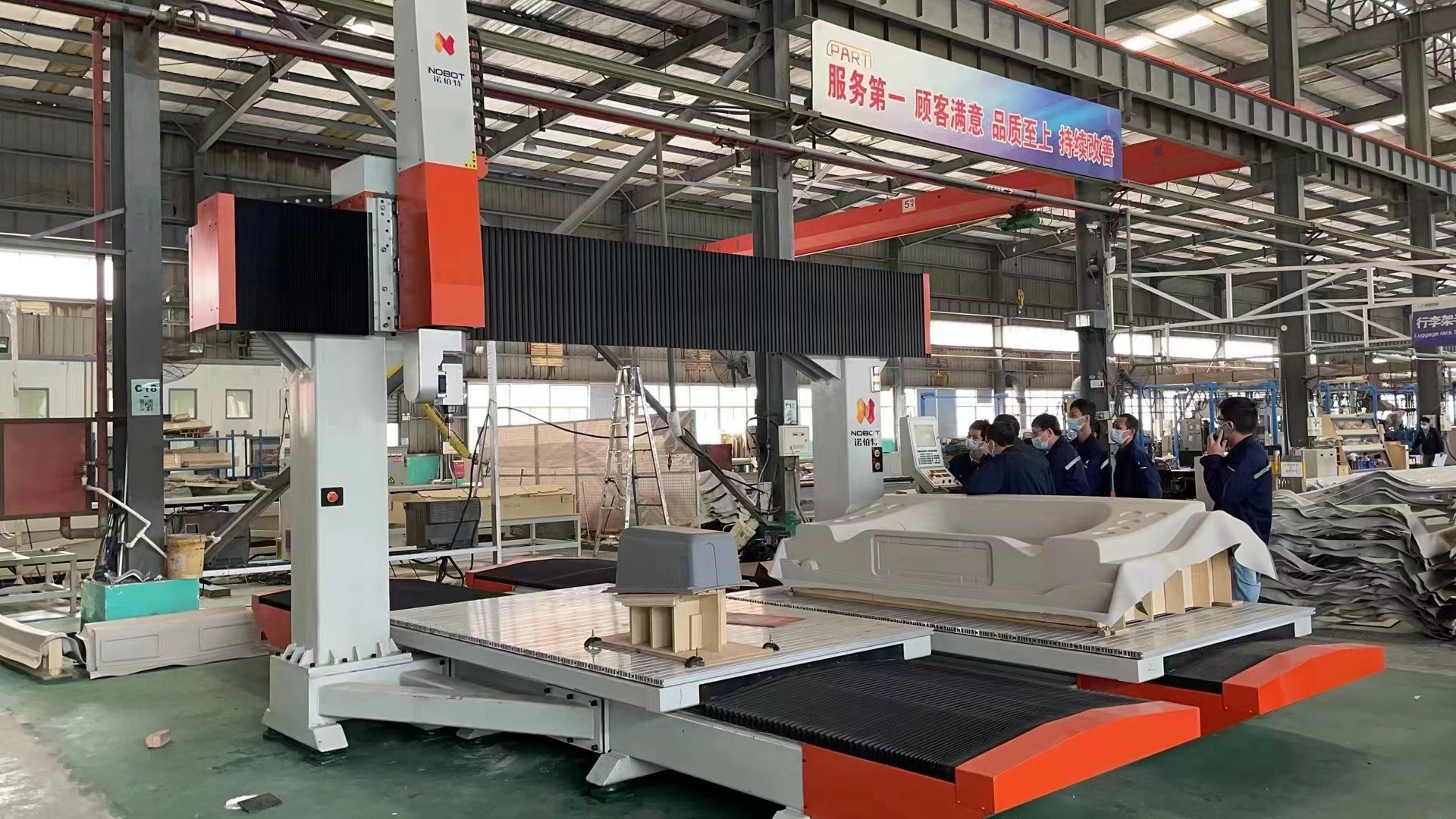
Dual-station five-axis machines offer several significant advantages. First, while one station is being machined, the other can be used for material loading and unloading, ensuring continuous, non-stop machining and significantly improving production efficiency. Second, the dual-station design makes operation more convenient and reduces waiting time. However, dual-station five-axis machines typically cost more than single-station machines and may require more operating and maintenance space.
Nobot Intelligent Equipment Group Co., Ltd.
Pre-sales consultation:86-635-2932233
Fax:86-635-2945333
After-sales consultation:86-635-5086881 / 86-635-2936881
National unified service hotline:86-400-823-3356
Email:nuobote@nobot.cc
Address: No. 1 Plant, No. 88 Huanghe Road, Gaoxin District, Liaocheng City, Shandong Province

copyright © 2025 Nobot Intelligent Equipment Group Co., Ltd.