

-
-
-
Application

-
-
-
-
Service
Industrial Robot Skills Training Platform - Nobot Smart Manufacturing Academy
Published Time:
Aug 31,2018
By 2020, the Chinese market will have a demand for 7.5 million robotics-related technical personnel, with a shortfall of 3 million. As a result, industrial robot skills training platforms specializing in training workers in various industries to use different types of robot arms have emerged - this can be seen as another refined scenario for the implementation of robots.

Today, countless robots on assembly lines are creating wealth for China; tomorrow, they will enter every corner of life, bringing you a high-quality life. This message was conveyed at the 2018 World Robot Conference held in Beijing on the 16th. Industrial robots still account for the majority of robots to date, particularly concentrated on assembly lines in automobile assembly, electronics manufacturing, and metal processing. Most industrial robots are engaged in handling and welding, and are also used for palletizing, packaging, spraying, cutting, and cleanrooms. The four countries of China, Japan, South Korea, and the United States account for three-quarters of the global industrial robot market. China became the world's largest market for industrial robots in 2013 and now accounts for one-third of global demand, with year-on-year growth rates consistently ranking first in the world. This strong growth is expected to continue in the coming years. The "China Robot Industry Development Report (2018)" (hereinafter referred to as the "Report"), released by the China Electronics Society during the conference, shows that from 2013 to 2018, the global robot market grew by an average of 15.1% per year, while China's growth rate was double that figure. Carol Irut from McKinsey predicted at the forum that in 2020, China's robot demand will account for 40% of the global total. The Report predicts that the global robot market in 2018 will reach $29.82 billion—$16.82 billion for industrial robots, $9.25 billion for service robots, and $3.75 billion for special robots (used in special situations such as disaster relief and security). China's 2018 robot market was $8.74 billion, with 71% belonging to industrial robots, exceeding the world average.

However, most of China's newly developed robot projects are service-oriented, indicating that the future structure will converge with that of developed countries. In the exhibition hall of the conference, it can also be seen that the number of exhibition booths for service robots (such as those used for education and entertainment) is no less than that of industrial robots. In 2018, China's service robot market is expected to reach $1.84 billion, a year-on-year increase of approximately 43.9%, higher than the global growth rate. Technological changes in industrial robots are still flourishing, mainly in terms of human-robot collaboration, making it safer and easier for humans to control robots; the average annual growth rate of the world service robot market far exceeds that of industrial robots; while in special robots, the United States, Japan, and Europe have a clear advantage. Currently, the Yangtze River Delta region has the strongest robot industry strength and the most complete industrial chain in China; the Pearl River Delta and Beijing-Tianjin-Hebei regions follow. The most sought-after exhibit at the conference was a robot making coffee. A robot coffee kiosk developed by Cheetah Mobile can skillfully and accurately prepare a fresh cup of coffee using two robotic arms, and create a beautiful milk foam design. "It imitates the techniques of a coffee master, but has an advantage over humans because every cup, from the ingredients to the latte art, is extremely precise, ensuring standardization," a Cheetah Mobile robotic arm product manager told the Science and Technology Daily reporter. This product manager introduced that this coffee kiosk is expected to be launched soon. A pair of robotic arms costs tens of thousands of yuan, but can work 24/7, making the overall cost far lower than manual labor. Robots will also take a share of the personalized customization market. Harbin Institute of Technology Robot Group's newly released network carving robot can be customized according to consumer needs, using a robotic arm to finely process jade, jewelry, wood, and metal. Simply select the raw materials, color, and pattern on the APP to purchase the robot's masterpiece. "To cultivate a jade carver of the same level may take ten or twenty years; the robot only needs to adjust the backend program," said a staff member.

The Report shows that the global robot industry is still growing rapidly, and the practical application scenarios of robots are continuously expanding, with new application scenarios and models emerging endlessly, such as garbage sorting, deep-sea mining, elderly care and assistance, and medical guidance. Service robots have also expanded from sweeping, delivering food to emotional interaction, companionship, education, rehabilitation, and supermarket applications. Especially with the advancement of technologies such as deep vision and artificial intelligence, unmanned vehicles have become the most promising breakthrough for service robots. "Robots are blooming in various industries, and this has also brought about the demand for related technical personnel, which means that more people need to learn how to use, maintain, and repair robots," Zhang Mingwen, vice president of Harbin Institute of Technology Robot Group, introduced in an interview with the Science and Technology Daily reporter. In the past, companies that introduced a small number of robots relied on the after-sales service of robot manufacturers and did not have relevant technical personnel. As the scale of robot application increases, companies need to equip themselves with specialized technical personnel to maintain, use, and repair robots.
Welcome parents to inquire and register! Telephone: 15376836881 Guo Teacher
BLOGS
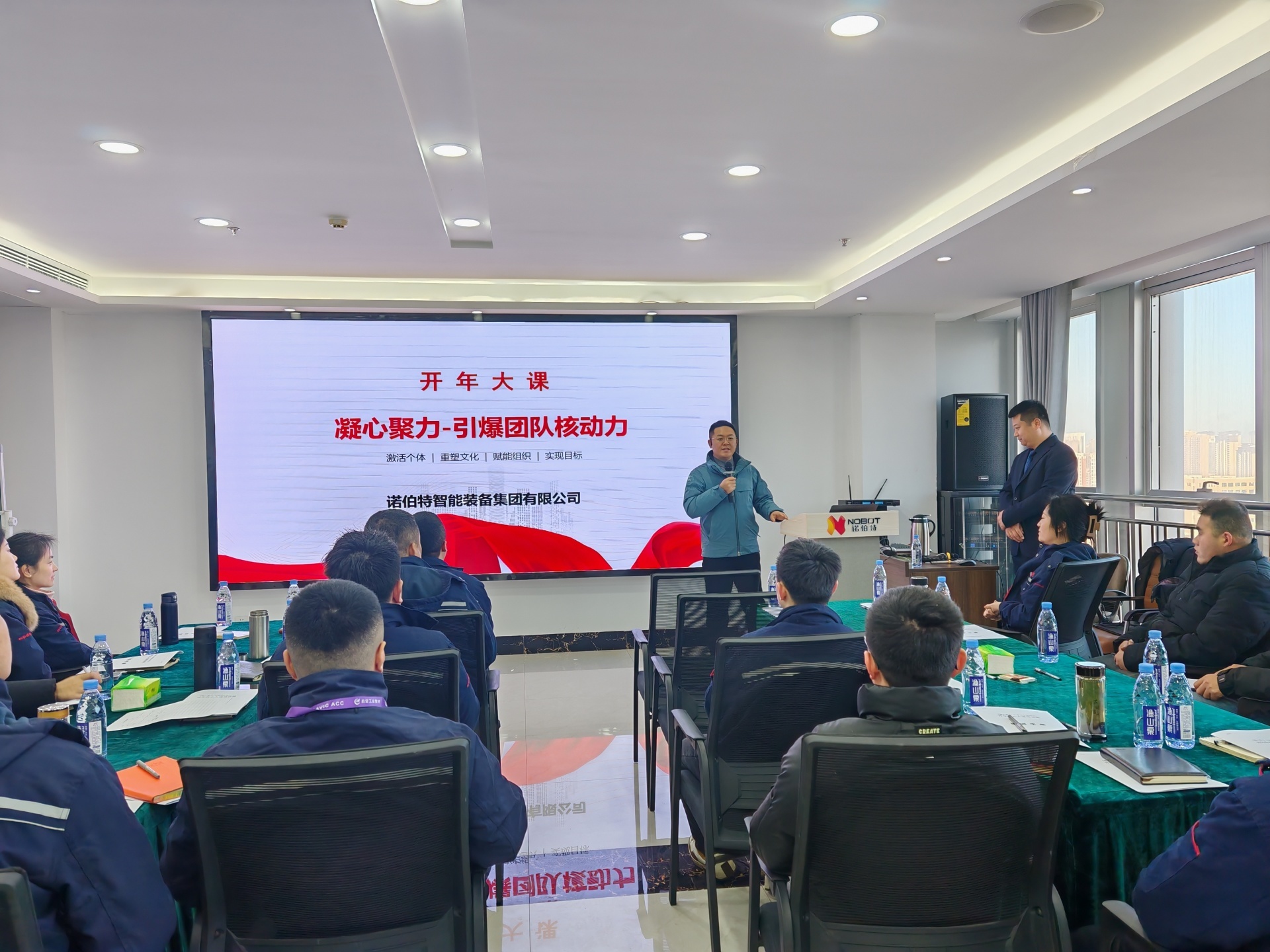
Nobot Group's 2025 Kick-off Event: A Team Building Activity Focused on Unity and Power
This opening ceremony was both a knowledge-boosting session, allowing employees to continuously grow through learning, and a team-building event, bringing everyone closer together. It impressed upon each employee that in today's increasingly competitive market, only by continuously learning new knowledge, daring to innovate, and maintaining teamwork can we remain undefeated. With the collective efforts of all employees, Nobot will surely ride the waves and achieve even greater success on this new journey, steadily advancing towards higher goals!
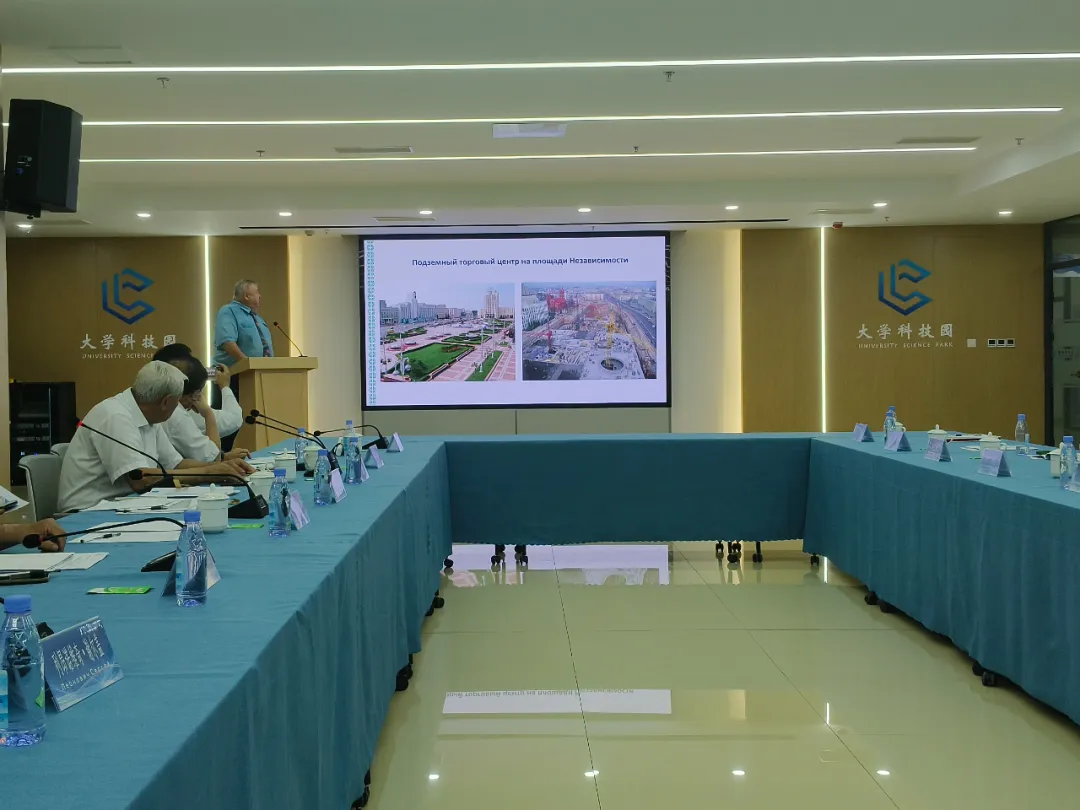
Nobot was invited to attend the Belt and Road International Exchange Conference
On July 28, 2024, the 2024 Liaocheng "Belt and Road" International Exchange Conference and the Unveiling Ceremony of the Central Asia International High-end Talent Joint Training Base were held in the Liaocheng High-tech Zone University Science and Technology Park. Professor Tursunbayev Zaporotot, President of Osh Technological University of the Kyrgyz Republic and corresponding academician of the Kyrgyz Academy of Engineering, and Academician Smaylor Erta of the Kyrgyz Academy of Engineering and the Russian Academy of Natural Sciences, among other experts and scholars from "Belt and Road" countries, participated in the event. Liaocheng Deputy Mayor Wang Gang and Zhang Ya, Party Secretary and Director of the Management Committee of the High-tech Zone, attended the event and delivered speeches.
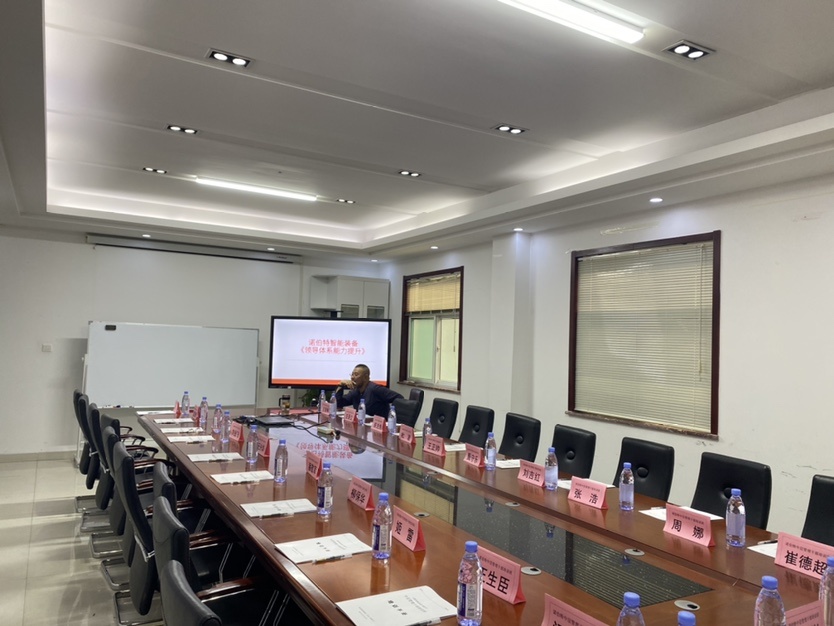
This training event not only provided a valuable learning opportunity for company managers and key personnel, but also built a platform for communication and sharing. During the training, everyone actively interacted and discussed enthusiastically, exploring effective ways to improve management capabilities together. Through this training, everyone has gained rich knowledge and skills, but more importantly, it has inspired confidence and motivation for the future.
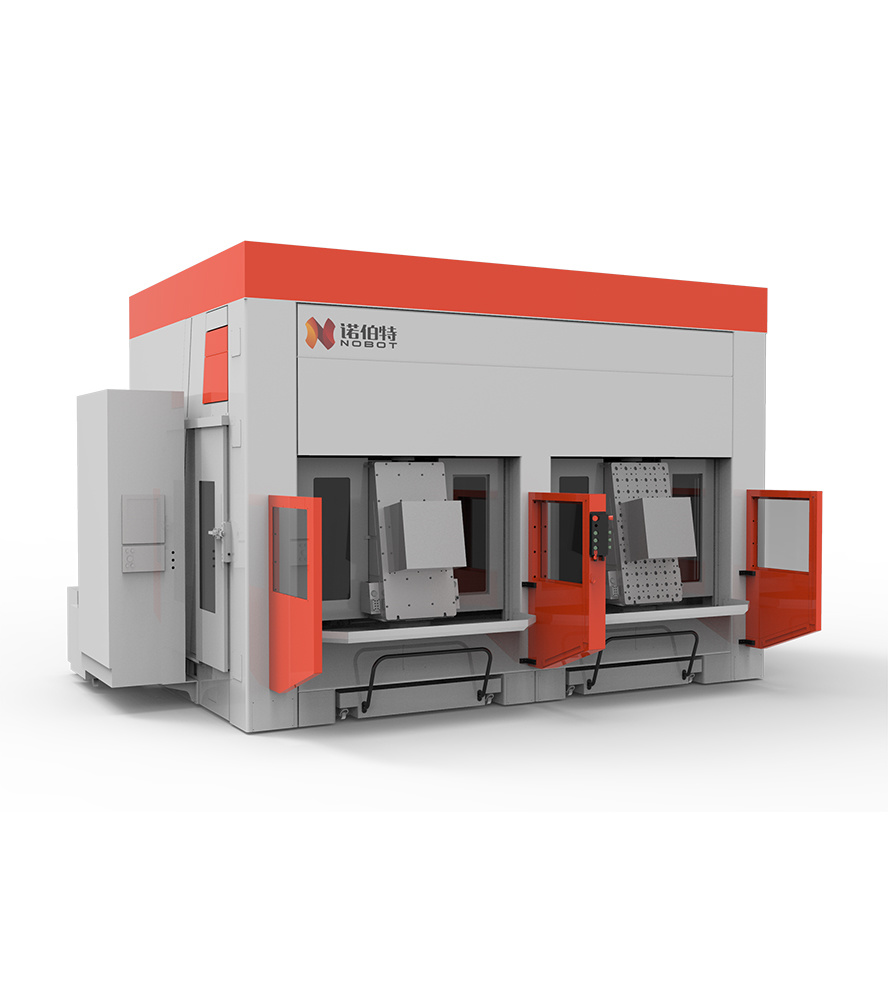
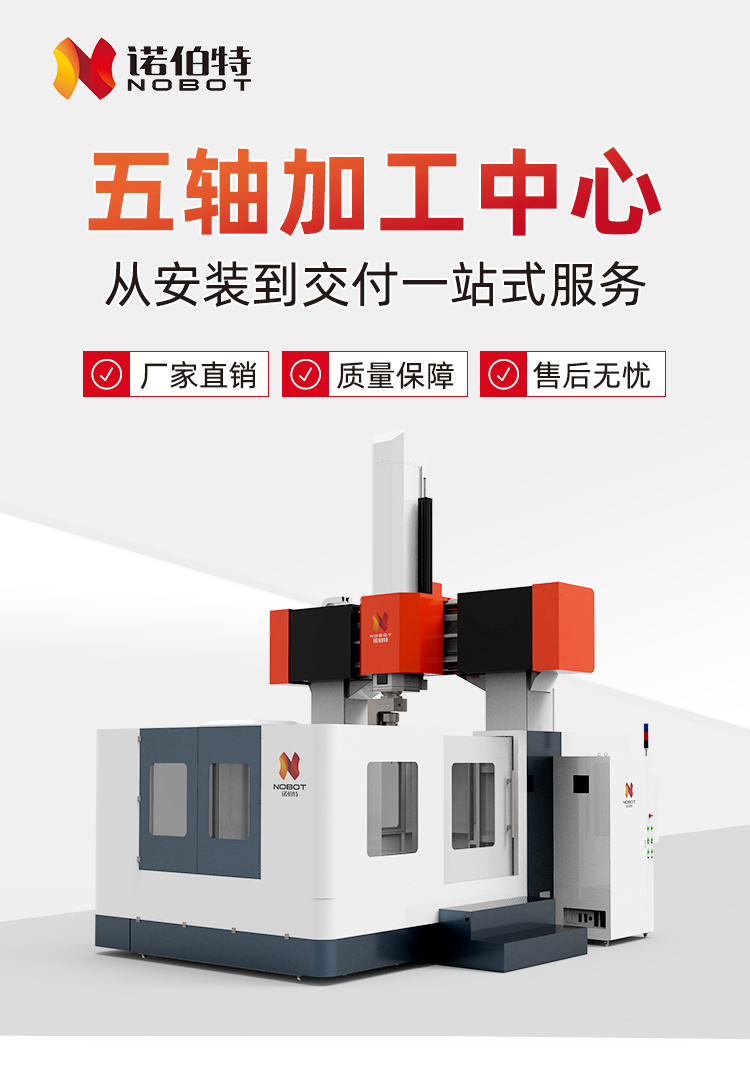
How to use a five-axis machining center efficiently? Today, let's learn a few practical steps!
When using a five-axis machining center, the equipment must first be adjusted to ensure that the workpiece and fixture dimensions precisely match, and that the zero points of each axis are accurately adjusted.
Why do composite materials require 5-axis CNC machining?
Composite materials are widely used in various fields such as aerospace, automotive, construction, energy, energy storage, infrastructure, marine, pipelines and tanks, sports and entertainment, and transportation due to their light weight, high fatigue resistance, and strong fracture resistance. Among them, aerospace and automotive industries are the largest application markets for composite materials. Five-axis CNC plays an important role in the processing of composite materials. Why do composite materials need to be processed using five-axis CNC?
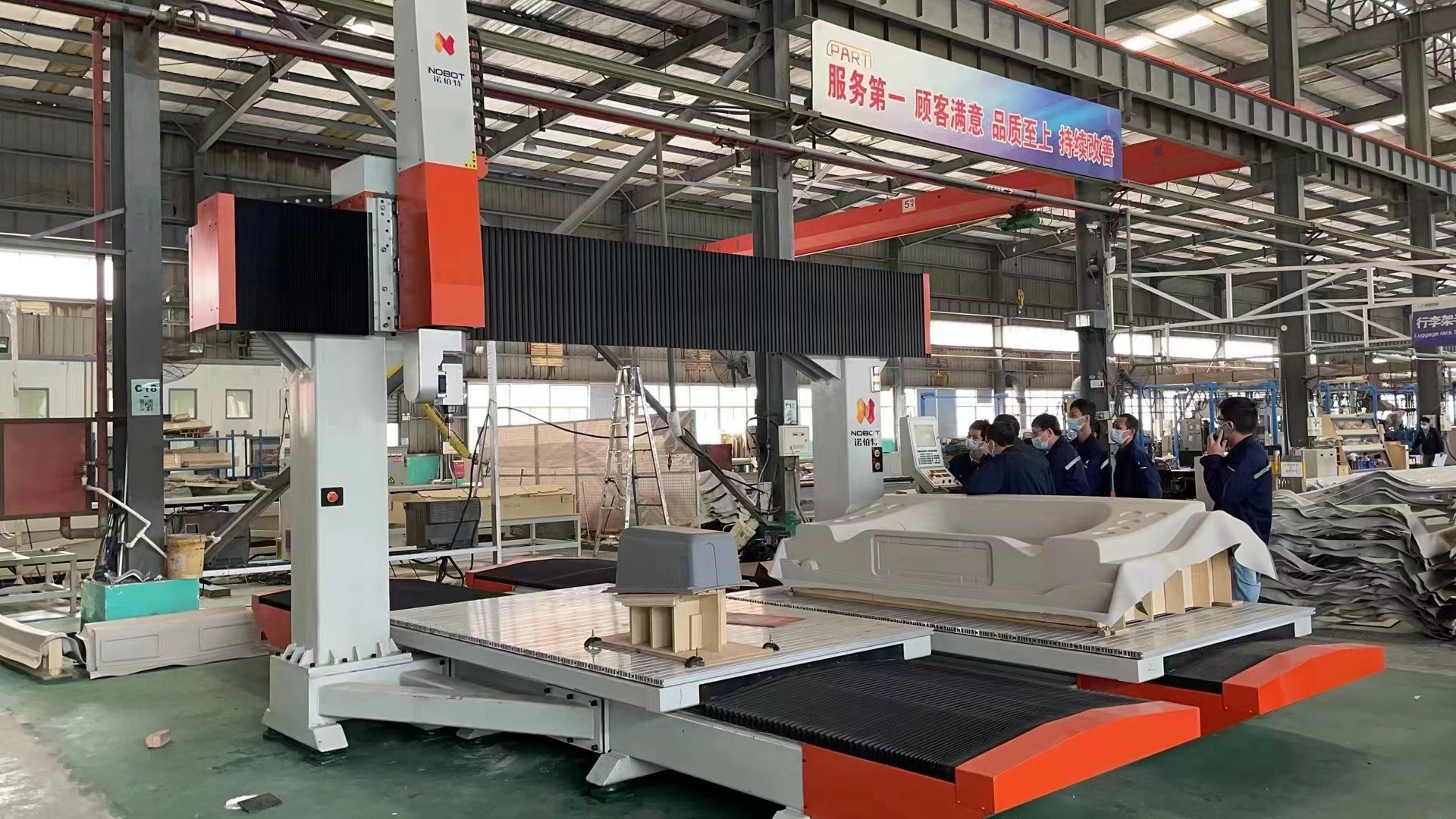
Dual-station five-axis machines offer several significant advantages. First, while one station is being machined, the other can be used for material loading and unloading, ensuring continuous, non-stop machining and significantly improving production efficiency. Second, the dual-station design makes operation more convenient and reduces waiting time. However, dual-station five-axis machines typically cost more than single-station machines and may require more operating and maintenance space.
Nobot Intelligent Equipment Group Co., Ltd.
Pre-sales consultation:86-635-2932233
Fax:86-635-2945333
After-sales consultation:86-635-5086881 / 86-635-2936881
National unified service hotline:86-400-823-3356
Email:nuobote@nobot.cc
Address: No. 1 Plant, No. 88 Huanghe Road, Gaoxin District, Liaocheng City, Shandong Province

copyright © 2025 Nobot Intelligent Equipment Group Co., Ltd.