

-
-
-
Application

-
-
-
-
Service
Common mechanical failures and preventive measures of five-axis machining centers
Published Time:
Feb 21,2023
To enable the five-axis machining center to perform its intended function, the normal operation of the machine tool is paramount. When problems occur, timely troubleshooting is particularly important. However, for maintenance personnel, when a machine tool malfunctions, they often don't know where to start, delaying maintenance. In this case, using the system's self-diagnostic function can be very helpful for maintenance.
Today is the second day of the second lunar month, the Dragon Head Raising Day. Many netizens have asked me about common faults and troubleshooting methods for five-axis machining centers. Below, I have compiled a detailed tutorial on common faults and troubleshooting methods for five-axis machining centers. Let's take a detailed look at the common faults and troubleshooting methods for five-axis machining centers.

I. Classification of Common Faults in Five-Axis Machining Centers
Machine tool malfunctions occur when it cannot operate normally due to its own reasons. The causes are complex, but a large proportion of faults are caused by improper operation of the machine tool by the operator. Machine tool faults can be classified into the following types:
(1) System Faults and Random Faults
According to the necessity and randomness of the occurrence of faults, they are divided into systematic faults and random faults. Systematic faults refer to faults that will inevitably occur in a machine tool and system under a specific condition, while random faults refer to faults that occur accidentally. Therefore, the analysis and elimination of random faults are much more difficult than systematic faults. Random faults are often caused by factors such as local loosening or misalignment of the mechanical structure, drift in the working characteristics of components in the control system, and decreased reliability of electrical components. They require repeated experiments and comprehensive judgment to eliminate.
(2) Faults with Diagnostic Displays and Faults without Diagnostic Displays
According to whether there is a self-diagnostic display when a fault occurs, it can be divided into two types: faults with diagnostic displays and faults without diagnostic displays. Today's CNC systems have rich self-diagnostic functions. When a fault occurs, the system will shut down, alarm, and automatically display the corresponding alarm parameter number, allowing maintenance personnel to quickly find the cause of the fault. Faults without diagnostic displays usually involve the machine tool stopping at a certain position and being unable to move, even with manual operation. Maintenance personnel can only analyze and judge based on the phenomena before and after the fault occurs, making troubleshooting more difficult.
(3) Destructive Faults and Non-Destructive Faults
Based on whether the fault is destructive, it is divided into destructive faults and non-destructive faults. Destructive faults, such as servo runaway causing collisions and short circuits burning fuses, are more difficult to maintain and pose certain risks. After repair, these phenomena cannot be repeated. Non-destructive faults can be eliminated through repeated experiments without causing harm to the machine tool.
(4) Machine Tool Motion Characteristic Quality Faults
After such faults occur, the machine tool will operate normally without any alarm display, but the processed workpiece will be unqualified. For these faults, some comprehensive measures must be taken on the mechanical, control, and servo systems with the assistance of testing instruments.
(5) Hardware Faults and Software Faults
According to the location where the fault occurs, it is divided into hardware faults and software faults. Hardware faults can be eliminated by simply replacing some components, but software faults are caused by programming errors, so it is necessary to modify the program content or revise the machine tool parameters to eliminate them.
(6) Common Operational Faults of Machine Tools
① The machine tool has not returned to the reference point.
② The spindle speed S exceeds the maximum speed limit.
③ No F or S value is set in the program.
④ The feed adjustment F% or spindle adjustment S% switch is set to neutral.
⑤ When returning to the reference point, it is too close to the zero point or the reference point speed is too fast, causing overtravel.
⑥ The position in the program exceeds the limit.
⑦ The tool compensation measurement setting is incorrect.
⑧ The tool changing position is incorrect.
⑨ Improper cancellation causes the tool to cut into the already machined surface.
⑩ Illegal codes are used in the program.
⑪ The tool radius compensation direction is incorrect.
⑫ Improper infeed and outfeed methods.
⑬ Excessive cutting amount.
⑭ Tool dulling.
⑮ Non-uniform workpiece material causes vibration.
⑯ The machine tool is locked (the worktable does not move).
⑰ The workpiece is not clamped.
⑱ The tool setting position is incorrect, and the workpiece coordinate system is set incorrectly.
⑲ Unreasonable G-code instructions are used.
The machine tool is in an alarm state.
After power failure or an alarm, the machine tool has not been re-referenced or reset.
II. General Troubleshooting Methods
When a machining center malfunctions, in addition to a small number of self-diagnostic functions that can display faults (such as memory alarms, excessively high power supply voltage alarms, etc.), most faults are caused by a combination of factors and often the specific cause cannot be determined.
After a CNC machine tool malfunctions, do not blindly handle it. First, check the fault record and ask the operator about the entire process of the fault occurrence. Only after confirming that powering on poses no danger to the machine tool and system should observation be carried out. It is particularly important to determine the following fault information:
1. What is the alarm number and alarm prompt when the fault occurs? Which indicator light or LED is lit? What is the warning content indicated?
2. If there is no alarm, what is the system's operating state? What is the system's operating mode diagnostic result?
3. In which program segment did the fault occur? What instruction was being executed? What operation was performed before the fault occurred?
4. At what speed did the fault occur? What position were the axes in? How large was the error from the command value?
5. Has a similar fault occurred before? Are there any abnormal situations on site? Does the fault occur repeatedly?
We can use inductive and deductive methods to effectively summarize and deduce the above five parts of fault information. Induction starts from the cause of the fault, explores its function, and investigates the impact of the cause on the result. In other words, it analyzes the possible causes of the fault to see if the final result matches the fault phenomenon to determine the fault point. Deduction refers to starting from the phenomenon and analyzing the causes of the fault phenomenon. That is, starting from the fault phenomenon, based on the fault mechanism, list all the possible causes of the fault, and then analyze these causes one by one, eliminating the incorrect ones, and finally determining the fault point. At the same time, during the fault diagnosis process, it is usually necessary to follow the principle of outside-in, machine-then-electricity, static-then-dynamic, common-then-special, simple-then-complex, and general-then-special.
After analyzing the above five parts of the fault, the general routine handling can be carried out according to the following steps:
(1) Thoroughly Investigate the Fault Site
After a machine tool malfunctions, the maintenance personnel should carefully observe the contents of the registers and buffer registers, understand the executed program content, and inquire with the operator about the on-site situation and phenomena. When there is a diagnostic alarm display, open the electrical cabinet to observe whether there is a corresponding alarm red light displayed on the printed circuit board. After completing these investigations, press the reset button on the CNC machine tool and observe whether the alarm is eliminated after the system is reset. If it is eliminated, it is a software fault; otherwise, it is a hardware fault. For non-destructive faults, let the machine tool run again and carefully observe whether the fault recurs.
(2) List All Possible Causes of the Fault
There are many causes of faults on a machining center, including mechanical, electrical, and control system causes. At this time, all possible causes of the fault should be listed for troubleshooting.
(3) Gradually Select and Determine the Cause of the Fault
Based on the fault phenomenon and referring to the factors listed in the relevant maintenance and use manual of the machine tool, the determining factor causing the fault is found through selection and comprehensive judgment.
(4) Fault Elimination
After finding the exact cause of the fault, the relevant components can be repaired, adjusted, and replaced accordingly.
III. Troubleshooting Common Mechanical Faults
(1) Feed Drive Chain Fault
Since rolling friction pairs are commonly used for guideways, the decline in motion quality is an important factor leading to feed drive faults. For example, mechanical components do not reach the specified position, operation is interrupted, positioning accuracy decreases, and reverse backlash is too large. These can be addressed by adjusting the pre-tightening force of various kinematic pairs, adjusting loose parts, improving motion accuracy, and adjusting compensation mechanisms.
(2) Machine Tool Zero Return Fault
When the machine tool returns to the reference point, an overtravel alarm occurs, and there is no deceleration movement. This type of fault is generally caused by the deceleration signal not being input to the CNC system. Generally, the limit block and signal line can be checked.
(3) Automatic Tool Changer Fault
This type of fault is relatively common. The fault manifestations include: tool magazine movement fault, large positioning error, incomplete tool changing action, tool changing action jamming, and the entire machine stopping work. This type of fault can generally be eliminated by checking the cylinder pressure, adjusting the positions of various limit switches, checking the feedback signal lines, and adjusting the machine tool parameters related to the tool changing action.
(4) Machine Tool Cannot Move or Poor Machining Accuracy
These are some comprehensive faults. When this type of fault occurs, it can be eliminated by readjusting and changing the gap compensation, checking whether there is any creeping during the axis feed, etc.
IV. Safe Operation of CNC Machine Tools
The operation of CNC machine tools must be standardized to avoid personal injury, equipment damage, and tool-related accidents. Therefore, during the operation of CNC machine tools, the standardized operation procedures must be strictly followed to prevent machine tool faults and ensure normal operation.
This is mainly reflected in the following four aspects:
1. Safety work before operation.
2. Safe operation during machine operation.
3. Safe operation related to programming.
4. Precautions during shutdown.
The above is a detailed description of common faults and troubleshooting methods for five-axis machining centers. For more information, please follow www.nobot.cc!
BLOGS
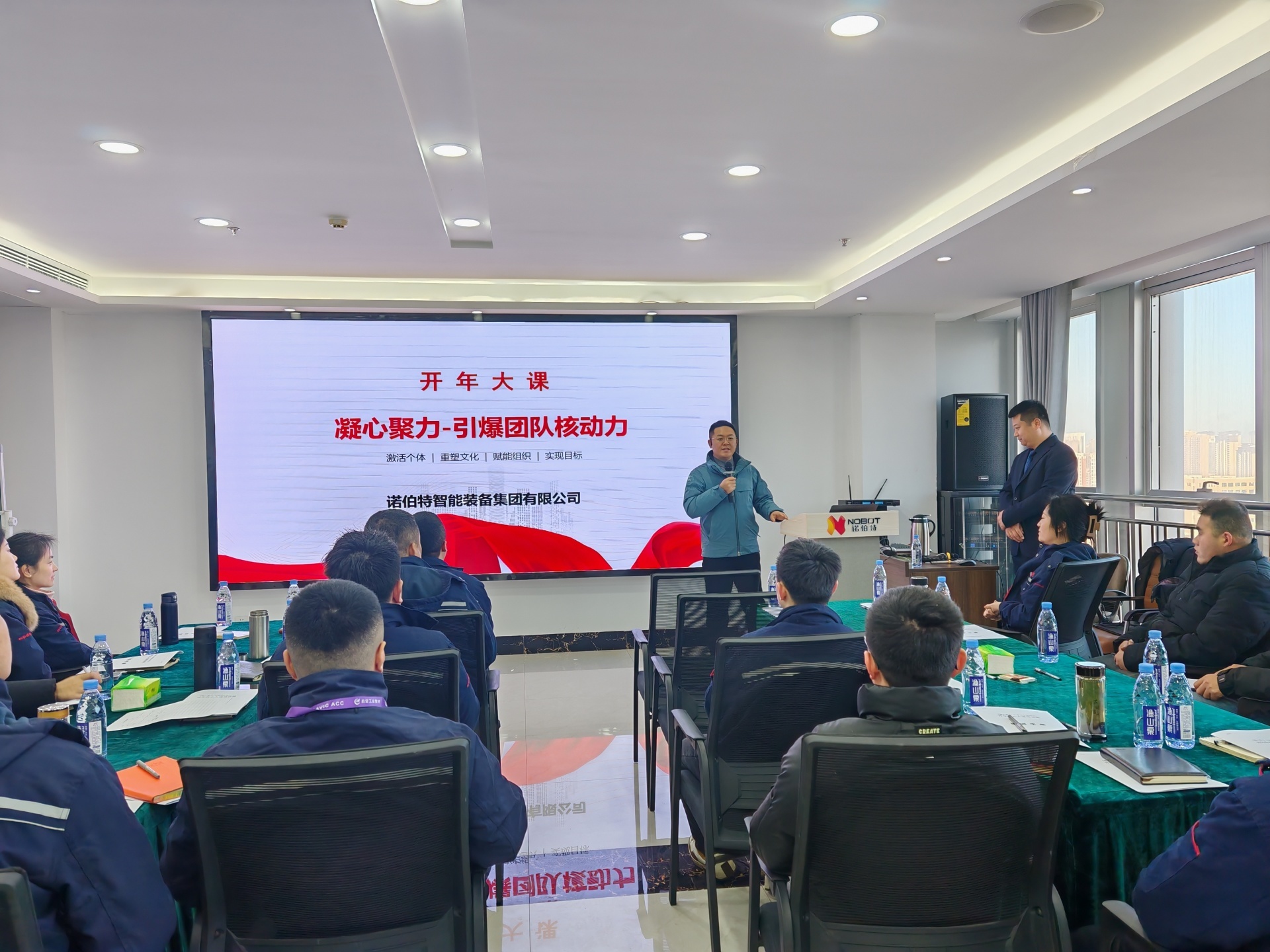
Nobot Group's 2025 Kick-off Event: A Team Building Activity Focused on Unity and Power
This opening ceremony was both a knowledge-boosting session, allowing employees to continuously grow through learning, and a team-building event, bringing everyone closer together. It impressed upon each employee that in today's increasingly competitive market, only by continuously learning new knowledge, daring to innovate, and maintaining teamwork can we remain undefeated. With the collective efforts of all employees, Nobot will surely ride the waves and achieve even greater success on this new journey, steadily advancing towards higher goals!
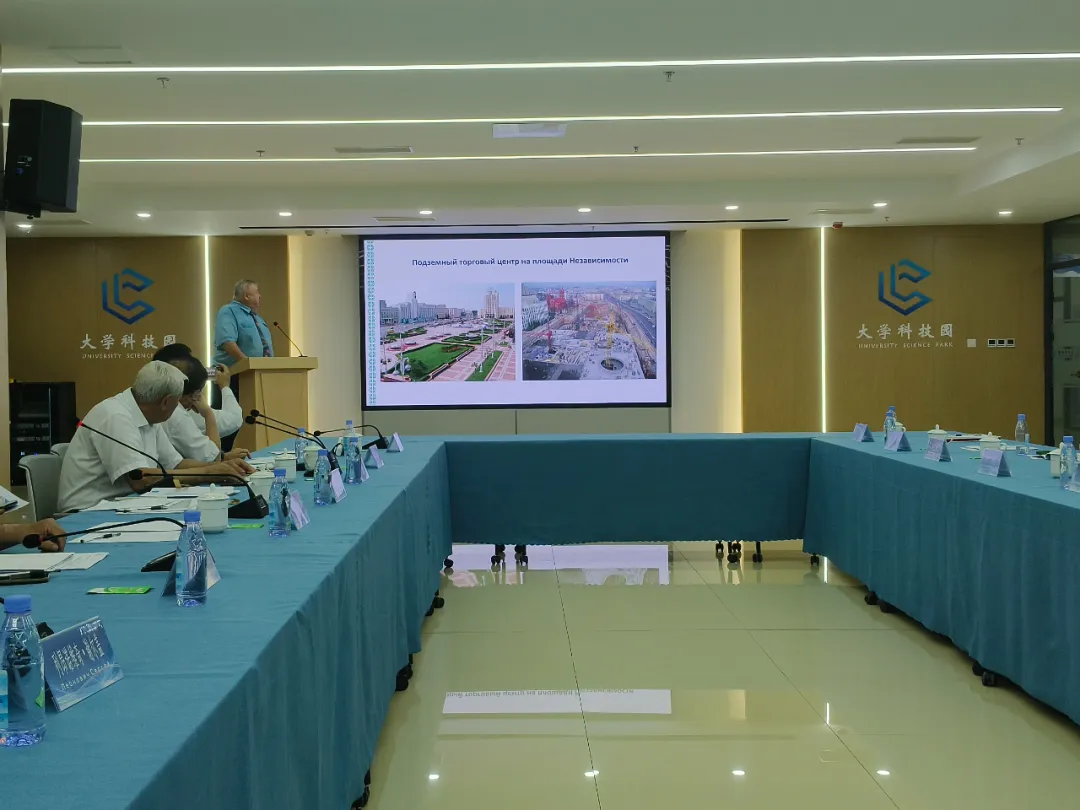
Nobot was invited to attend the Belt and Road International Exchange Conference
On July 28, 2024, the 2024 Liaocheng "Belt and Road" International Exchange Conference and the Unveiling Ceremony of the Central Asia International High-end Talent Joint Training Base were held in the Liaocheng High-tech Zone University Science and Technology Park. Professor Tursunbayev Zaporotot, President of Osh Technological University of the Kyrgyz Republic and corresponding academician of the Kyrgyz Academy of Engineering, and Academician Smaylor Erta of the Kyrgyz Academy of Engineering and the Russian Academy of Natural Sciences, among other experts and scholars from "Belt and Road" countries, participated in the event. Liaocheng Deputy Mayor Wang Gang and Zhang Ya, Party Secretary and Director of the Management Committee of the High-tech Zone, attended the event and delivered speeches.
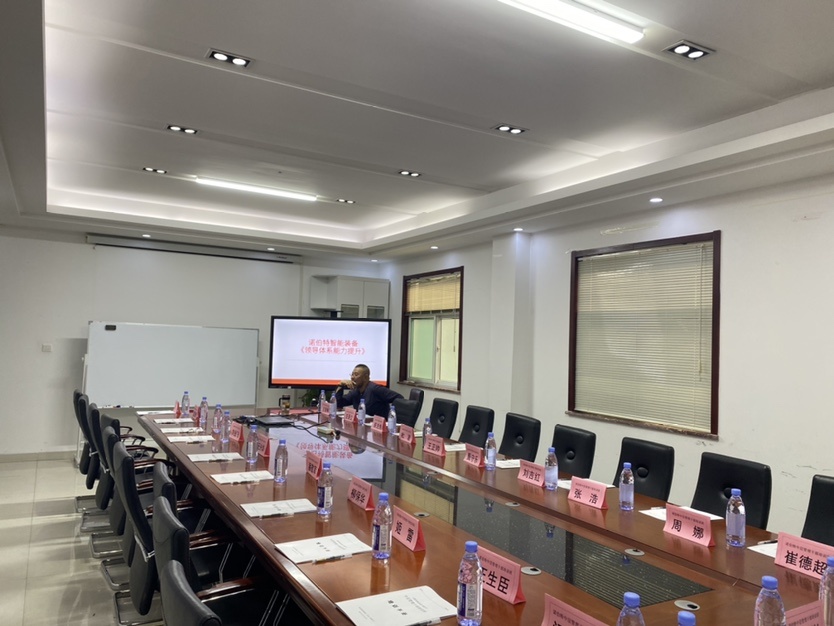
This training event not only provided a valuable learning opportunity for company managers and key personnel, but also built a platform for communication and sharing. During the training, everyone actively interacted and discussed enthusiastically, exploring effective ways to improve management capabilities together. Through this training, everyone has gained rich knowledge and skills, but more importantly, it has inspired confidence and motivation for the future.
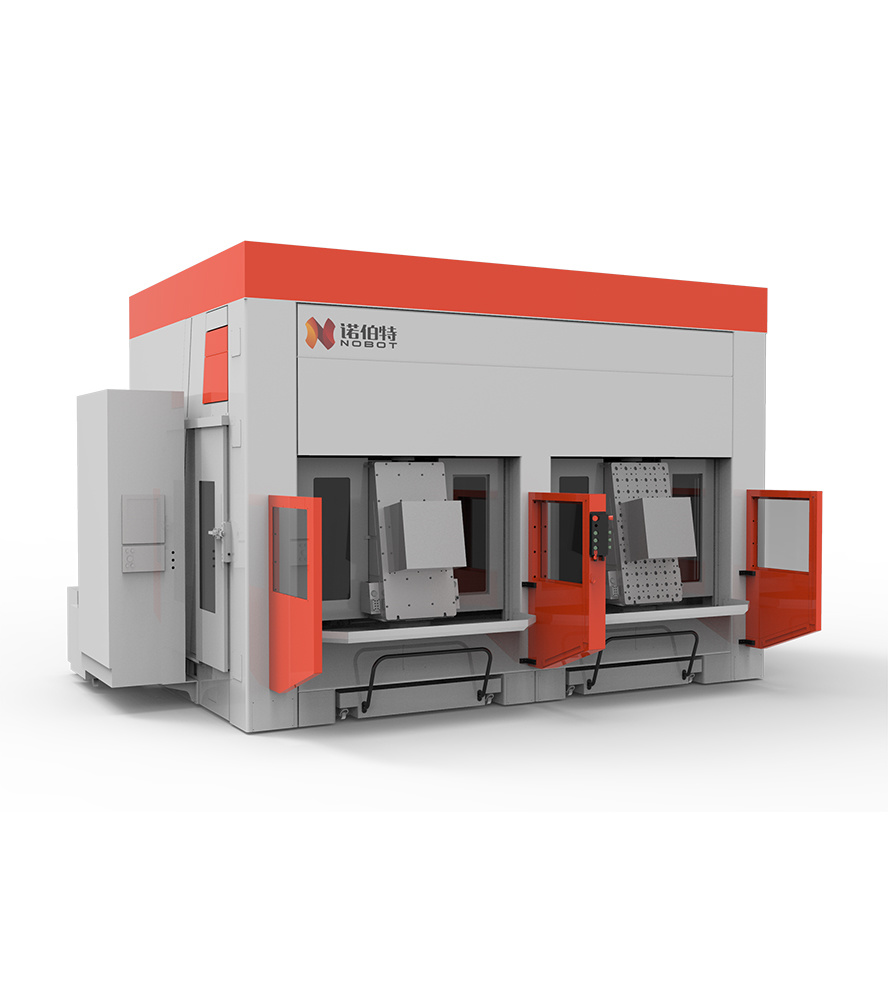
How to use a five-axis machining center efficiently? Today, let's learn a few practical steps!
When using a five-axis machining center, the equipment must first be adjusted to ensure that the workpiece and fixture dimensions precisely match, and that the zero points of each axis are accurately adjusted.
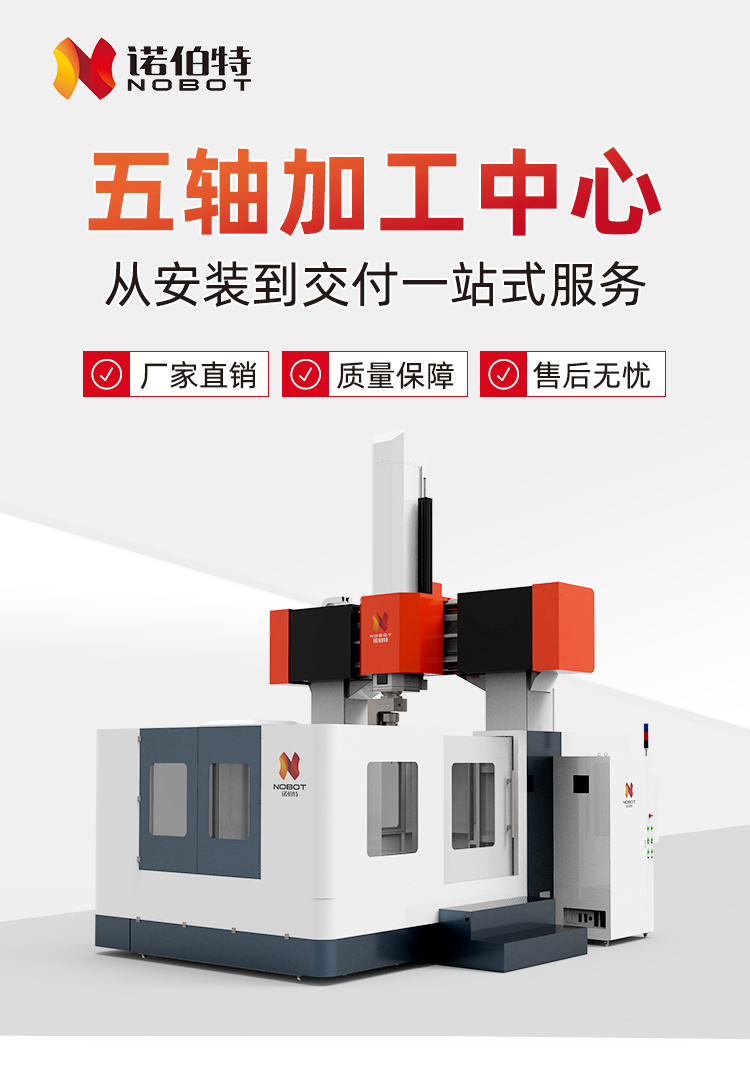
Why do composite materials require 5-axis CNC machining?
Composite materials are widely used in various fields such as aerospace, automotive, construction, energy, energy storage, infrastructure, marine, pipelines and tanks, sports and entertainment, and transportation due to their light weight, high fatigue resistance, and strong fracture resistance. Among them, aerospace and automotive industries are the largest application markets for composite materials. Five-axis CNC plays an important role in the processing of composite materials. Why do composite materials need to be processed using five-axis CNC?
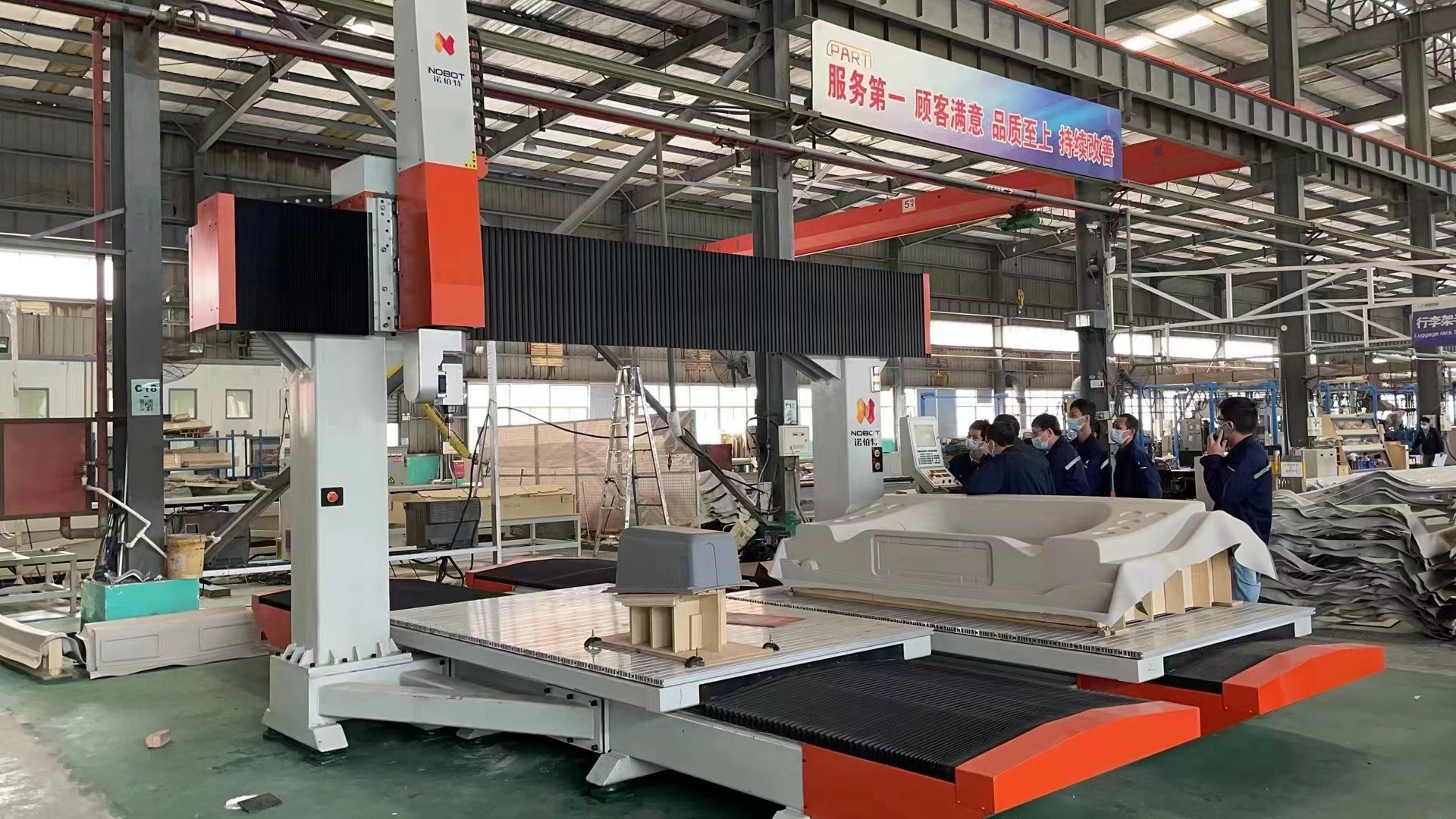
Dual-station five-axis machines offer several significant advantages. First, while one station is being machined, the other can be used for material loading and unloading, ensuring continuous, non-stop machining and significantly improving production efficiency. Second, the dual-station design makes operation more convenient and reduces waiting time. However, dual-station five-axis machines typically cost more than single-station machines and may require more operating and maintenance space.
Nobot Intelligent Equipment Group Co., Ltd.
Pre-sales consultation:86-635-2932233
Fax:86-635-2945333
After-sales consultation:86-635-5086881 / 86-635-2936881
National unified service hotline:86-400-823-3356
Email:nuobote@nobot.cc
Address: No. 1 Plant, No. 88 Huanghe Road, Gaoxin District, Liaocheng City, Shandong Province

copyright © 2025 Nobot Intelligent Equipment Group Co., Ltd.