

-
-
-
Application

-
-
-
-
Service
Using an industrial robot palletizing system to reduce labor costs and improve efficiency
Published Time:
Dec 15,2021
Industrial robot palletizing systems are suitable for industries such as chemical, building materials, feed, food, beverage, beer, and automated logistics. They mainly pick and sort products on the production line during the manufacturing process. Especially in the warehousing and logistics industry, the working efficiency of palletizing robots directly determines the throughput of goods. Therefore, adopting robot palletizing to achieve automated production is an effective means of promoting enterprise development.
Industrial robots, as typical equipment for industrial automation, promote the development of various industries in economic activities. Industrial palletizing robots, in particular, free humans from heavy and repetitive stacking work with their low cost and high efficiency, improving production efficiency, reducing production costs, and shortening production cycles. Palletizing robots can replace manual labor in cargo classification, handling, and loading and unloading, especially replacing humans in handling hazardous materials such as radioactive and toxic substances, reducing worker labor intensity, and ensuring worker safety. Achieving automation, intelligence, and unmanned operation.

1. Composition of Industrial Robot Palletizing System
In practical applications, industrial robot palletizing systems do not work independently but in conjunction with automated equipment. An industrial robot palletizing system generally consists of four subsystems. The electrical control subsystem controls the entire palletizing system's workflow and cycle. The material handling subsystem transports materials to the robot's work area, where the robot picks up and places items onto the automatic pallet system. When the robot finishes palletizing a stack of goods, the automatic pallet conveying system automatically transports it to a designated location for conveyance by a forklift or other transport equipment. Each subsystem includes modules as shown in Figure 1.
Palletizing robot system: robot body, robot controller, robot gripper, safety guardrails, and base, etc.
Automatic pallet conveying system: pallet library, light/heavy-duty conveyors, heavy-duty roller lines, lifting/lowering transplanting machines, etc.
Material conveying system: belt conveyor, pneumatic pushing device, linear slide, spiral slide, turning roller line. Upper pressing device, lower vibrating conveyor, material shaping device, turning device, etc.
Electrical and electric system: PLC, pneumatic equipment, transformer, detection sensors, power motors, etc.

2. Characteristics of Industrial Robot Palletizing Applications
(1) High-precision positioning, fast handling and picking, shortened operation cycle, and production efficiency.
(2) Stable and reliable robot operation, reduced work errors, and improved product quality.
(3) Fatigue-free continuous operation, all-weather work, and expanded factory capacity.
(4) Simple structure and few components. Therefore, the failure rate of components is low, the performance is reliable, and maintenance is simple.
(5) Small footprint. This is beneficial for the layout of production lines in customer factories and leaves a larger warehouse area.
(6) Low energy consumption. The power of a typical mechanical palletizer is around 26 kW, while that of a palletizing robot is around 5 kW, significantly reducing operating costs.
3. Problems Existing in Industrial Robot Palletizing Applications
3.1 Palletizing Gripper Issues
Palletizing robots can work under different task conditions, mainly depending on the design of the robot flange gripper. The quality and performance of the robot gripper directly affect the work quality and efficiency of the industrial handling robot. Traditional handling robot grippers are composed of purely mechanical components, with complex structures, heavy weight, slow movement speed, lack of automatic detection and position control capabilities, low control precision, and problems such as inaccurate movement due to working environment temperature and workpiece weight, affecting the normal work efficiency of the handling robot and posing safety hazards in production. Industrial robots can only operate with specific grippers designed for different items. However, in industrial manufacturing, more than one product specification may appear at the same workstation. In this case, the robot can only grasp specific items and cannot meet the needs of diversified grasping. Therefore, the selection and design of the robot gripper are extremely important. In this situation, there is an urgent need to design an adaptive and multifunctional robot gripper.
3.2 Automatic Recognition and Grasping Issues
In the palletizing and sorting operations of industrial robots, due to the diversification of product types, it is necessary to classify and pick and palletize items according to their categories, transporting items on the same production line to different pallets. Secondly, the position of the item to be grasped may not be fixed during transportation, requiring the robot to autonomously identify the position of the item's grasping point. Therefore, selective recognition and grasping are crucial for the application of palletizing robots.
3.3 Motion Path Planning
In the palletizing application of industrial robots, the number of palletizing times per unit time is a crucial indicator of the robot's performance, especially for high-throughput production lines. The palletizing rate of the industrial robot determines the overall production capacity of the entire production line. Many factors affect the robot's palletizing efficiency, such as the performance of the servo motor, load strength, and the robot's mechanical structure, especially when the robot stacks items into different stack shapes. The order of palletizing placement is also a key factor affecting palletizing efficiency. Once the palletizing order is fixed, optimization of the robot's motion path can greatly improve efficiency. If the items are transported to the same destination, different robot path selections will result in significant differences in robot motion calculation results and ultimately in speed. Therefore, the design of the robot's motion path and stacking order plays a key role in improving work efficiency.

4. Key Technologies to be Solved
4.1 Adaptive Gripper
For practical work needs, this paper designs an automatic gripper for industrial handling robots with automatic detection and position control capabilities to solve the problems of low control precision, low work efficiency, and safety hazards in existing technologies. The central processing unit of the robot gripper automatic controller has a pre-set work program and can communicate with the main controller of the industrial handling robot. When the handling robot reaches the workpiece picking position, it starts grasping according to the instructions of the handling robot's main controller. The gripper grasping process is subject to negative feedback. When the gripper pressure change is detected, the motor torque is automatically adjusted to achieve control of the grasping force and stroke. In this way, one gripper can meet the grasping task for items of different specifications, reducing the frequent replacement of fixtures and improving the efficiency of palletizing work.
4.2 Machine Vision System
The robot vision system includes a CCD digital camera, lens, light source, and robot body control system. The CCD digital camera is connected to an industrial computer via a switch, and the electrical control cabinet is connected to the switch. The camera unit captures images of items, collects data, and transmits it to the industrial computer via the switch. The industrial computer processes the collected backup item images and performs precise positioning, then sends control signals to the robot control system via the switch. This technology solves the palletizing problems of traditional palletizing in situations with multiple product types and variable positions, improving work efficiency in sorting and palletizing operations, making palletizing robots more intelligent and user-friendly.
4.3 Stacking Design and Motion Path Optimization
To improve robot efficiency, it is necessary to rationally design the stacking pattern and movement path. In-depth research on motion optimization has proposed a method for comprehensive optimization of path planning and trajectory planning to simultaneously optimize these two mutually coupled processes. After path planning, the B-spline interpolation method is used to fit the discrete path to obtain a smooth path. In order to obtain a quantitative representation of the smoothness of the path, a fuzzy controller is used to control the correction amplitude of the path, and then the minimum time for the robot to run along the path is obtained. Then, combined with the actual analysis of the characteristics of time-optimal trajectory planning, the parameterized representation method is used to reduce the dimensionality of the dynamic model and the dynamic programming method is used to obtain the optimal time to control the robot palletizing motion. For the placement order of robot palletizing, according to the placement direction, the number of layers, and the number of each layer, the placement order is designed according to the principle of placing from far to near and adjacent to each other, which can shorten the total path and achieve the purpose of improving palletizing efficiency.
5. Future Development Directions
5.1 Cloud Control
The unmanned nature of manufacturing may provide a path for the upgrading of China's manufacturing industry. Currently, the application of industrial robots is mostly in independent workstations, and each robot is independent. In the future, for more complex production processes, production information needs to be shared, and robots need to be remotely monitored, so cloud control is an important development direction for robots. The key issue that cloud control needs to solve is the need for gateways to convert different communication protocols, remote servers store a large number of robot work cases, and match work cases from the cloud based on the current robot work content to remotely control robot movement. Although in recent years, there have been many cases of remote control robots, in order to control robots to meet complex environments and work content, further research on robot motion data and communication data is still needed.
5.2 Multi-sensor Information Fusion
At present, the application of industrial robots is mostly in workstations or assembly lines, and there is no contact or cooperation with humans. In the future, for more complex production processes, the cooperation between humans and robots will be a very important development direction. As the complexity of the work content of industrial robots increases, robots need to become more intelligent to perceive surrounding environmental information in order to plan the next decision and behavior. This requires the fusion of multiple sensor information from the sensor system to detect the changing external environment, make judgments and decisions, which is essentially similar to the comprehensive sensory functions of human organs and body, including vision, touch, force, slip, proximity, pressure, hearing, taste, smell, temperature, etc. The research includes the collection and fusion processing of various sensor information, sensor and actuator integration technology, and sensory function inheritance modules. At present, many large factories have a large number of industrial robots, which, together with manpower, have created countless values for social industrial production. Current industrial robots are still undergoing continuous technological improvements, especially with the updates and improvements of intelligent components such as MEMS accelerometers, gyroscopes, and pressure sensors, industrial robots will also use sensor technology to make them more intelligent and safer to use, thereby stimulating greater value and more potential.
The Nobot industrial robot palletizing system is suitable for the chemical, building materials, feed, food, beverage, beer, and automated logistics industries, mainly for picking and sorting products on the production line during the manufacturing process. Especially in the warehousing and logistics industry, the working efficiency of palletizing robots directly determines the throughput of goods. Therefore, using robot palletizing to achieve automated production is an effective means to promote enterprise development. The Nobot palletizing robot system can be customized according to customer needs. Welcome your consultation and guidance.
Telephone: 86-635-2932233
Mobile: 15315726881
New Website: www.nuobote.cn
Foreign Trade Website: www.noboter.com
BLOGS
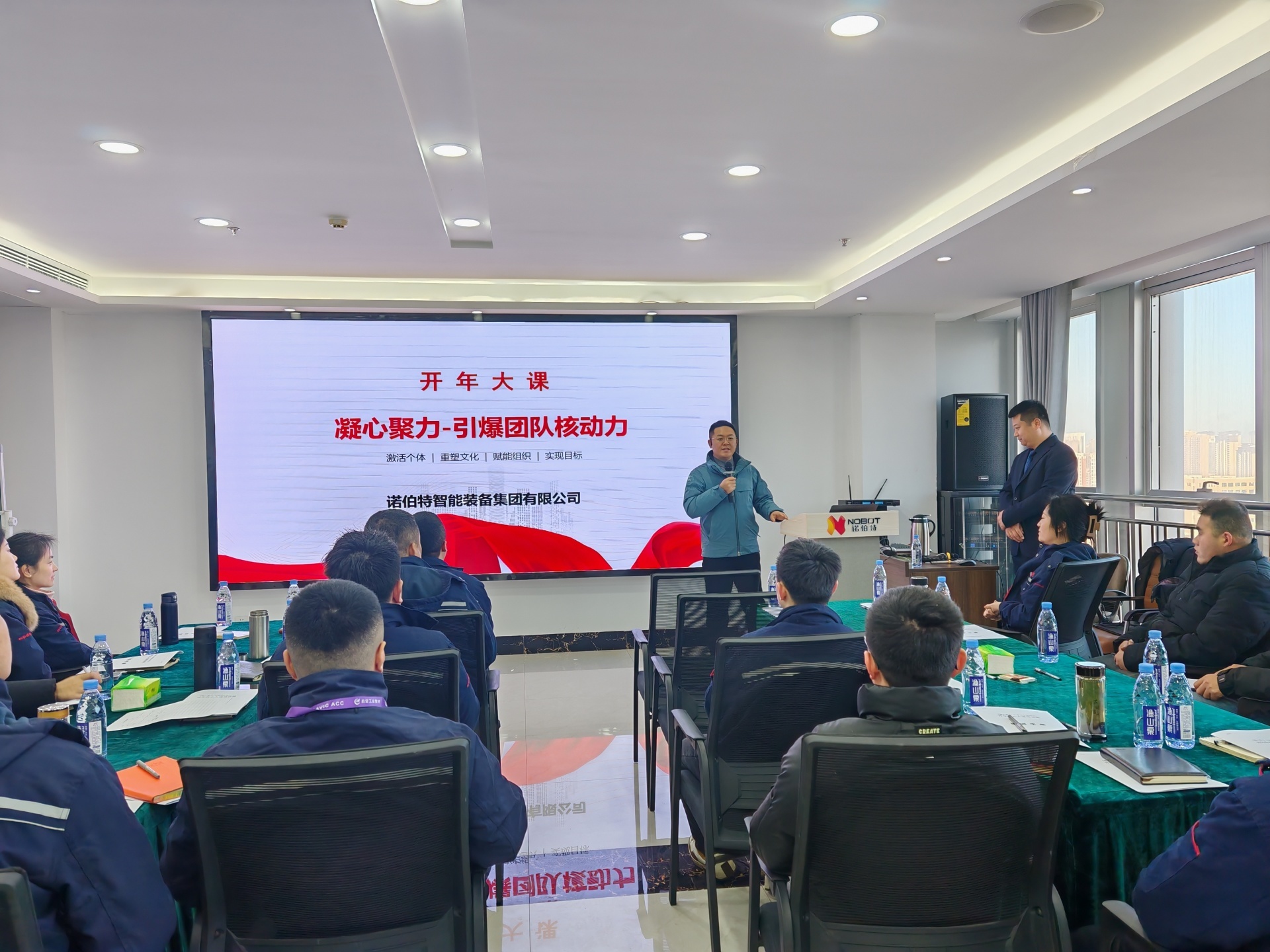
Nobot Group's 2025 Kick-off Event: A Team Building Activity Focused on Unity and Power
This opening ceremony was both a knowledge-boosting session, allowing employees to continuously grow through learning, and a team-building event, bringing everyone closer together. It impressed upon each employee that in today's increasingly competitive market, only by continuously learning new knowledge, daring to innovate, and maintaining teamwork can we remain undefeated. With the collective efforts of all employees, Nobot will surely ride the waves and achieve even greater success on this new journey, steadily advancing towards higher goals!
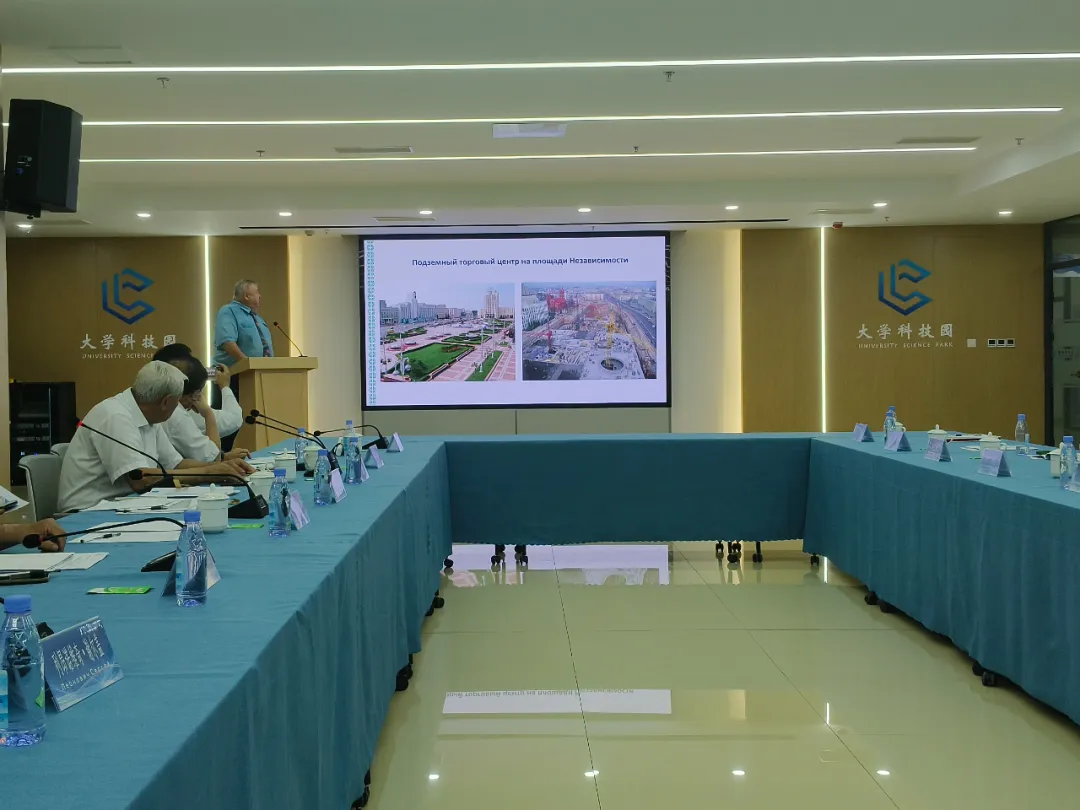
Nobot was invited to attend the Belt and Road International Exchange Conference
On July 28, 2024, the 2024 Liaocheng "Belt and Road" International Exchange Conference and the Unveiling Ceremony of the Central Asia International High-end Talent Joint Training Base were held in the Liaocheng High-tech Zone University Science and Technology Park. Professor Tursunbayev Zaporotot, President of Osh Technological University of the Kyrgyz Republic and corresponding academician of the Kyrgyz Academy of Engineering, and Academician Smaylor Erta of the Kyrgyz Academy of Engineering and the Russian Academy of Natural Sciences, among other experts and scholars from "Belt and Road" countries, participated in the event. Liaocheng Deputy Mayor Wang Gang and Zhang Ya, Party Secretary and Director of the Management Committee of the High-tech Zone, attended the event and delivered speeches.
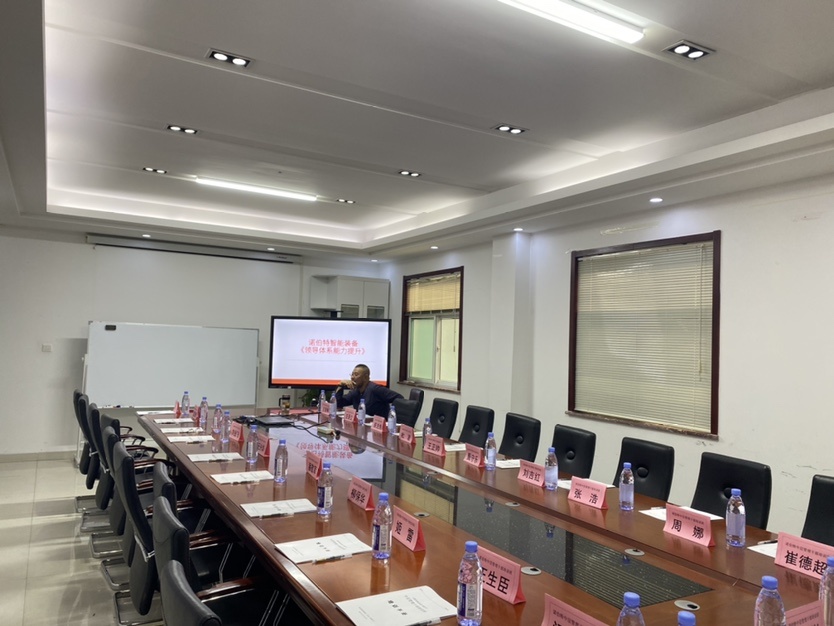
This training event not only provided a valuable learning opportunity for company managers and key personnel, but also built a platform for communication and sharing. During the training, everyone actively interacted and discussed enthusiastically, exploring effective ways to improve management capabilities together. Through this training, everyone has gained rich knowledge and skills, but more importantly, it has inspired confidence and motivation for the future.
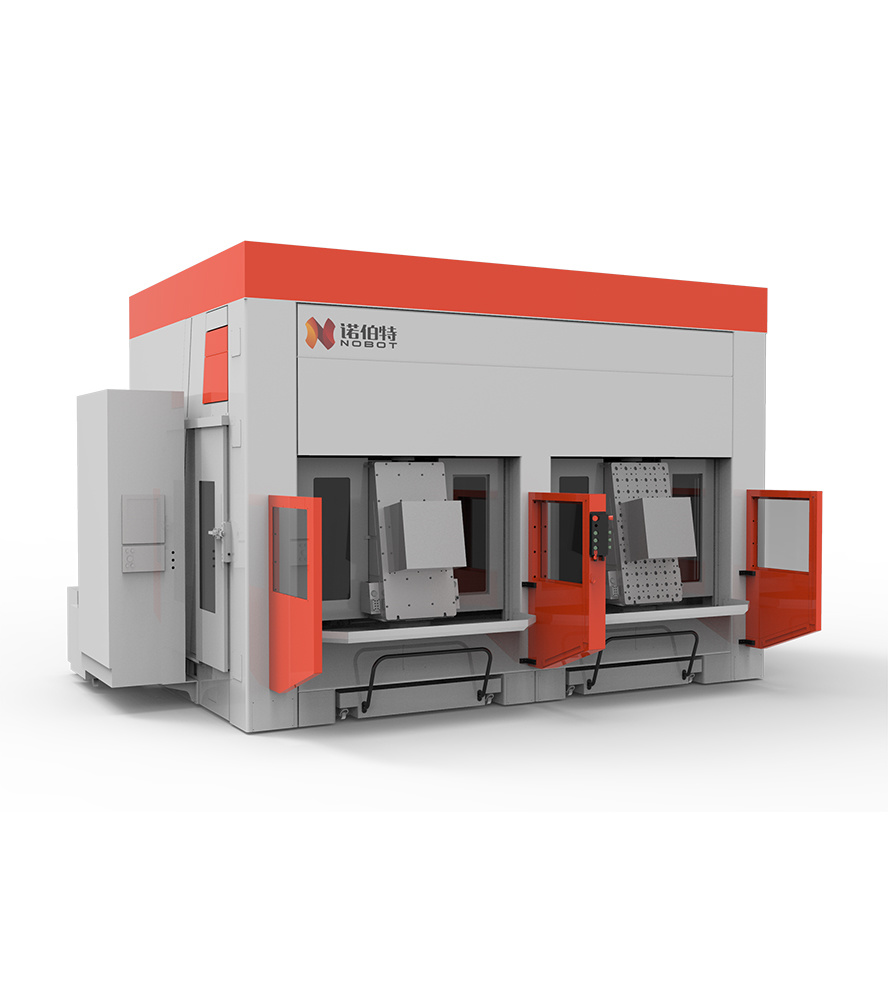
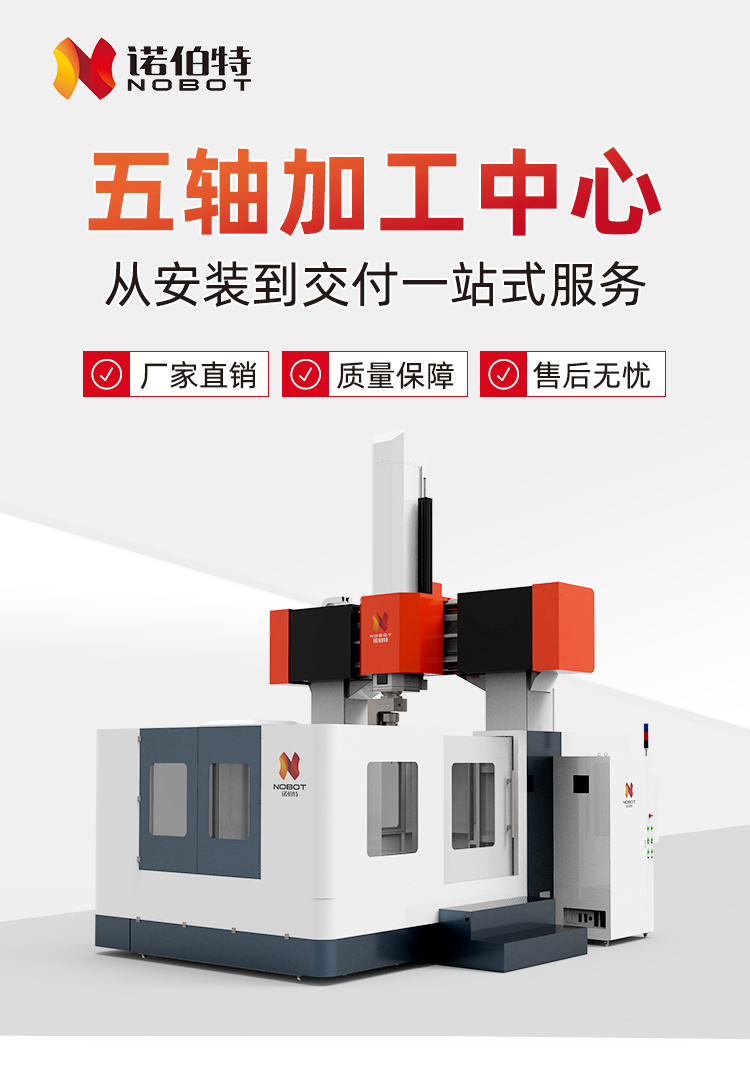
How to use a five-axis machining center efficiently? Today, let's learn a few practical steps!
When using a five-axis machining center, the equipment must first be adjusted to ensure that the workpiece and fixture dimensions precisely match, and that the zero points of each axis are accurately adjusted.
Why do composite materials require 5-axis CNC machining?
Composite materials are widely used in various fields such as aerospace, automotive, construction, energy, energy storage, infrastructure, marine, pipelines and tanks, sports and entertainment, and transportation due to their light weight, high fatigue resistance, and strong fracture resistance. Among them, aerospace and automotive industries are the largest application markets for composite materials. Five-axis CNC plays an important role in the processing of composite materials. Why do composite materials need to be processed using five-axis CNC?
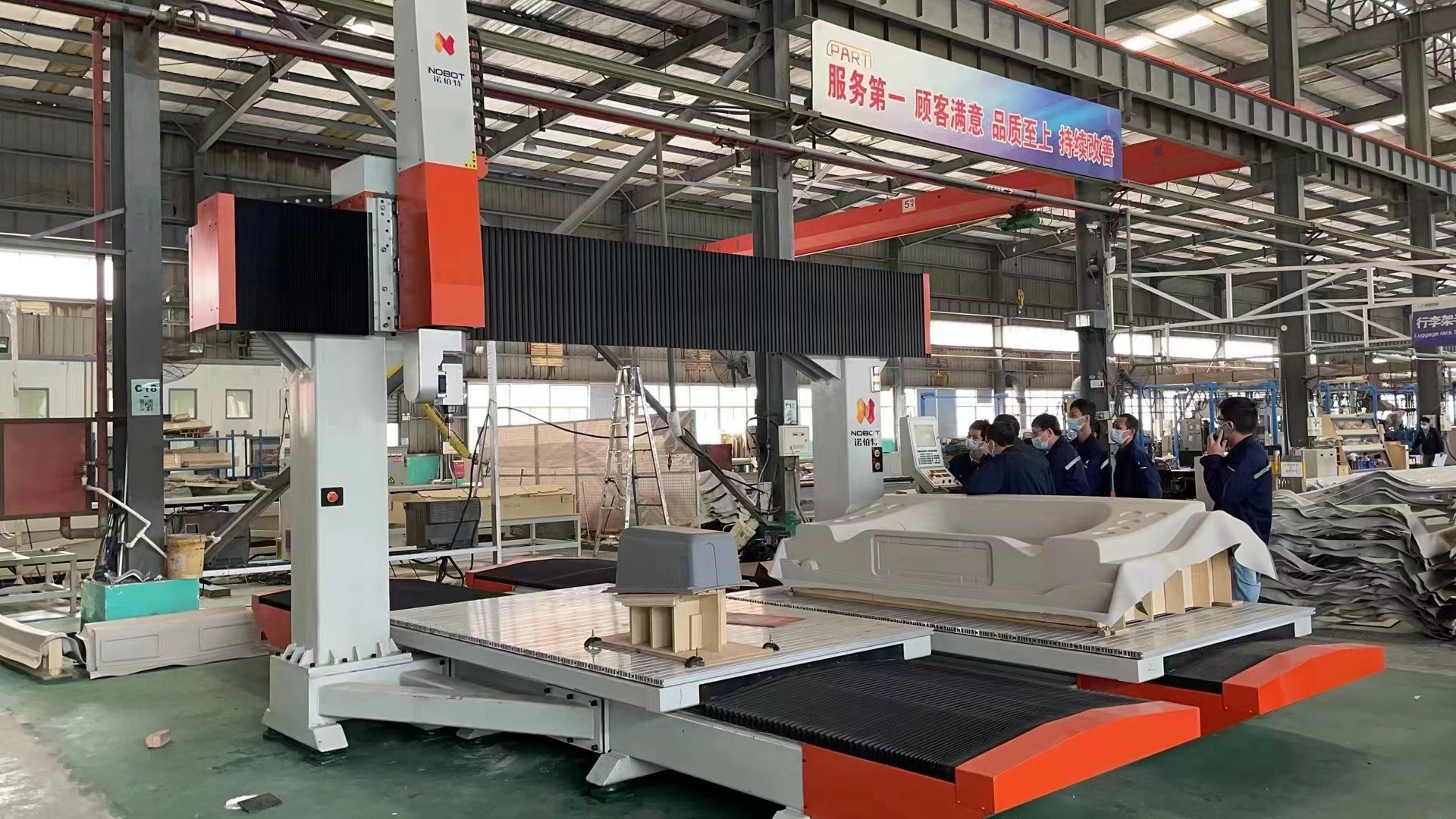
Dual-station five-axis machines offer several significant advantages. First, while one station is being machined, the other can be used for material loading and unloading, ensuring continuous, non-stop machining and significantly improving production efficiency. Second, the dual-station design makes operation more convenient and reduces waiting time. However, dual-station five-axis machines typically cost more than single-station machines and may require more operating and maintenance space.
Nobot Intelligent Equipment Group Co., Ltd.
Pre-sales consultation:86-635-2932233
Fax:86-635-2945333
After-sales consultation:86-635-5086881 / 86-635-2936881
National unified service hotline:86-400-823-3356
Email:nuobote@nobot.cc
Address: No. 1 Plant, No. 88 Huanghe Road, Gaoxin District, Liaocheng City, Shandong Province

copyright © 2025 Nobot Intelligent Equipment Group Co., Ltd.