

-
-
-
Application

-
-
-
-
Service
What is the relationship between industrial robots, PLCs, and automation?
Published Time:
Aug 22,2019
The relationship between industrial robots, PLCs, and automation
Many people don't fully understand the relationship between industrial robots, PLCs, and automation. Let's explain the complex "triangle" relationship between the three.
First, let's understand what industrial robots, PLCs, and automation are!

Industrial Robot
An industrial robot is a multi-joint or multi-degree-of-freedom mechanical arm that works using a control system and its own power. It's mainly used in industrial production. One industrial robot can replace the labor of many people, working according to a pre-set standard workflow to help reduce defects and increase unit output.
PLC
PLC, or Programmable Logic Controller, is a digital computing and operating electronic system widely used in modern industry. PLCs contain various human-machine interface units and communication units, controlling equipment production through digital or analog input and output. Its operating principle can be divided into three stages: input sampling, program execution, and output refresh, followed by repeated input sampling, execution, and output (or a cycle).

Automation
Automation is a general term for the measurement, operation, information processing, and process control of machines, equipment, or production processes without direct human intervention, achieving a predetermined goal. Currently, "embedded systems," widely used in German and international manufacturing, fully embed mechanical or electrical components into the controlled devices. These are special-purpose computer systems designed for specific applications.

After reading the introductions of the three, can you see a little bit of the relationship between them?
Let's first understand the basic structure and principle of industrial robots. Simply put, the hardware structure of an industrial robot generally consists of 3-6 servo drive systems working together to perform various actions. Controlling an industrial robot essentially means controlling the rotation, reversal, speed, and slow speed of those motors, which I believe everyone can understand. Those familiar with electrical control know that to control these motors according to your wishes, you naturally need a device similar to a PLC as a control platform to write programs, and a human-machine interface similar to a touch screen to issue commands. Here, the "PLC" is the robot's integrated controller, and the "touch screen" is the teach pendant. 。

In the entire industrial robot industry, the value of the robot body accounts for roughly 1/3. Where does the other 2/3 go? This 2/3 is mainly occupied by peripheral integrated equipment and industrial software. As we all know, industrial robots are becoming more and more like standard parts. To flexibly use industrial robots according to the actual on-site situation, the cooperation of peripheral equipment and industrial software is required. Industrial robots do not work in isolation. A robot workstation often requires the cooperation of peripheral equipment, such as tooling fixtures, conveyors, welding positioners, and moving rails. How these roles cooperate requires PLC coordination. 57dc28b
And a production line requires the cooperation of multiple industrial robot workstations, and the production line also includes other relatively independent automated equipment, such as AGV vehicles, automated three-dimensional warehouses, spraying equipment, and assembly equipment. At this time, a higher-level PLC is needed to coordinate between workstations. To give a simple example, on a conveyor production line, there are three industrial robot workstations at positions A, B, and C, representing three work stations that need to perform three types of processes. The PLC first controls the conveyor belt movement. When the workpiece reaches station A, the position sensor at station A detects that the workpiece is in place and sends a signal to the PLC. The PLC receives this input signal and, in conjunction with other external signals, determines that the robot at station A can start working. Then, the PLC sends a signal to robot A: "You can start working, hurry up." After robot A finishes its work, it sends a completion signal back to the PLC: "Brother, I'm done, you continue." After the PLC receives this signal, it continues to start the motor to control the conveyor belt to transport the workpiece to station B, repeating the above logical process...

Summary:
The most important feature of an industrial robot is that it can work according to a pre-set standard workflow, while a PLC is a digital computing and operating electronic system containing multiple human-machine interfaces, and automation includes the characteristics of predetermined goals and special-purpose computer systems. A simpler summary of the relationship between industrial robots, PLCs, and automation is: the PLC is like the brain of an automated system, controlling industrial robots and coordinating the operation of multiple devices, while the industrial robot is a mechanical device that executes commands. The application of industrial robots is inseparable from the participation of PLCs; automation is a system composed of many such devices and PLCs.
BLOGS
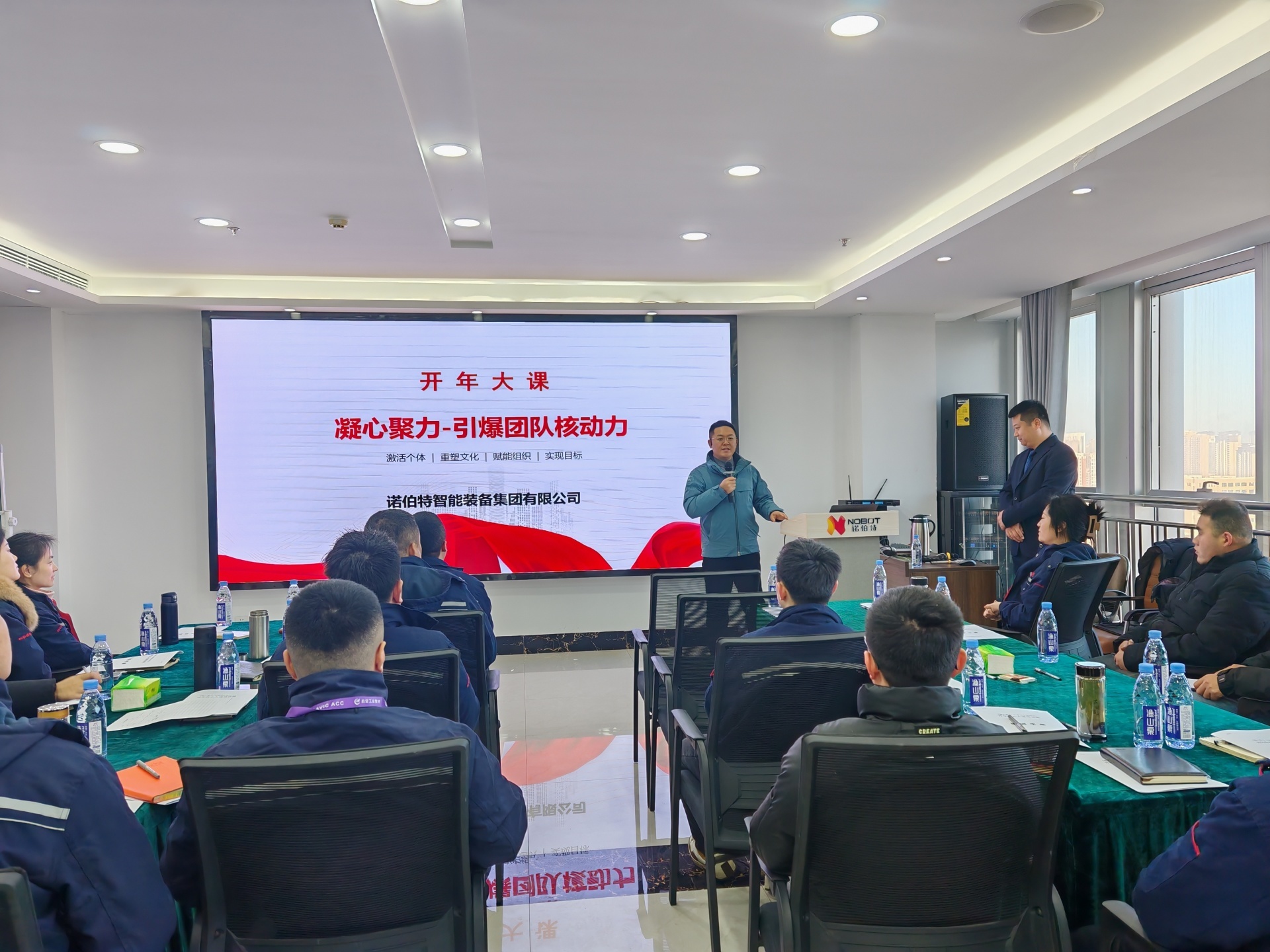
Nobot Group's 2025 Kick-off Event: A Team Building Activity Focused on Unity and Power
This opening ceremony was both a knowledge-boosting session, allowing employees to continuously grow through learning, and a team-building event, bringing everyone closer together. It impressed upon each employee that in today's increasingly competitive market, only by continuously learning new knowledge, daring to innovate, and maintaining teamwork can we remain undefeated. With the collective efforts of all employees, Nobot will surely ride the waves and achieve even greater success on this new journey, steadily advancing towards higher goals!
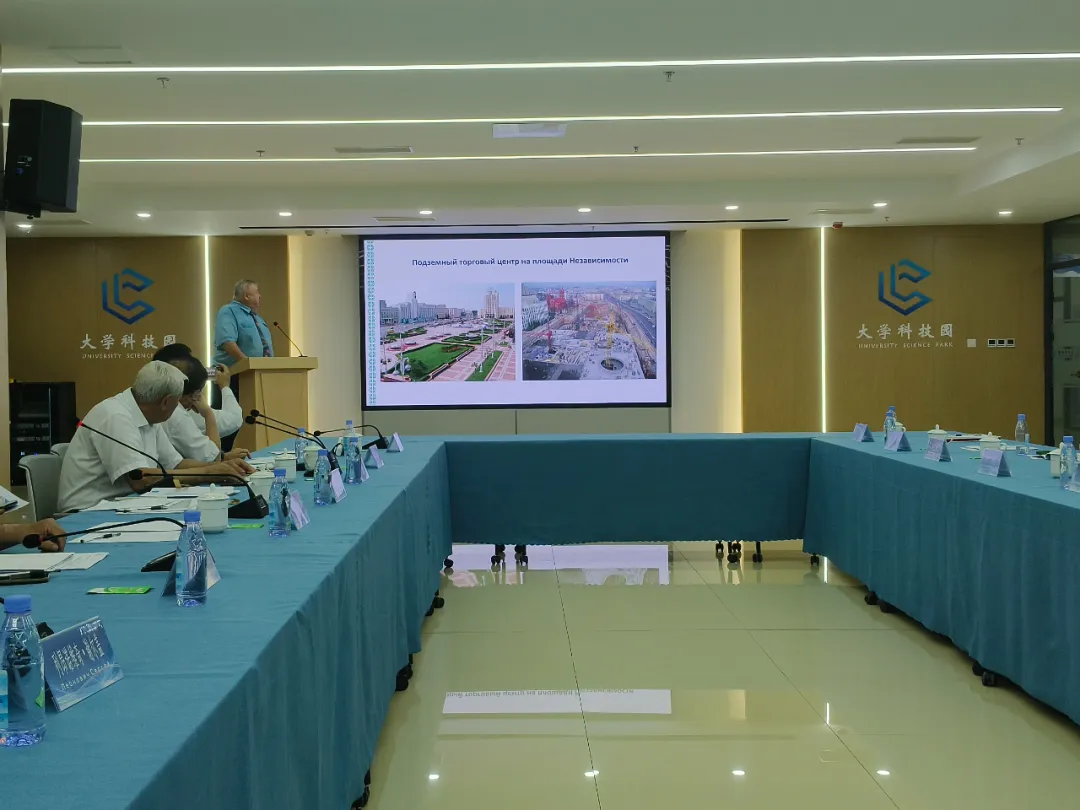
Nobot was invited to attend the Belt and Road International Exchange Conference
On July 28, 2024, the 2024 Liaocheng "Belt and Road" International Exchange Conference and the Unveiling Ceremony of the Central Asia International High-end Talent Joint Training Base were held in the Liaocheng High-tech Zone University Science and Technology Park. Professor Tursunbayev Zaporotot, President of Osh Technological University of the Kyrgyz Republic and corresponding academician of the Kyrgyz Academy of Engineering, and Academician Smaylor Erta of the Kyrgyz Academy of Engineering and the Russian Academy of Natural Sciences, among other experts and scholars from "Belt and Road" countries, participated in the event. Liaocheng Deputy Mayor Wang Gang and Zhang Ya, Party Secretary and Director of the Management Committee of the High-tech Zone, attended the event and delivered speeches.
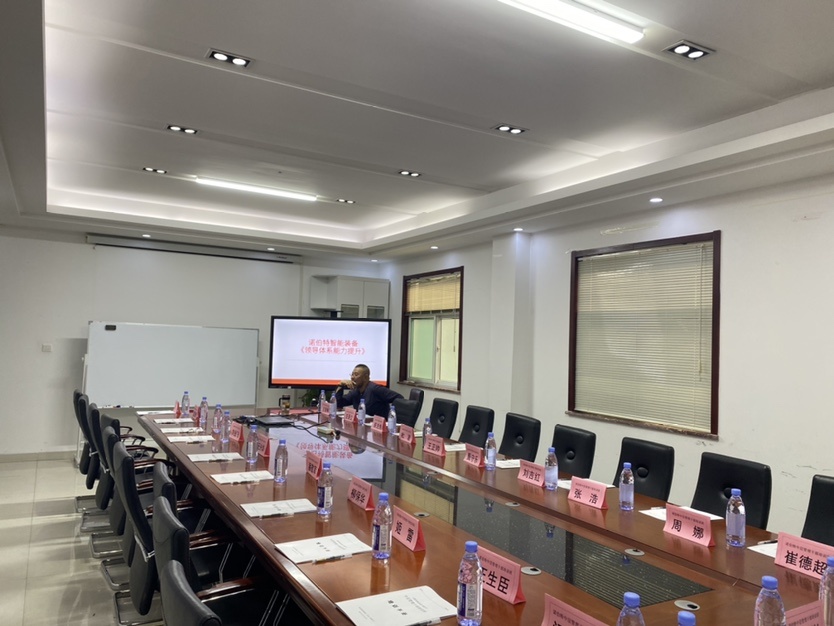
This training event not only provided a valuable learning opportunity for company managers and key personnel, but also built a platform for communication and sharing. During the training, everyone actively interacted and discussed enthusiastically, exploring effective ways to improve management capabilities together. Through this training, everyone has gained rich knowledge and skills, but more importantly, it has inspired confidence and motivation for the future.
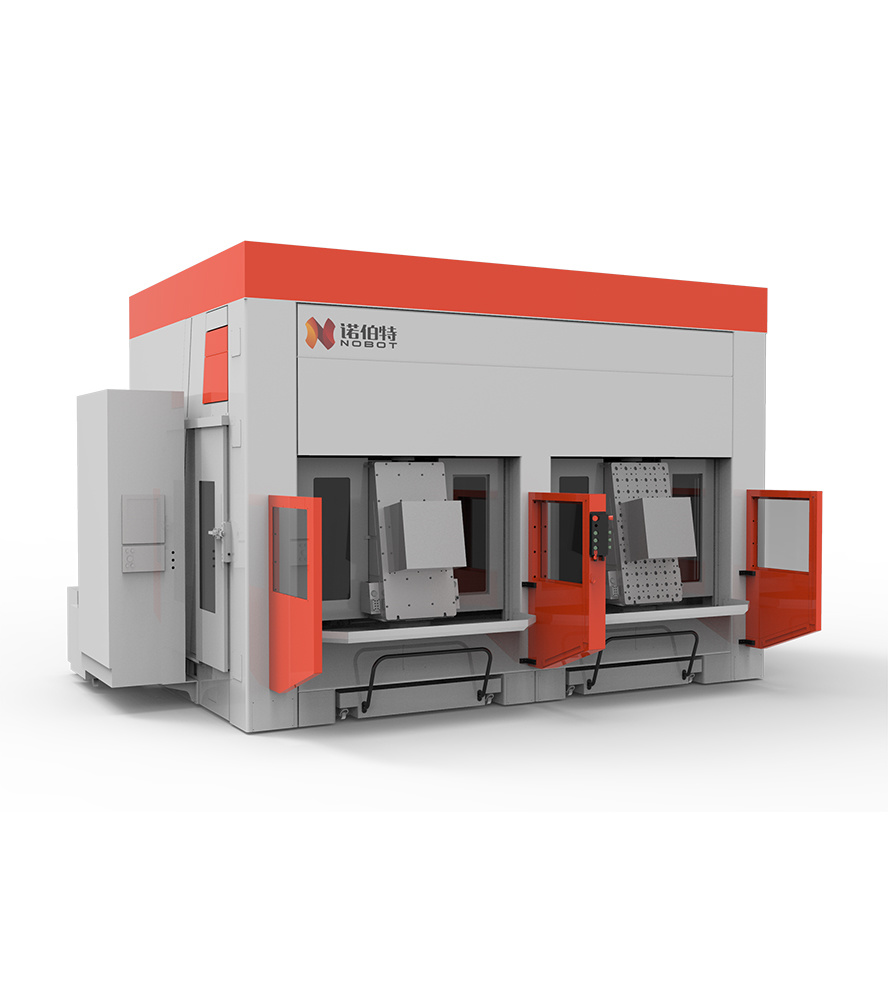
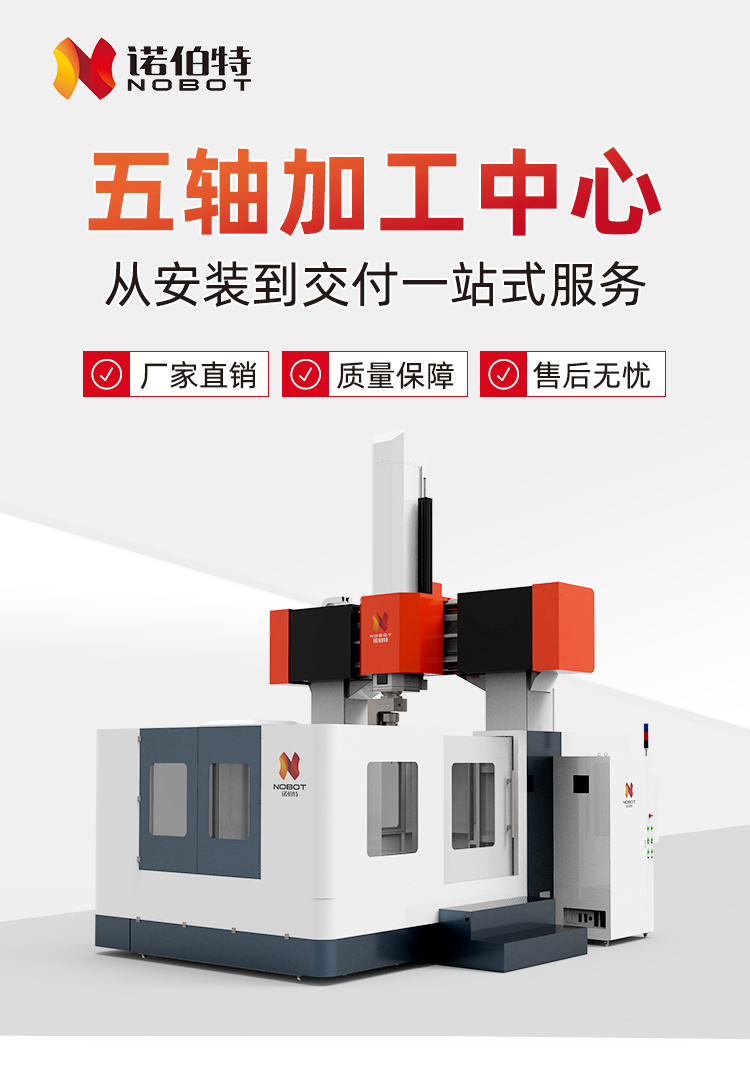
How to use a five-axis machining center efficiently? Today, let's learn a few practical steps!
When using a five-axis machining center, the equipment must first be adjusted to ensure that the workpiece and fixture dimensions precisely match, and that the zero points of each axis are accurately adjusted.
Why do composite materials require 5-axis CNC machining?
Composite materials are widely used in various fields such as aerospace, automotive, construction, energy, energy storage, infrastructure, marine, pipelines and tanks, sports and entertainment, and transportation due to their light weight, high fatigue resistance, and strong fracture resistance. Among them, aerospace and automotive industries are the largest application markets for composite materials. Five-axis CNC plays an important role in the processing of composite materials. Why do composite materials need to be processed using five-axis CNC?
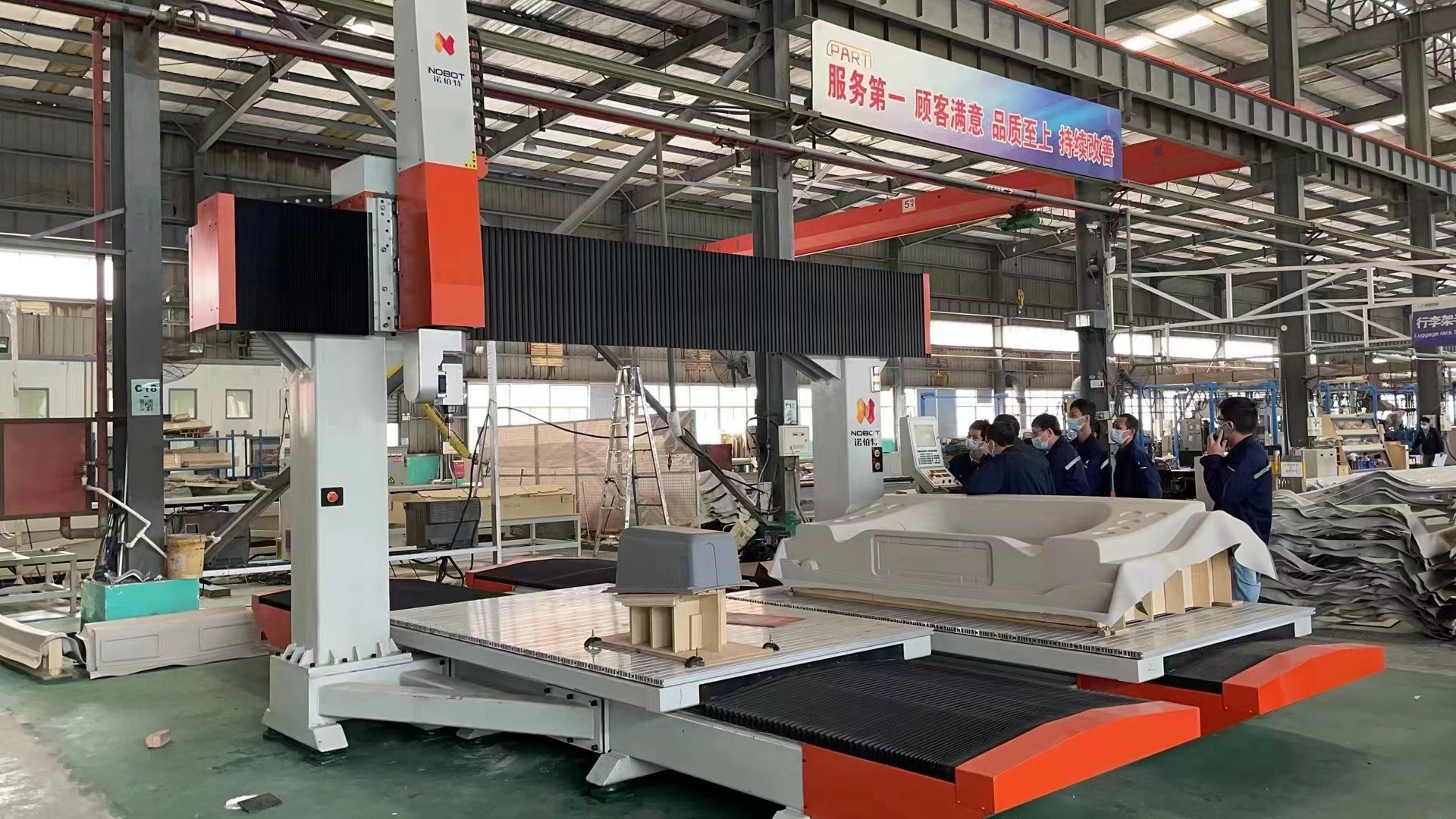
Dual-station five-axis machines offer several significant advantages. First, while one station is being machined, the other can be used for material loading and unloading, ensuring continuous, non-stop machining and significantly improving production efficiency. Second, the dual-station design makes operation more convenient and reduces waiting time. However, dual-station five-axis machines typically cost more than single-station machines and may require more operating and maintenance space.
Nobot Intelligent Equipment Group Co., Ltd.
Pre-sales consultation:86-635-2932233
Fax:86-635-2945333
After-sales consultation:86-635-5086881 / 86-635-2936881
National unified service hotline:86-400-823-3356
Email:nuobote@nobot.cc
Address: No. 1 Plant, No. 88 Huanghe Road, Gaoxin District, Liaocheng City, Shandong Province

copyright © 2025 Nobot Intelligent Equipment Group Co., Ltd.