

-
-
-
Application

-
-
-
-
Service
A Brief Discussion on the Design and Implementation of Non-standard Automated Production Lines
Published Time:
Mar 17,2020
What is non-standard automation? Non-standard automated production lines mainly refer to single-machine equipment or production lines specifically designed for a certain product or type of product, tailored to customer needs and requirements for product processing, manufacturing, technology, and processes, unlike general-purpose equipment. The market prospects are broad, but the engineering design and implementation require further improvement and development towards integration and modularization. So, how much do you know about non-standard automated production lines? Below, Xiaonuo will briefly discuss the design and implementation of non-standard automated production line engineering.

What is non-standard automation? Non-standard automated production lines mainly refer to single-machine special equipment or production lines for a specific product or category of products, tailored to customer needs and requirements for product processing, manufacturing, technology, and processes, unlike general-purpose equipment. The market prospects are broad, but the engineering design and implementation require further improvement and development towards integration and modularization. So, how much do you know about non-standard automated production lines? Below, Xiaonuo will have a brief discussion with you about the design and implementation of non-standard automated production line engineering.
I. Definition of Non-Standard Automated Production Lines Non-standard automated production lines mainly refer to single-machine special equipment or production lines for a specific product or category of products, tailored to customer needs and requirements for product processing, manufacturing, technology, and processes, unlike general-purpose equipment.
II. Overview of Non-Standard Automated Production Lines For non-standard automated production line engineering, based on customer needs, the market can be roughly categorized into several types:
1) Mature automated or semi-automated production lines, such as engine and cylinder head assembly lines in the automotive parts field, and deep-processing production lines for automotive windshields and flat glass;
2) Renovation and upgrading of existing production lines. For example, with the increasing quality requirements of automotive companies for auto parts, improvements in processes and product diversification, such as improvements in the shape of automotive windshields and processing technologies exceeding the design scope and capabilities of the original production line, it is necessary to renovate and upgrade the automated production line. On the other hand, production lines are developing towards full automation, and some originally manual workstations are being transformed into fully automated workstations to reduce labor costs and improve efficiency. For example, the transformation of raw glass loading and finished glass unloading in automotive windshield production lines.
3) Non-standard production lines with potential demand. Some small and medium-sized enterprises, similar to handicraft workshops or labor-intensive enterprises with core competitive products, are forced to design new processing and technological processes due to labor costs, production efficiency, and product quality, such as enterprises producing polyester boards or data cables.
III. Implementation of Non-Standard Automated Production Line Engineering The specific implementation will vary slightly depending on the nature, quantity, and scale of the project, but the main steps are as follows:
1. Clarify customer needs. Clarify the customer's requirements for product processing and production processes, the reasons for the process requirements (for upgraded production lines, clarify why improvements and upgrades are needed), and the specific parameters and targets to be achieved by the process (such as product output requirements).
2. Collect product characteristics and factory information. Clarify and collect relevant parameters of the project (such as product dimensions, weight, and processing accuracy), engineering conditions at the factory site (length, width, and height of the factory workshop, workshop voltage, water flow rate and pressure, compressed air flow rate and pressure, local climate conditions, and geological conditions, etc.).
3. Feasibility study and preliminary plan. Based on customer process requirements and site conditions, and based on the current development level of mechanical engineering and electrical automation, conduct a feasibility study to obtain a preliminary process layout diagram. A key step in the feasibility analysis is to obtain an investment estimate for the project based on the process layout diagram, evaluate the investment-output ratio, and provide suggestions and references to the customer.
4. Scheme confirmation. After conducting a feasibility analysis, 1-3 schemes are produced.
Scheme 1:
A scheme that may be relatively easy to introduce and reference. That is, existing mature production lines for similar products, borrowing the setting of the main process workstations.
Scheme 2:
A scheme that meets existing necessary conditions and expects pre-booked effects.
Scheme 3:
A scheme with research topics and adapted to future settings. Based on the above schemes, arguments are made for comparison, and descriptions of each scheme are written. Based on the evaluation of the input and investment effects of each scheme, and combined with key decisive technical issues in the project and their countermeasures, the optimal scheme is confirmed.
5. Confirm the project schedule and plan. Based on the customer's required project schedule, use office software such as Word, Excel, or Project to develop a project plan, including tasks, personnel, and progress targets for each stage.
6. Detailed design phase. Based on the layout diagram and project schedule, conduct business division, divide self-made and outsourced work. The nature, quantity, and scale of the project are different, and the business content is also different. Generally, it is shared by multiple people simultaneously. It mainly includes overall design, program control design, process design, peripheral equipment design, safety protection design, detailed specifications, and the drawing of processing drawings. In the detailed design phase, for non-standard automated production lines, it mainly involves the cooperation of various professional designs, combined with previous experience with non-standard production lines. For example, some commonly used non-standard mechanical equipment, elevators, turning machines, rotating equipment, transplanting machine design principles and related materials, and product samples of commonly used mechanical parts.
This is the end of Xiaonuo's analysis of non-standard automation. Let's learn about the Nobot Non-standard Automation Division below:
Relying on the company's comprehensive strength, the independently produced automated production lines of the Nobot Non-standard Business Division have been appraised by industry experts as excellent products. In 2018, Nobot was named one of the top 100 robot system integrators at the China Robot Summit.
The Nobot Non-standard Automation Division has successfully designed and implemented projects in the following industries:
1. Automotive parts processing and installation in the automotive manufacturing industry;
2. Production, transportation, and packaging in the food industry;
3. Product transportation on production lines in the electronics and electrical appliance industry;
4. Warehouse facility integration in the logistics industry;
5. Comprehensive application of robots in the assembly industry.
If you are interested in our products/services, please call Nobot Intelligent Equipment (Shandong) Co., Ltd. for information related to automated equipment production lines, non-standard automated production lines, fully automated production lines, and fully automatic packaging production line equipment. Hotline: 4008233356
BLOGS
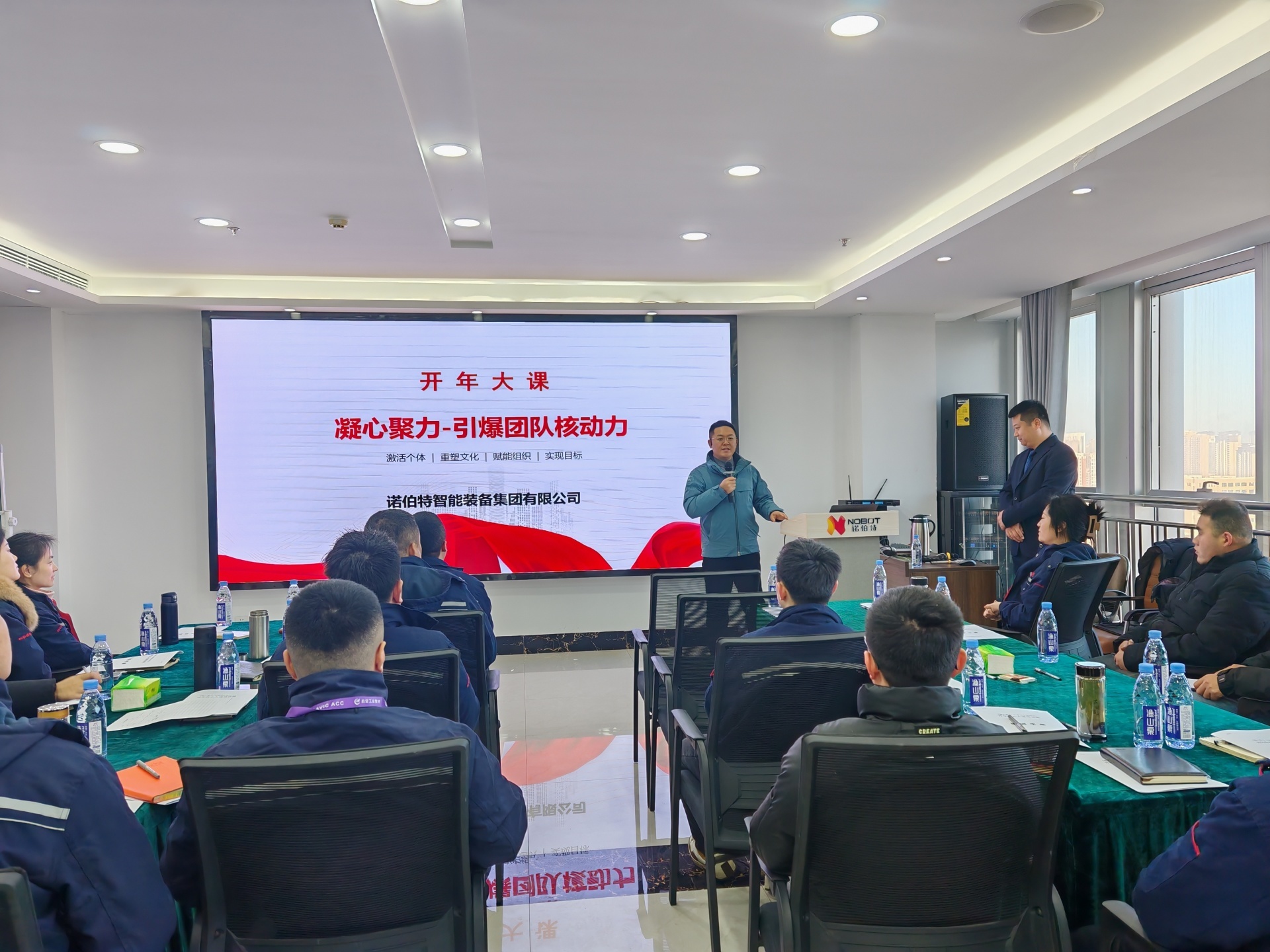
Nobot Group's 2025 Kick-off Event: A Team Building Activity Focused on Unity and Power
This opening ceremony was both a knowledge-boosting session, allowing employees to continuously grow through learning, and a team-building event, bringing everyone closer together. It impressed upon each employee that in today's increasingly competitive market, only by continuously learning new knowledge, daring to innovate, and maintaining teamwork can we remain undefeated. With the collective efforts of all employees, Nobot will surely ride the waves and achieve even greater success on this new journey, steadily advancing towards higher goals!
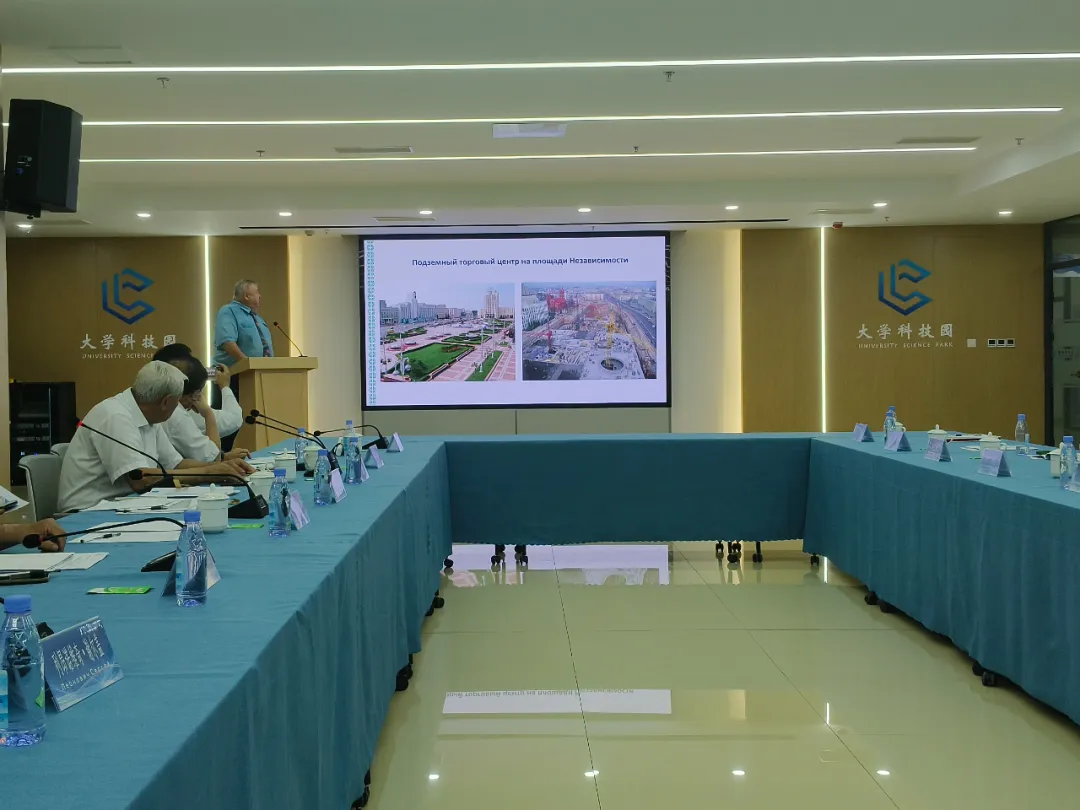
Nobot was invited to attend the Belt and Road International Exchange Conference
On July 28, 2024, the 2024 Liaocheng "Belt and Road" International Exchange Conference and the Unveiling Ceremony of the Central Asia International High-end Talent Joint Training Base were held in the Liaocheng High-tech Zone University Science and Technology Park. Professor Tursunbayev Zaporotot, President of Osh Technological University of the Kyrgyz Republic and corresponding academician of the Kyrgyz Academy of Engineering, and Academician Smaylor Erta of the Kyrgyz Academy of Engineering and the Russian Academy of Natural Sciences, among other experts and scholars from "Belt and Road" countries, participated in the event. Liaocheng Deputy Mayor Wang Gang and Zhang Ya, Party Secretary and Director of the Management Committee of the High-tech Zone, attended the event and delivered speeches.
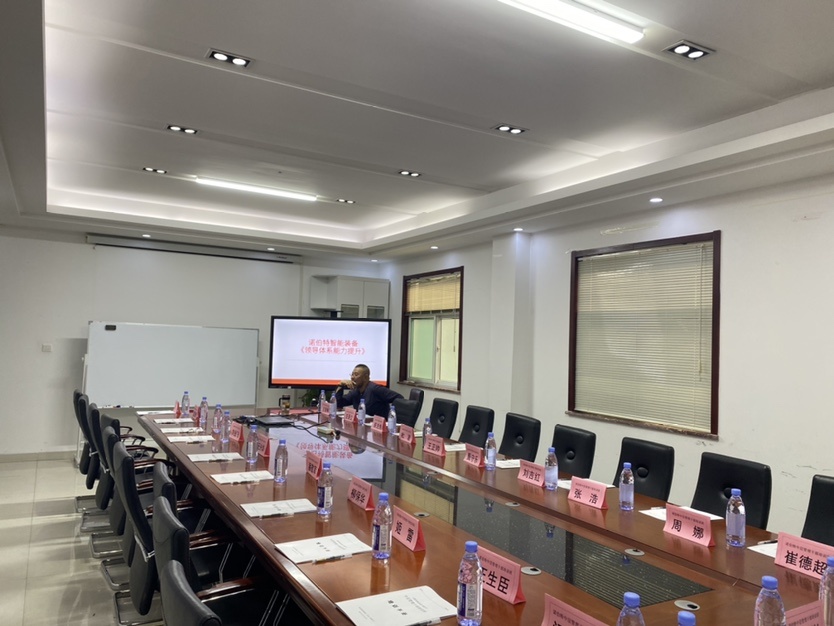
This training event not only provided a valuable learning opportunity for company managers and key personnel, but also built a platform for communication and sharing. During the training, everyone actively interacted and discussed enthusiastically, exploring effective ways to improve management capabilities together. Through this training, everyone has gained rich knowledge and skills, but more importantly, it has inspired confidence and motivation for the future.
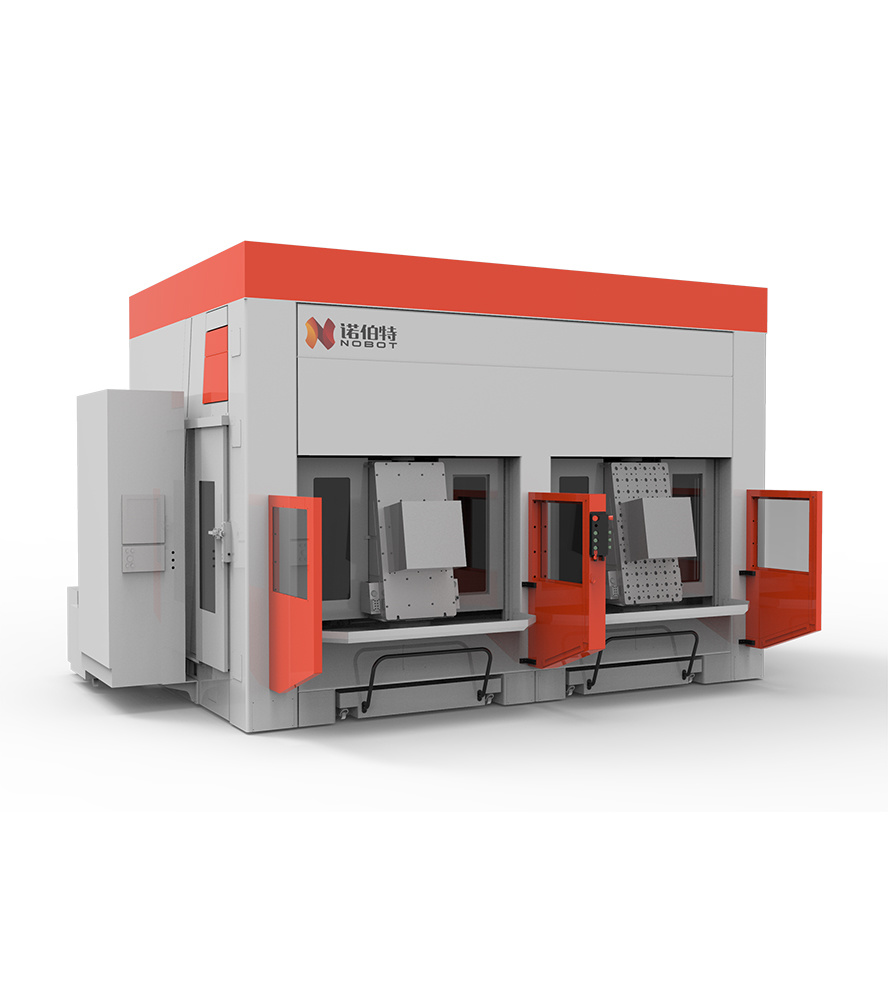
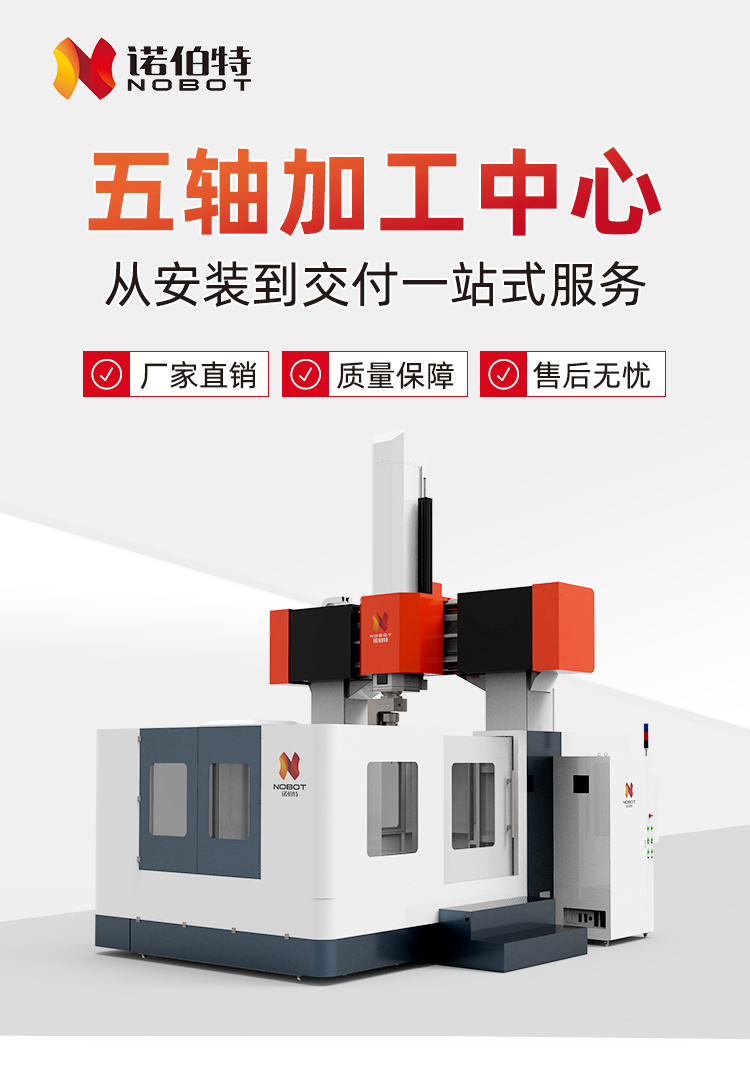
How to use a five-axis machining center efficiently? Today, let's learn a few practical steps!
When using a five-axis machining center, the equipment must first be adjusted to ensure that the workpiece and fixture dimensions precisely match, and that the zero points of each axis are accurately adjusted.
Why do composite materials require 5-axis CNC machining?
Composite materials are widely used in various fields such as aerospace, automotive, construction, energy, energy storage, infrastructure, marine, pipelines and tanks, sports and entertainment, and transportation due to their light weight, high fatigue resistance, and strong fracture resistance. Among them, aerospace and automotive industries are the largest application markets for composite materials. Five-axis CNC plays an important role in the processing of composite materials. Why do composite materials need to be processed using five-axis CNC?
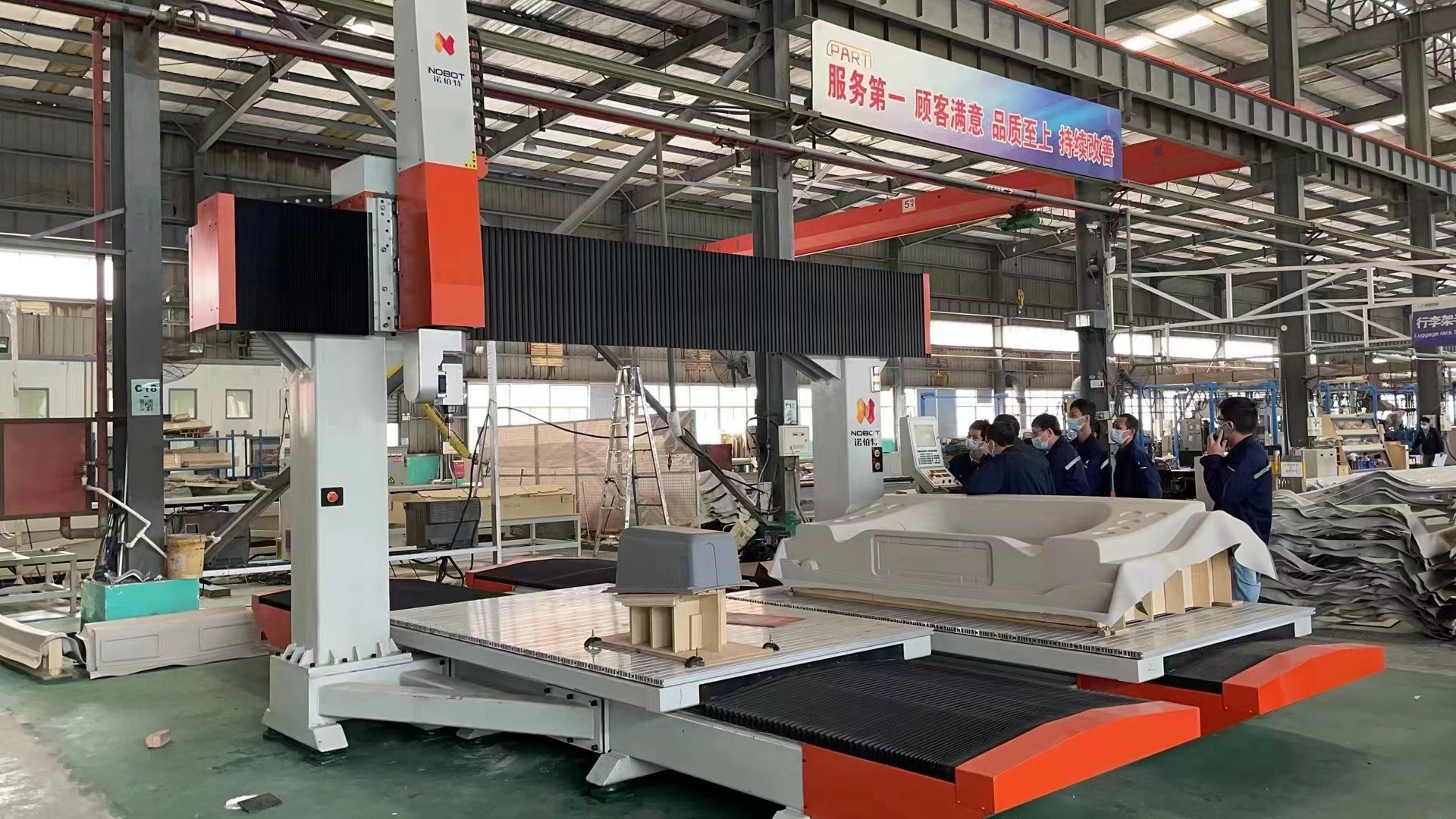
Dual-station five-axis machines offer several significant advantages. First, while one station is being machined, the other can be used for material loading and unloading, ensuring continuous, non-stop machining and significantly improving production efficiency. Second, the dual-station design makes operation more convenient and reduces waiting time. However, dual-station five-axis machines typically cost more than single-station machines and may require more operating and maintenance space.
Nobot Intelligent Equipment Group Co., Ltd.
Pre-sales consultation:86-635-2932233
Fax:86-635-2945333
After-sales consultation:86-635-5086881 / 86-635-2936881
National unified service hotline:86-400-823-3356
Email:nuobote@nobot.cc
Address: No. 1 Plant, No. 88 Huanghe Road, Gaoxin District, Liaocheng City, Shandong Province

copyright © 2025 Nobot Intelligent Equipment Group Co., Ltd.