

-
-
-
Application

-
-
-
-
Service
Twelve Application Scenarios of Nobot Industrial Robots
Published Time:
Jan 25,2019
Nobot, based on specific production processes and the actual structure of machine tools, uses industrial robots to form production lines, achieving automation and unmanned operation of the processing process. It helps enterprises utilize industrial robot technology to replace manual labor, greatly improving labor productivity.
Currently, in most factories in China, production lines still rely heavily on manual labor. This results in high labor intensity, low production efficiency, and inherent risks, failing to meet the demands of automated production. To improve work efficiency and reduce costs, , and to develop flexible manufacturing systems, , meeting the requirements of automated production in the modern machinery industry, , Nobot addresses specific production processes, , combining the actual structure of machine tools. By applying industrial robot combinations to form production lines, it achieves automated and unmanned processing. It helps enterprises utilize industrial robot technology to replace manual labor, significantly improving labor productivity.

Below, Xiaonuo introduces the applications of Nobot industrial robots in various industries:
1. Spot Welding
Spot welding robots perform spot welding operations according to the actions, sequence, and parameters specified in the teaching program. The process is fully automated and has an interface for communication with external equipment. Through this interface, it can receive control commands from the higher-level master control and management computer.
2. Laser Welding
Laser welding is characterized by minimal workpiece deformation, virtually no connection gaps, and a high welding depth/width ratio, resulting in higher welding quality than traditional methods.
3. Laser Cutting
Robot laser cutting systems combine the advantages of industrial robots—the ability to freely and flexibly achieve various complex three-dimensional curve processing paths—with the use of flexible, long-distance laser fiber transmission as the transmission medium, which does not restrict the robot's movement path.
4. Machine Tool Loading and Unloading
Loading and unloading robot systems are highly efficient and stable, with simple structures that are easy to maintain. , They can meet the production needs of various products. , For users, , product structure adjustments and capacity expansion can be quickly implemented. , Furthermore, it significantly reduces the labor intensity of industrial workers.
5. Forging
Forging robots are automatically controlled by advanced computers and programs, completely replacing manual labor. They perform continuous loading, turning, and unloading in the forging production process—tasks that are dangerous, repetitive, and labor-intensive. This effectively reduces labor intensity and risk, improves the degree of production automation, and increases production efficiency.
6. Deburring
Deburring robots integrate the latest research results from multiple disciplines, including mechanics, precision machinery, microelectronics and computers, automatic control and drive, sensors and information processing, and artificial intelligence. They solve many practical problems that are difficult to solve manually and promote the progress of industrial automation.
7. Stamping
The application of robotic arms in stamping improves the automation of material handling, workpiece loading and unloading, tool changing, and machine assembly, increasing labor productivity, reducing production costs, and accelerating the pace of industrial mechanization and automation.
8. Glue Dispensing
The use of robots significantly improves the efficiency of glue and adhesive dispensing, saving a large amount of manpower and reducing labor costs. The investment in a robot can be recouped within a year, and with proper maintenance, the robot can operate for at least ten years. With the rise of large-scale, fully automated glue dispensing production lines, glue dispensing systems will have broader market prospects and development potential!
9. Assembly
Assembly robots are the core equipment of flexible automated assembly systems, consisting of a robot manipulator, controller, end effector, and sensing system. The manipulator structures include horizontal articulated, Cartesian, multi-joint, and cylindrical types; controllers generally use multi-CPU or multi-level computer systems to achieve motion control and motion programming. ; End effectors are designed as various grippers and wrists to adapt to different assembly objects; the sensing system acquires information about the interaction between the assembly robot and the environment and assembly objects.
10. Robot Vision
Robot vision is an important part of a robot system. Robot vision can acquire two-dimensional images of the environment through visual sensors, and analyze and interpret them through a visual processor, converting them into symbols so that the robot can identify objects and determine their location.
11. Spray Painting
Spray painting robots are industrial robots that can automatically spray paint or other coatings. The main advantages of spray painting robots are:
(1) High flexibility and a large working range;
(2) Improved spraying quality and material utilization;
(3) Easy operation and maintenance, offline programming, significantly reducing on-site debugging time;
(4) High equipment utilization rate; the utilization rate of spray painting robots can reach 90%-95%.
12. Sorting
Sorting robots are robots equipped with sensors, lenses, and electro-optical systems that can quickly sort goods. Automated sorting robots are now widely used. A Japanese-developed automatic apple sorting machine can select 540 apples per minute, classifying them by color, gloss, and size and sending them into different containers.
Nobot Intelligent Equipment (Shandong) Co., Ltd. is a leading domestic supplier of industrial robots. The company adheres to technological innovation, driven by core technology, aiming for high quality, and prioritizing the improvement of user productivity. Its main businesses include: five-axis carving machines, stamping robots, palletizing robots, stacking machines, and non-standard automation equipment. Welcome customers with needs to call for consultation, telephone: 4008233356 For more information on Nobot products, please visit the Nobot website. www.nobot.cc
BLOGS
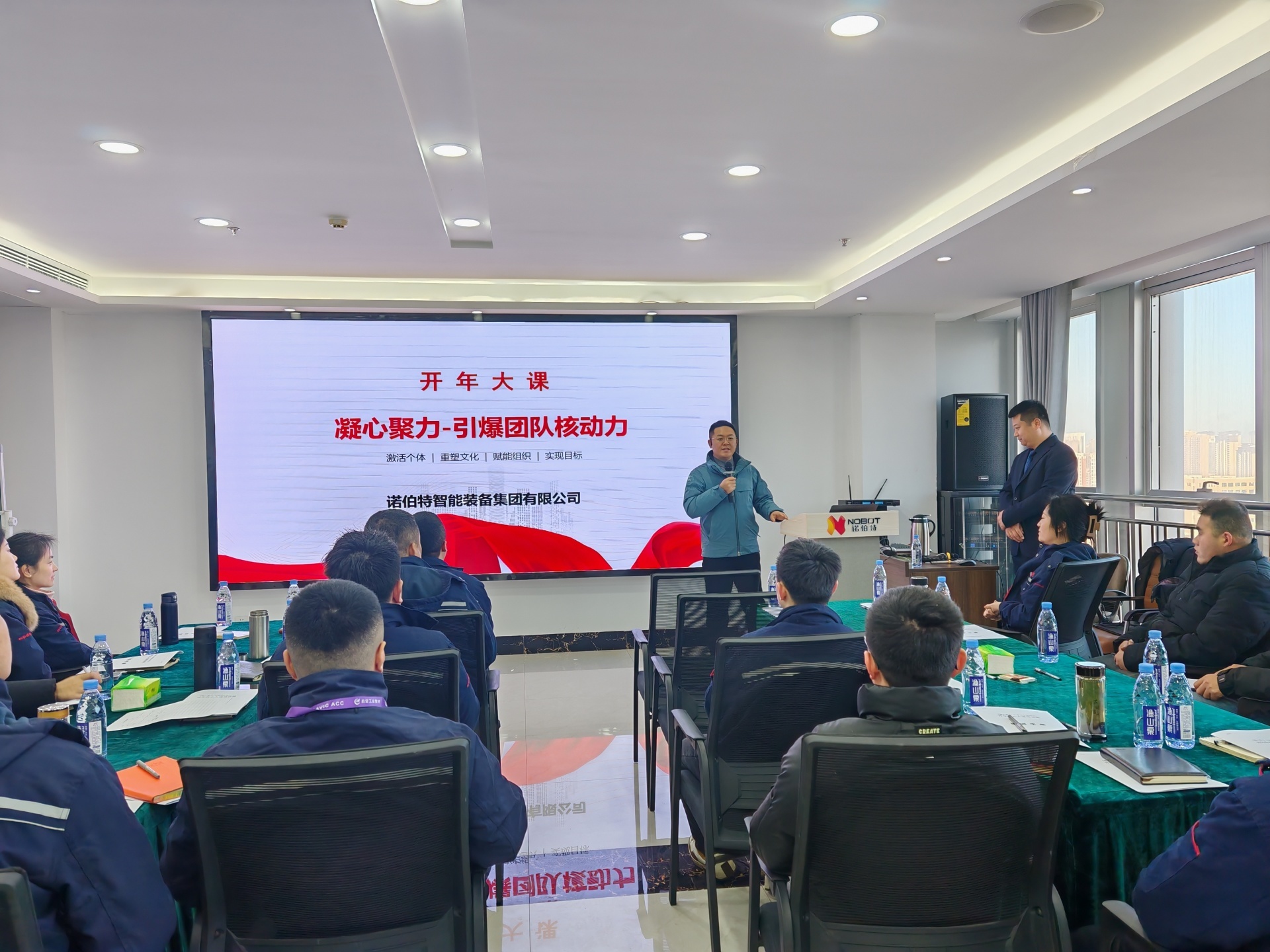
Nobot Group's 2025 Kick-off Event: A Team Building Activity Focused on Unity and Power
This opening ceremony was both a knowledge-boosting session, allowing employees to continuously grow through learning, and a team-building event, bringing everyone closer together. It impressed upon each employee that in today's increasingly competitive market, only by continuously learning new knowledge, daring to innovate, and maintaining teamwork can we remain undefeated. With the collective efforts of all employees, Nobot will surely ride the waves and achieve even greater success on this new journey, steadily advancing towards higher goals!
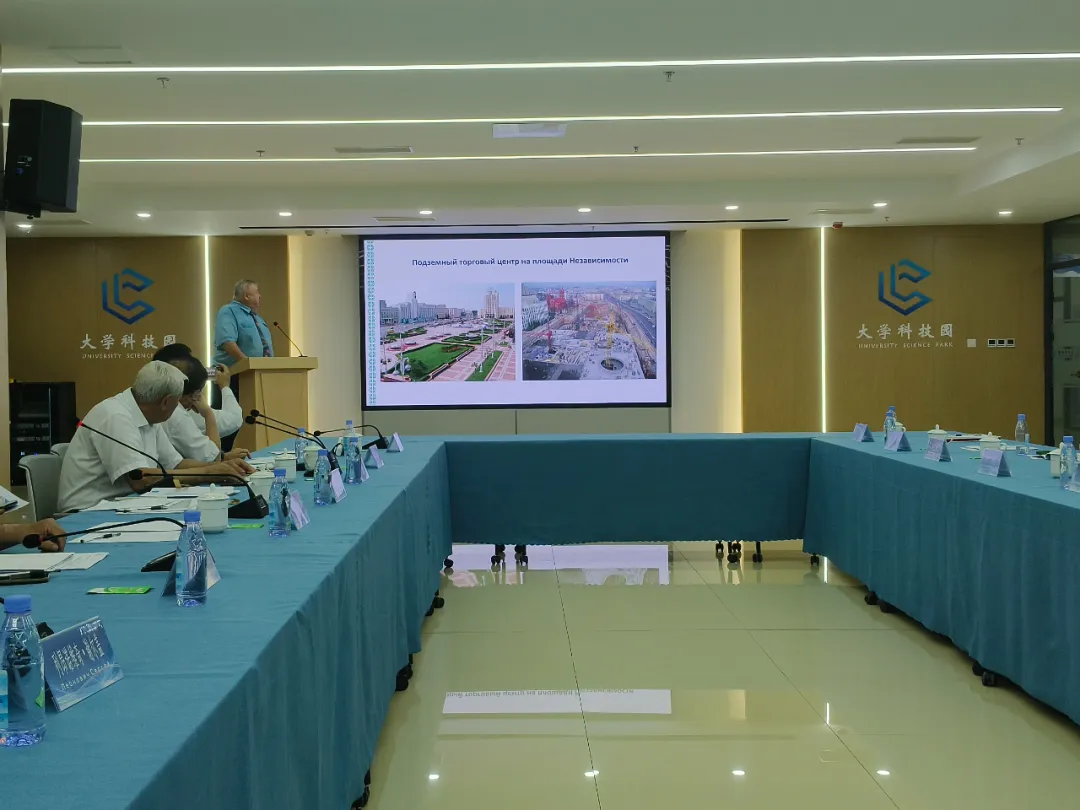
Nobot was invited to attend the Belt and Road International Exchange Conference
On July 28, 2024, the 2024 Liaocheng "Belt and Road" International Exchange Conference and the Unveiling Ceremony of the Central Asia International High-end Talent Joint Training Base were held in the Liaocheng High-tech Zone University Science and Technology Park. Professor Tursunbayev Zaporotot, President of Osh Technological University of the Kyrgyz Republic and corresponding academician of the Kyrgyz Academy of Engineering, and Academician Smaylor Erta of the Kyrgyz Academy of Engineering and the Russian Academy of Natural Sciences, among other experts and scholars from "Belt and Road" countries, participated in the event. Liaocheng Deputy Mayor Wang Gang and Zhang Ya, Party Secretary and Director of the Management Committee of the High-tech Zone, attended the event and delivered speeches.
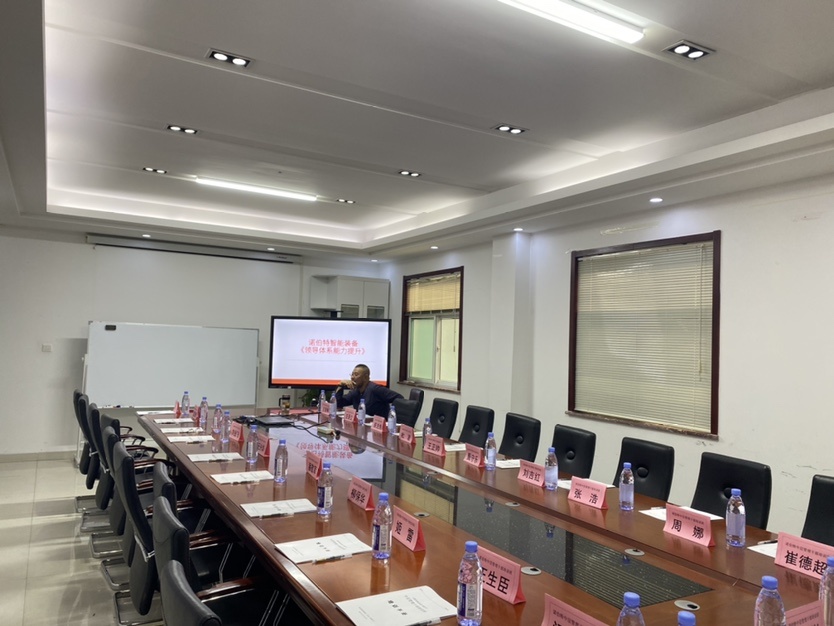
This training event not only provided a valuable learning opportunity for company managers and key personnel, but also built a platform for communication and sharing. During the training, everyone actively interacted and discussed enthusiastically, exploring effective ways to improve management capabilities together. Through this training, everyone has gained rich knowledge and skills, but more importantly, it has inspired confidence and motivation for the future.
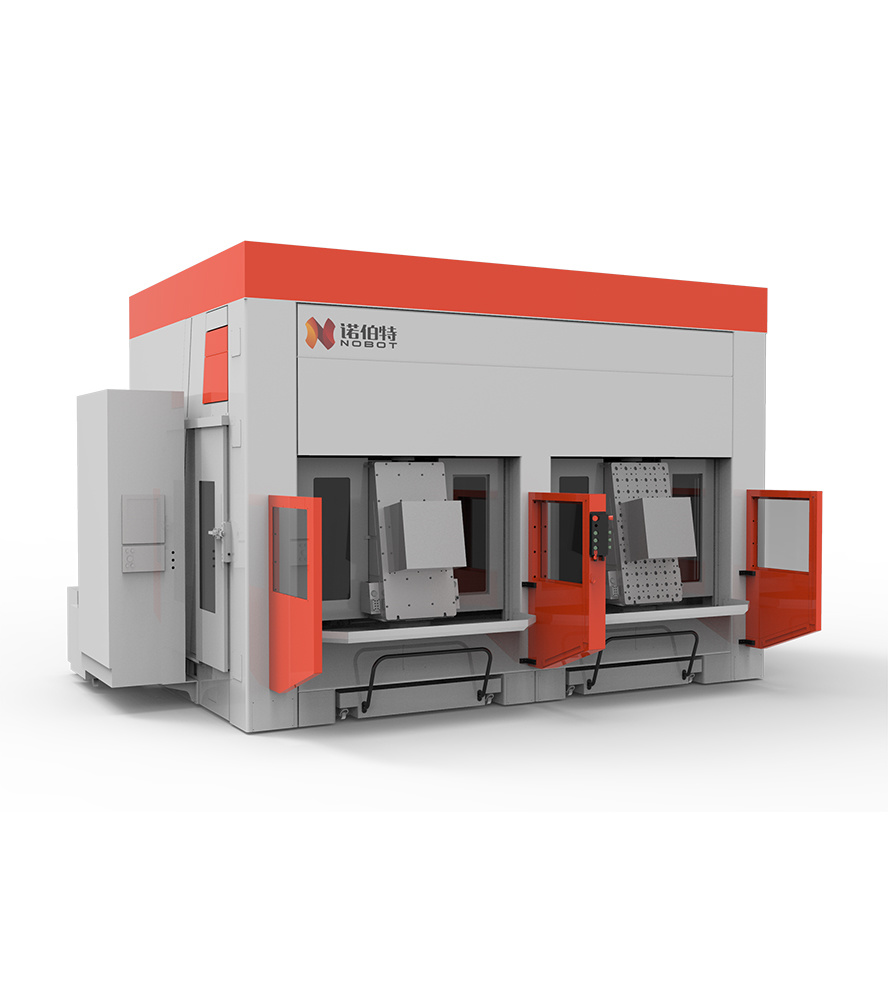
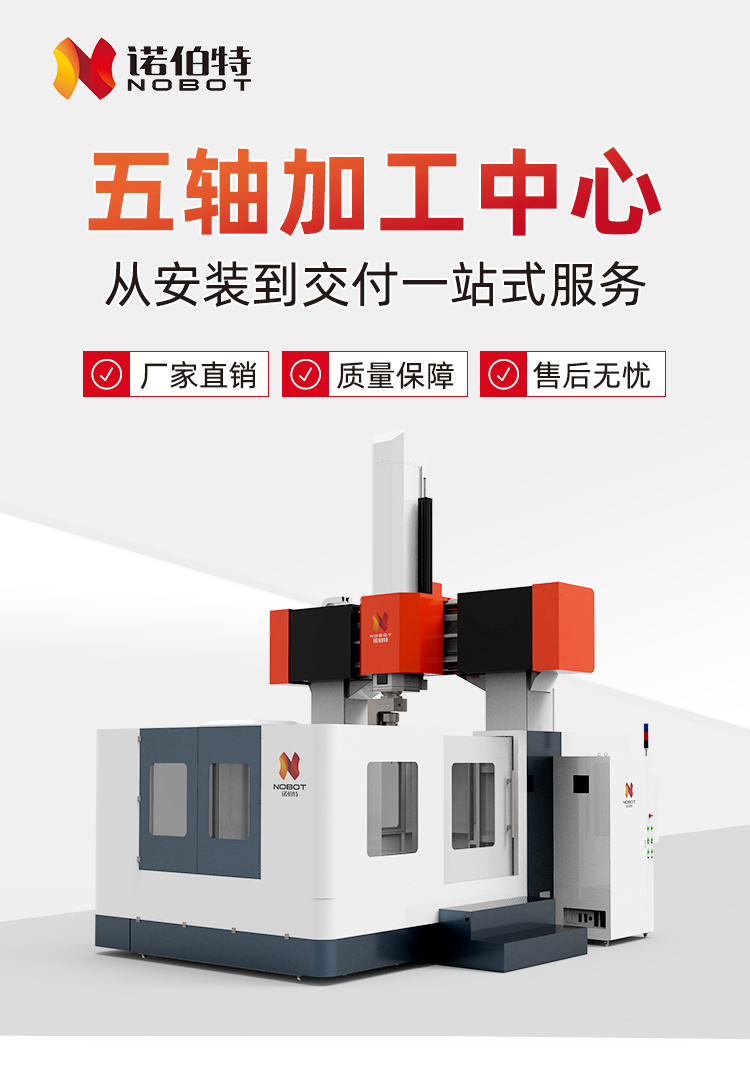
How to use a five-axis machining center efficiently? Today, let's learn a few practical steps!
When using a five-axis machining center, the equipment must first be adjusted to ensure that the workpiece and fixture dimensions precisely match, and that the zero points of each axis are accurately adjusted.
Why do composite materials require 5-axis CNC machining?
Composite materials are widely used in various fields such as aerospace, automotive, construction, energy, energy storage, infrastructure, marine, pipelines and tanks, sports and entertainment, and transportation due to their light weight, high fatigue resistance, and strong fracture resistance. Among them, aerospace and automotive industries are the largest application markets for composite materials. Five-axis CNC plays an important role in the processing of composite materials. Why do composite materials need to be processed using five-axis CNC?
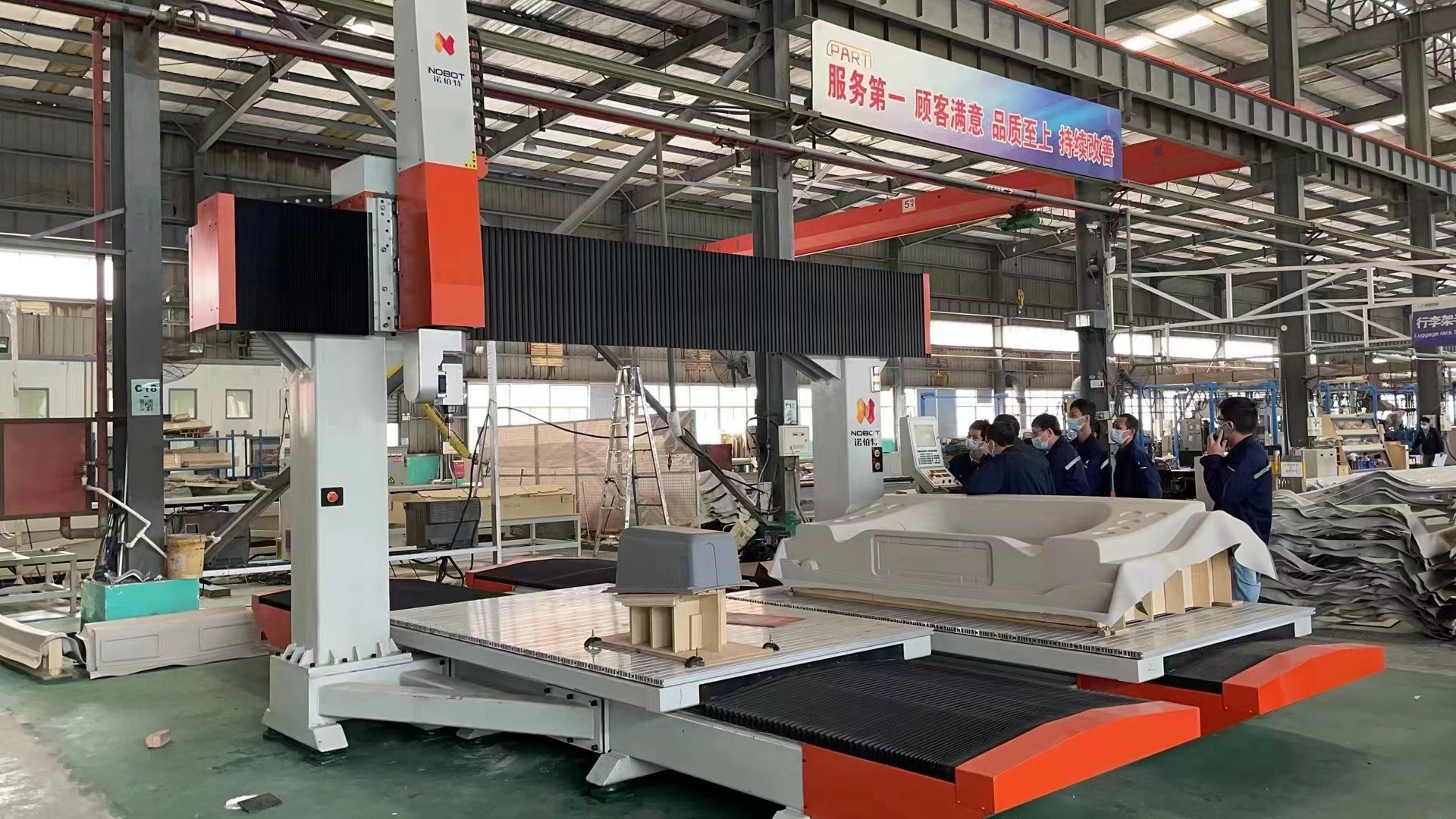
Dual-station five-axis machines offer several significant advantages. First, while one station is being machined, the other can be used for material loading and unloading, ensuring continuous, non-stop machining and significantly improving production efficiency. Second, the dual-station design makes operation more convenient and reduces waiting time. However, dual-station five-axis machines typically cost more than single-station machines and may require more operating and maintenance space.
Nobot Intelligent Equipment Group Co., Ltd.
Pre-sales consultation:86-635-2932233
Fax:86-635-2945333
After-sales consultation:86-635-5086881 / 86-635-2936881
National unified service hotline:86-400-823-3356
Email:nuobote@nobot.cc
Address: No. 1 Plant, No. 88 Huanghe Road, Gaoxin District, Liaocheng City, Shandong Province

copyright © 2025 Nobot Intelligent Equipment Group Co., Ltd.