

-
-
-
Application

-
-
-
-
Service
Nobot tells you how to choose a non-metallic five-axis machining center
Published Time:
Nov 11,2020
In the past, five-axis machining centers were mostly manufactured in Germany, the United States, and Italy. It is encouraging to see that in recent years, many domestically produced five-axis machining centers have been exhibited at the "China CNC Machine Tool Exhibition". With the continuous improvement of our living standards, the research and development and production of high-end products are inseparable from five-axis machining centers, and their use is becoming increasingly widespread. For example: automobile production, automobile model making, sanitary ware processing, high-end furniture manufacturing, etc. Non-metallic five-axis machining centers have become the "main force" of modern manufacturing.
In the past, five-axis machining centers were mostly manufactured in Germany, the United States, and Italy. It is encouraging to see that in recent years, many domestically produced five-axis machining centers have been exhibited at the "China CNC Machine Tool Exhibition." With the continuous improvement of our living standards, the research and development of high-end products and their production are inseparable from five-axis machining centers, and the use of five-axis machining centers is increasing. For example: automobile production, automobile model making, sanitary ware processing, high-end furniture manufacturing, etc. Non-metallic five-axis machining centers have become the "main force" of modern manufacturing. With their high processing precision, high efficiency, and stable precision, they have become increasingly popular in factories, research institutes, and schools. Non-metallic five-axis machining centers can meet the processing needs of products with more complex shapes and more processes.

Below, Nobot will provide a detailed introduction on how to choose non-metallic five-axis machining center equipment:
A non-metallic five-axis machining center is a type of machining where three main motion axes (X, Y, Z) and two rotary axes (usually A, C or B, C) of the machining center move together. It is usually used to machine parts with complex curves, such as impellers, wings, and molds. Because most or even all of the processes for a part can be completed with a single clamping, it avoids the positioning errors that occur in multiple clamping operations in three-axis and four-axis machining centers. Therefore, the parts produced have higher precision and require less auxiliary time. When machining parts with a non-metallic five-axis machining center, the machining program for the part should first be compiled. This is the work instruction for the CNC machine tool. The machining program is input into the CNC device, which then controls the speed change, start and stop, feed direction, speed, and displacement of the machine tool's main movement, as well as other actions such as tool selection and replacement, workpiece clamping and loosening, and the on/off of cooling and lubrication, so that the tool, workpiece, and other auxiliary devices move strictly according to the sequence, trajectory, and parameters specified in the machining program, thereby machining parts that meet the requirements.

Structural Selection:
Five-axis machining centers are divided into gantry five-axis machining centers and fixed-beam, fixed-column, bed-moving five-axis machining centers according to their structure. With the continuous development of information technology and computer digital technology, the performance and efficiency of CNC machine tools are constantly improving. Currently, higher-grade CNC systems already possess high efficiency and high precision, suitable for processing complex curves, but they require the machine tool as a whole to have good rigidity, high precision, good stability, and a fast response speed from the CNC system.
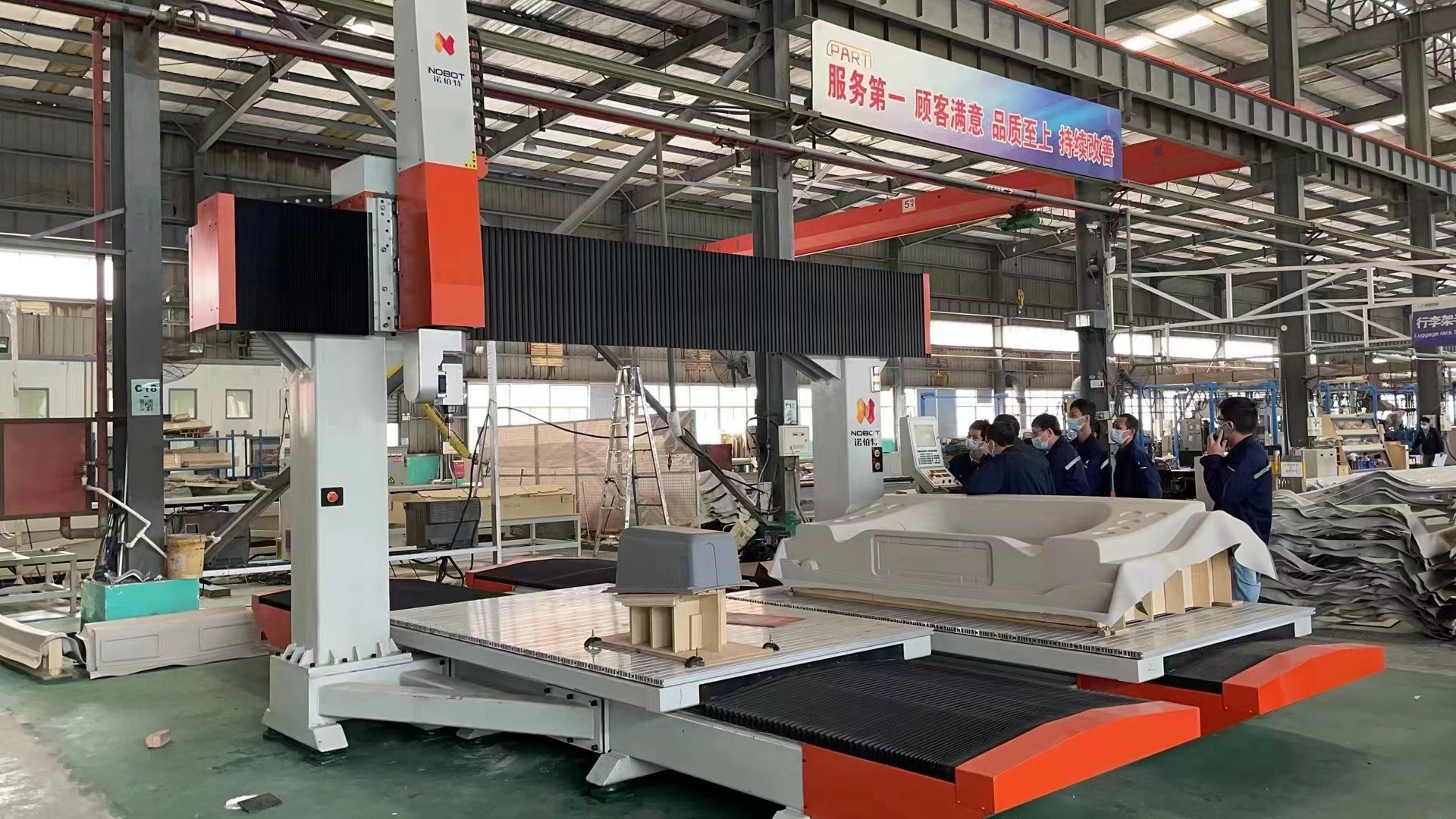
Gantry five-axis machining centers have a large worktable load capacity and are not affected by the impact of loading and unloading workpieces or other factors that interfere with the deformation of the machine tool. The biggest advantage is the convenient workpiece clamping, which can fully utilize the actual effective length of the worktable to machine workpieces. Therefore, it can machine larger items, such as yacht bottoms, wind turbine blades, and automotive molds.
For bed-moving five-axis machining centers, the worktable moves uniformly, and crawling is unlikely to occur during low-speed operation. It has good positioning accuracy, small traction force, good precision retention, long life, and strong maintainability, but its resistance to vibration and impact is poor. Therefore, bed-moving five-axis machining centers are more suitable for the production of fine products such as crafts and molds.

Spindle: Five-axis machining center spindles are divided into single-swing head and double-swing head types according to the rotating axis;
Double-swing head five-axis Both rotating axes belong to the swing head type, The B-axis rotation plane is the ZX plane, and the C-axis rotation plane is the XY plane. The two rotating axes are combined into a whole to form a double-swing head structure.
Features: During processing, the worktable does not rotate or swing; the workpiece is fixed on the worktable and remains stationary during processing. Suitable for processing large and heavy workpieces; however, because the spindle swings during processing, the rigidity is poor, and the cutting amount is small.
Single-swing head five-axis
Features: During processing, the spindle swings only in one rotation plane.
Table: Most five-axis machining centers can be designed with a single table or a double worktable. With a double worktable, while one worktable is being processed, the other worktable is outside the processing area for workpiece replacement, preparing for the processing of the next workpiece. The time for worktable exchange depends on the size of the worktable, ranging from a few seconds to tens of seconds.
Suitable CAM Software:
Using suitable CAM software for programming five-axis machining technology can provide users with more realistic and effective strategies to reduce the number of cycles, reduce processing steps, improve surface quality and processing quality, and extend tool life, which is impossible for traditional three-axis machining.
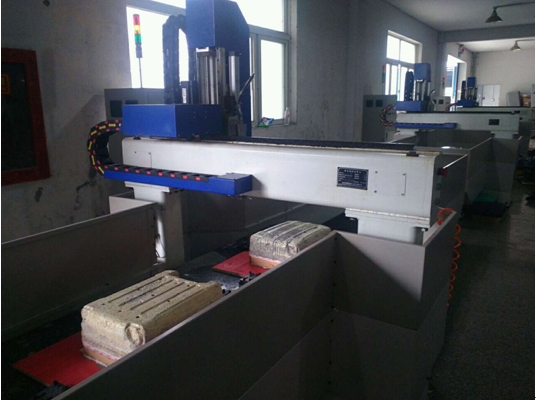
Now, more and more machine tools and controllers can meet the requirements of five-axis milling, but in terms of CAM software, truly five-axis simultaneous machining has not been sufficiently popularized. Some users still use the positioning five-axis machining (3+2) method, which requires complex optimization.
Positioning five-axis machining is completed through a "three-axis" system, and the fourth and fifth axes are positioned in the rotating position. Its main advantages include: effective use of shorter tools, less tool protrusion, faster cutting, longer tool life, improved machining accuracy and surface accuracy. All this can be achieved by simply creating a series of positioning work planes. In addition, positioning five-axis machining requires fewer processing steps, saving time, reducing the error rate of machine tool processing, and improving machine tool utilization.
Five-axis simultaneous machining
When machining a mold cavity that is relatively deep and has very narrow sections, if the three-axis tool path of positioning five-axis machining is still used, mutual interference is usually unavoidable, and at the same time, some other areas may not be fully covered. In this case, five-axis simultaneous machining is definitely a better choice.
Of course, there are many advanced CAM systems on the market that can provide professional and reliable, truly five-axis simultaneous machining solutions, such as ALPHACAM software from UK-based Leica imported by Xinghui Company, PowerMILL software from DELCAM, and HyperMILL software from German OPENMIND. These allow users to create continuous five-axis tool paths on complex curves, solids, and 3D models, and the tool paths are automatically checked and optimized, supporting a variety of machining strategies and all tool types.
The advantages of five-axis simultaneous machining are that it allows the tool feed direction to continuously maintain a suitable angle with the workpiece surface to obtain better surface quality, better approach to chamfers, and improved tool life. More economical tool utilization, reduced cycle time, and one-time clamping all save time, reduce the error rate of machine tool processing.

BLOGS
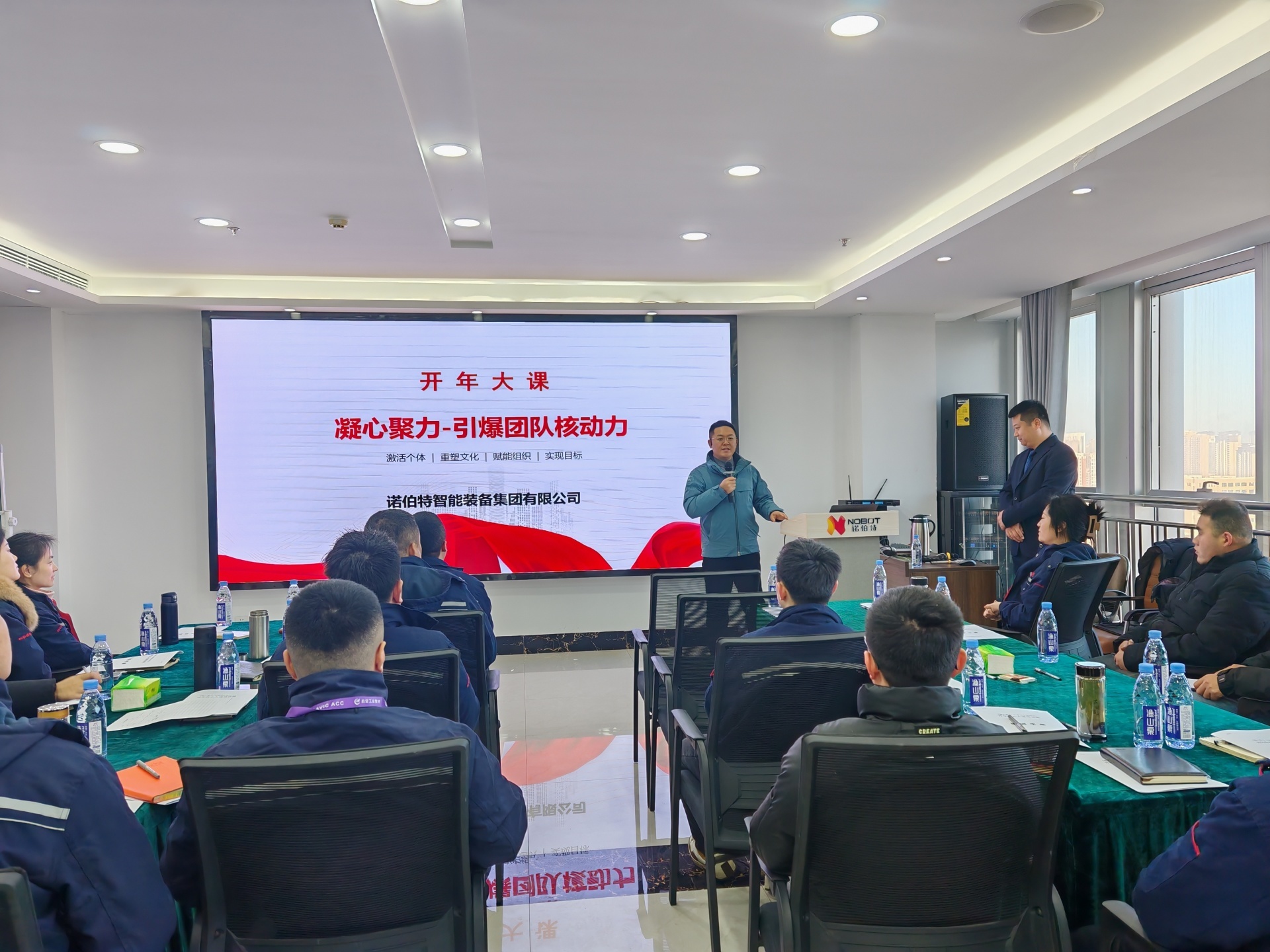
Nobot Group's 2025 Kick-off Event: A Team Building Activity Focused on Unity and Power
This opening ceremony was both a knowledge-boosting session, allowing employees to continuously grow through learning, and a team-building event, bringing everyone closer together. It impressed upon each employee that in today's increasingly competitive market, only by continuously learning new knowledge, daring to innovate, and maintaining teamwork can we remain undefeated. With the collective efforts of all employees, Nobot will surely ride the waves and achieve even greater success on this new journey, steadily advancing towards higher goals!
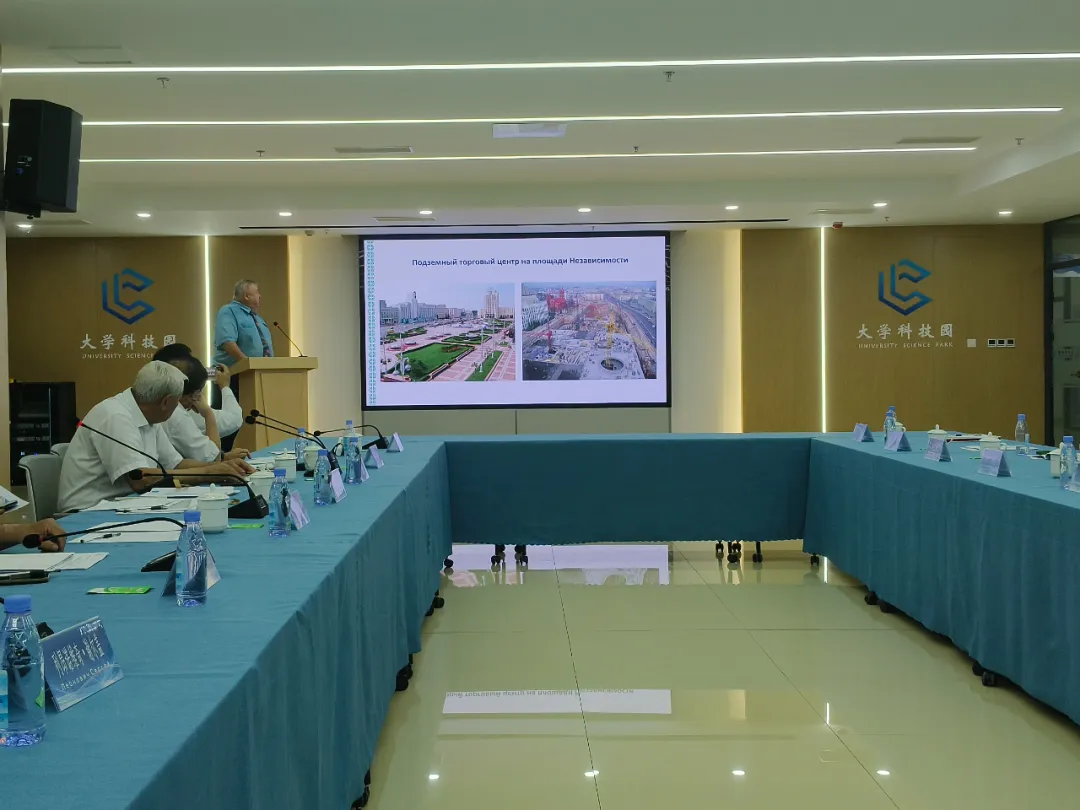
Nobot was invited to attend the Belt and Road International Exchange Conference
On July 28, 2024, the 2024 Liaocheng "Belt and Road" International Exchange Conference and the Unveiling Ceremony of the Central Asia International High-end Talent Joint Training Base were held in the Liaocheng High-tech Zone University Science and Technology Park. Professor Tursunbayev Zaporotot, President of Osh Technological University of the Kyrgyz Republic and corresponding academician of the Kyrgyz Academy of Engineering, and Academician Smaylor Erta of the Kyrgyz Academy of Engineering and the Russian Academy of Natural Sciences, among other experts and scholars from "Belt and Road" countries, participated in the event. Liaocheng Deputy Mayor Wang Gang and Zhang Ya, Party Secretary and Director of the Management Committee of the High-tech Zone, attended the event and delivered speeches.
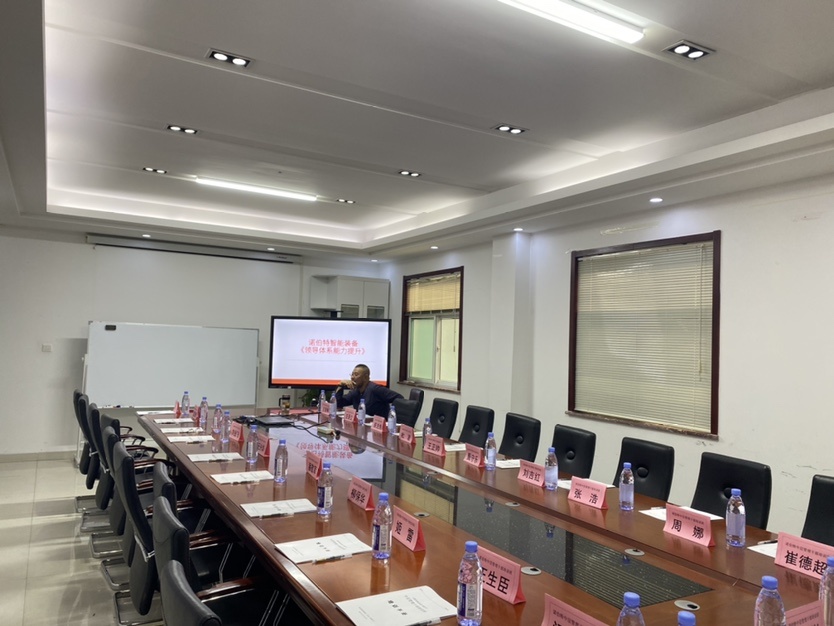
This training event not only provided a valuable learning opportunity for company managers and key personnel, but also built a platform for communication and sharing. During the training, everyone actively interacted and discussed enthusiastically, exploring effective ways to improve management capabilities together. Through this training, everyone has gained rich knowledge and skills, but more importantly, it has inspired confidence and motivation for the future.
How to use a five-axis machining center efficiently? Today, let's learn a few practical steps!
When using a five-axis machining center, the equipment must first be adjusted to ensure that the workpiece and fixture dimensions precisely match, and that the zero points of each axis are accurately adjusted.
Why do composite materials require 5-axis CNC machining?
Composite materials are widely used in various fields such as aerospace, automotive, construction, energy, energy storage, infrastructure, marine, pipelines and tanks, sports and entertainment, and transportation due to their light weight, high fatigue resistance, and strong fracture resistance. Among them, aerospace and automotive industries are the largest application markets for composite materials. Five-axis CNC plays an important role in the processing of composite materials. Why do composite materials need to be processed using five-axis CNC?
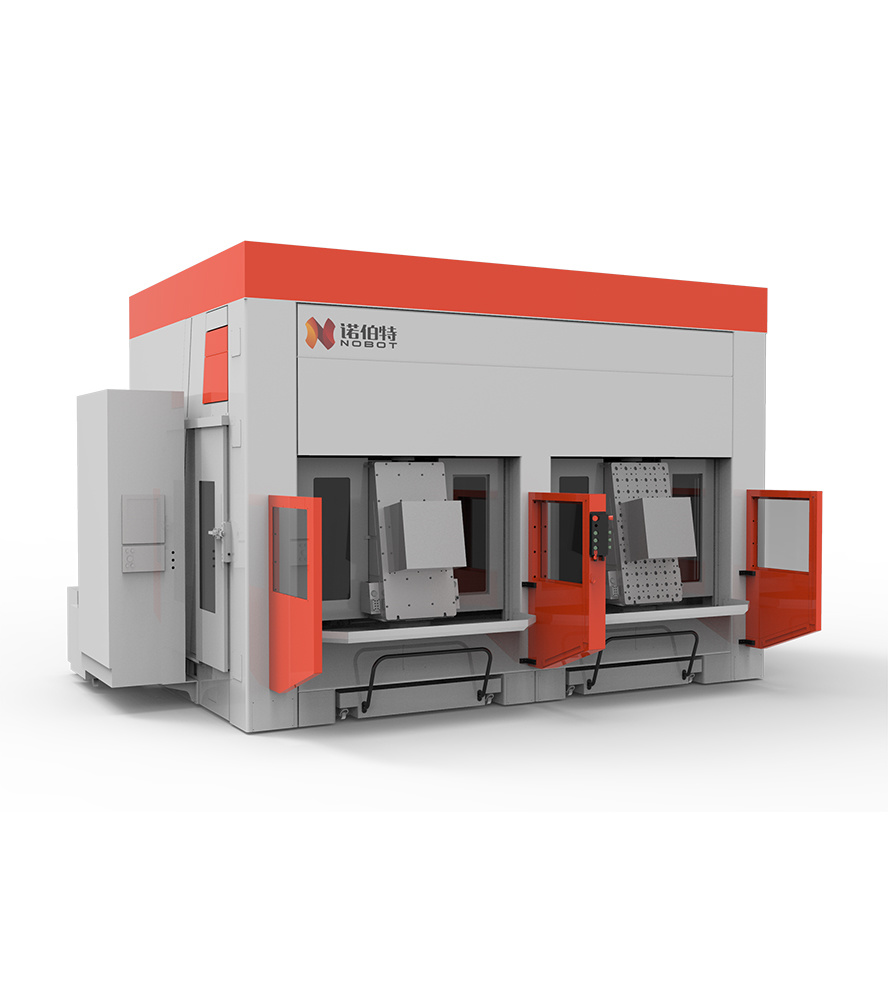
Dual-station five-axis machines offer several significant advantages. First, while one station is being machined, the other can be used for material loading and unloading, ensuring continuous, non-stop machining and significantly improving production efficiency. Second, the dual-station design makes operation more convenient and reduces waiting time. However, dual-station five-axis machines typically cost more than single-station machines and may require more operating and maintenance space.
Nobot Intelligent Equipment Group Co., Ltd.
Pre-sales consultation:86-635-2932233
Fax:86-635-2945333
After-sales consultation:86-635-5086881 / 86-635-2936881
National unified service hotline:86-400-823-3356
Email:nuobote@nobot.cc
Address: No. 1 Plant, No. 88 Huanghe Road, Gaoxin District, Liaocheng City, Shandong Province

copyright © 2025 Nobot Intelligent Equipment Group Co., Ltd.