

-
-
-
Application

-
-
-
-
Service
February 2018 industrial robot import and export data released
Published Time:
Apr 20,2018
In February 2018, China imported 4,500 industrial robots. Affected by the Chinese Spring Festival and the shorter number of working days in February, the import volume decreased by 650 units compared to January, a month-on-month decrease of 12.5%. This continues the trend from January, remaining below the 2017 monthly average of 7,000 units. It is expected that the import volume of industrial robots will rebound in March due to positive factors related to the resumption of work, but an overall downward trend in imports is unavoidable.
In February 2018, China imported industrial robots 4500 units. Affected by the Chinese New Year and the shorter number of working days in February, this was 650 units less than the January import volume, representing a month-on-month decrease of 12.5%. This continues the trend from January, remaining below the 2017 monthly average of 7000 units. It is expected that in March, positive factors related to the resumption of work will lead to industrial robot imports increasing, but an overall downward trend in imports is unavoidable.

From the perspective of importing countries (regions), Japan remained the largest source of industrial robot imports into China with nearly 3700 units, followed by South Korea and Germany, which together accounted for approximately 10% of import share.

In February, China exported approximately 2000 robots,
a month-on-month decrease in exports of 14%. Although the export decrease was larger than the import decrease, the absolute decrease in exports was only half that of imports. Given the difference in base numbers, the impact is essentially negligible.

Although affected by the
US-China trade war, industrial robots are among China's key high-end equipment under development. However, my positive outlook on China's industrial robot exports remains unchanged. With the gradual increase in domestic production capacity, the number of industrial robots exported from China will gradually increase in the coming years.
In January, the import and export unit prices of industrial robots in China were $15,300 and $7,900 per unit, respectively.

Compared to January's data, the unit price of imported industrial robots decreased by approximately $1700 per unit, returning to the 2017 average. The export unit price increased by approximately $500 per unit. Since 2016, the export unit price of China's industrial robots has shown a slow upward trend. The increase in the average export unit price of industrial robots may indicate that Chinese industrial robots are gradually gaining recognition from international customers. Industry experts can further analyze the specific reasons.
I predict that the average price of industrial robots exported from China will continue to rise over the next two years, gradually approaching the average import unit price.

BLOGS
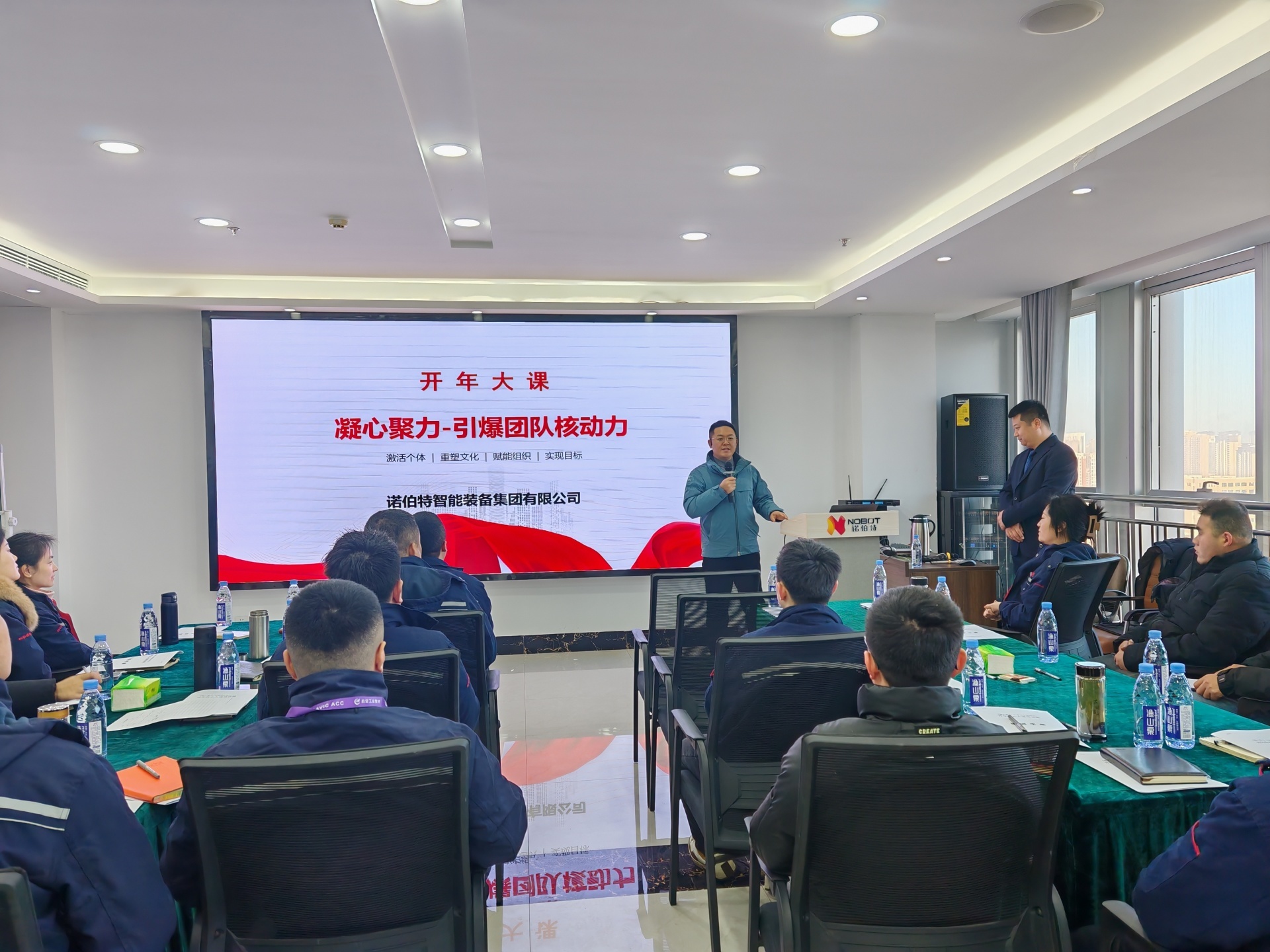
Nobot Group's 2025 Kick-off Event: A Team Building Activity Focused on Unity and Power
This opening ceremony was both a knowledge-boosting session, allowing employees to continuously grow through learning, and a team-building event, bringing everyone closer together. It impressed upon each employee that in today's increasingly competitive market, only by continuously learning new knowledge, daring to innovate, and maintaining teamwork can we remain undefeated. With the collective efforts of all employees, Nobot will surely ride the waves and achieve even greater success on this new journey, steadily advancing towards higher goals!
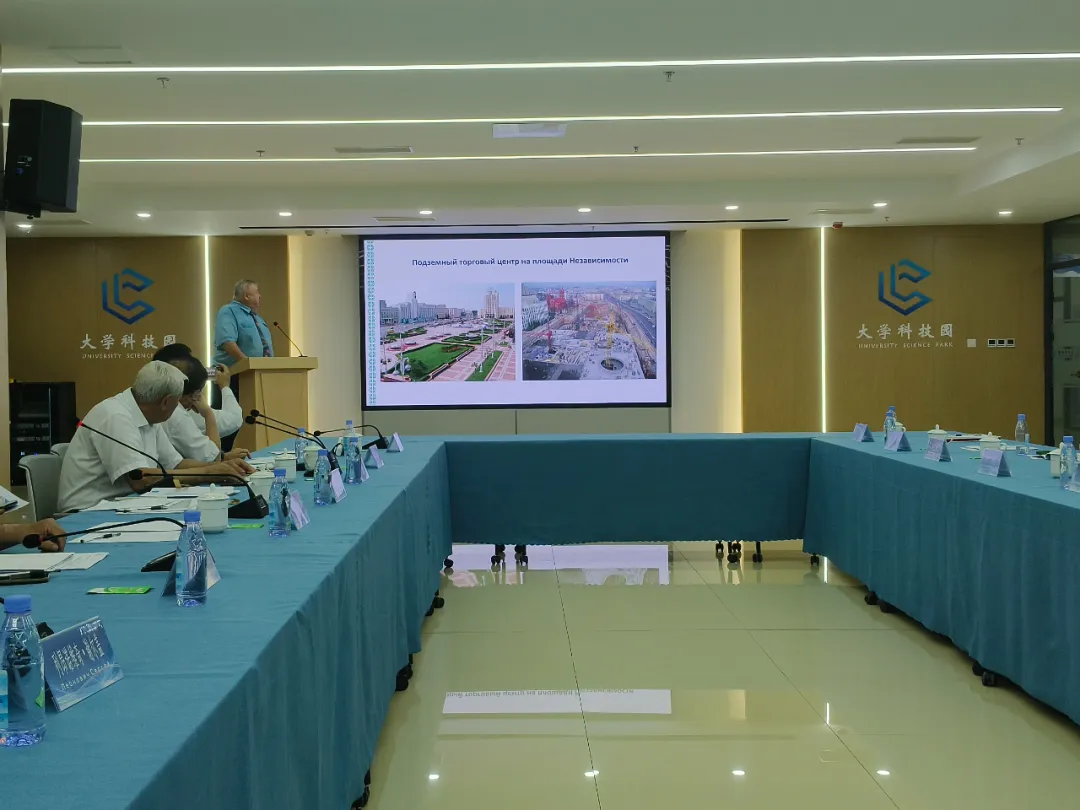
Nobot was invited to attend the Belt and Road International Exchange Conference
On July 28, 2024, the 2024 Liaocheng "Belt and Road" International Exchange Conference and the Unveiling Ceremony of the Central Asia International High-end Talent Joint Training Base were held in the Liaocheng High-tech Zone University Science and Technology Park. Professor Tursunbayev Zaporotot, President of Osh Technological University of the Kyrgyz Republic and corresponding academician of the Kyrgyz Academy of Engineering, and Academician Smaylor Erta of the Kyrgyz Academy of Engineering and the Russian Academy of Natural Sciences, among other experts and scholars from "Belt and Road" countries, participated in the event. Liaocheng Deputy Mayor Wang Gang and Zhang Ya, Party Secretary and Director of the Management Committee of the High-tech Zone, attended the event and delivered speeches.
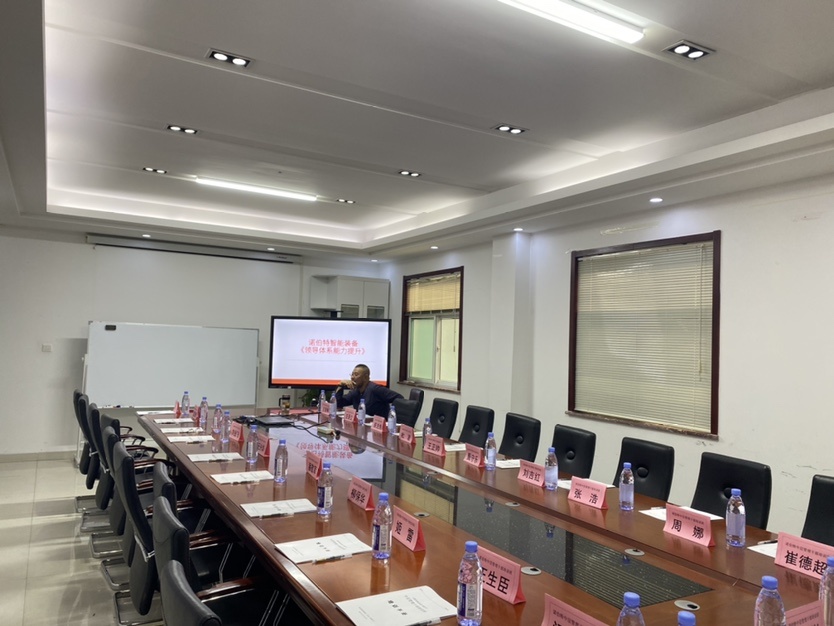
This training event not only provided a valuable learning opportunity for company managers and key personnel, but also built a platform for communication and sharing. During the training, everyone actively interacted and discussed enthusiastically, exploring effective ways to improve management capabilities together. Through this training, everyone has gained rich knowledge and skills, but more importantly, it has inspired confidence and motivation for the future.
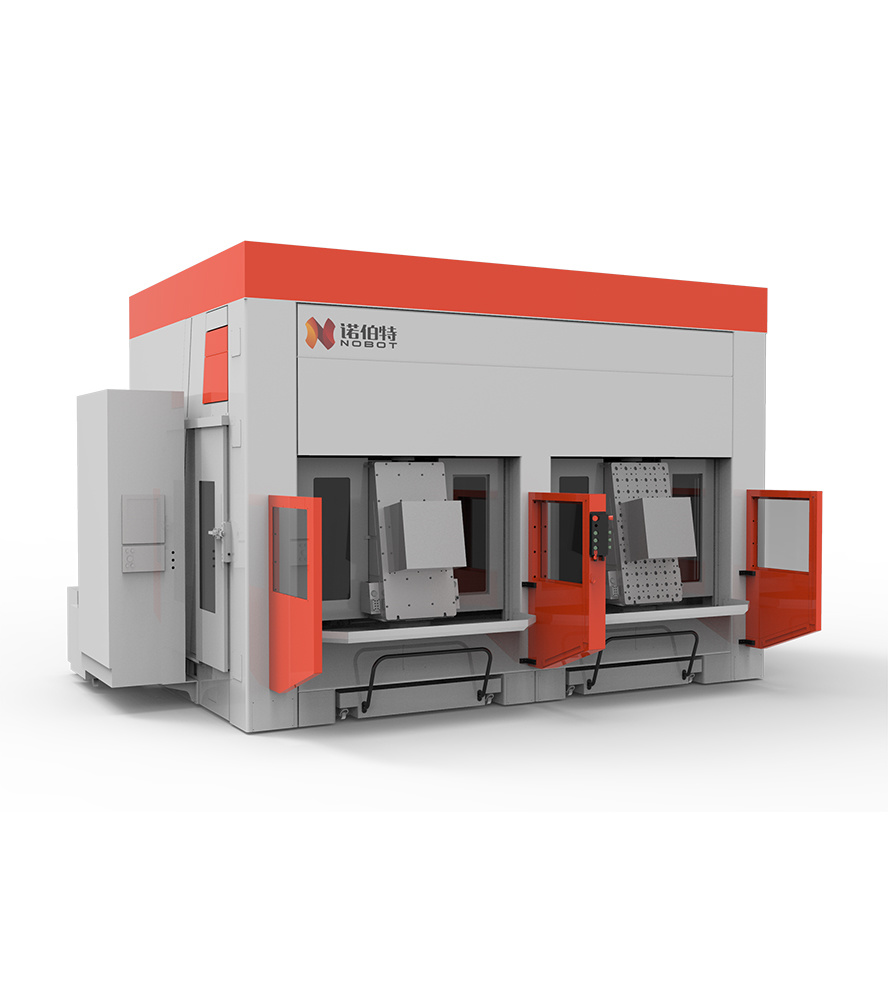
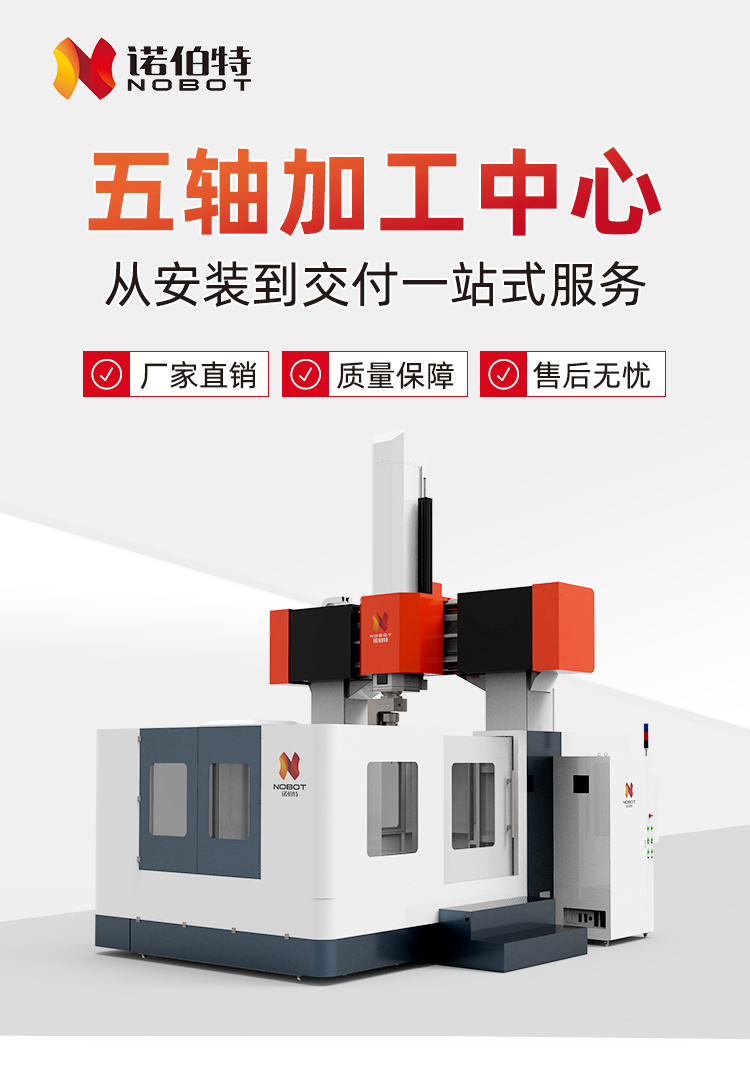
How to use a five-axis machining center efficiently? Today, let's learn a few practical steps!
When using a five-axis machining center, the equipment must first be adjusted to ensure that the workpiece and fixture dimensions precisely match, and that the zero points of each axis are accurately adjusted.
Why do composite materials require 5-axis CNC machining?
Composite materials are widely used in various fields such as aerospace, automotive, construction, energy, energy storage, infrastructure, marine, pipelines and tanks, sports and entertainment, and transportation due to their light weight, high fatigue resistance, and strong fracture resistance. Among them, aerospace and automotive industries are the largest application markets for composite materials. Five-axis CNC plays an important role in the processing of composite materials. Why do composite materials need to be processed using five-axis CNC?
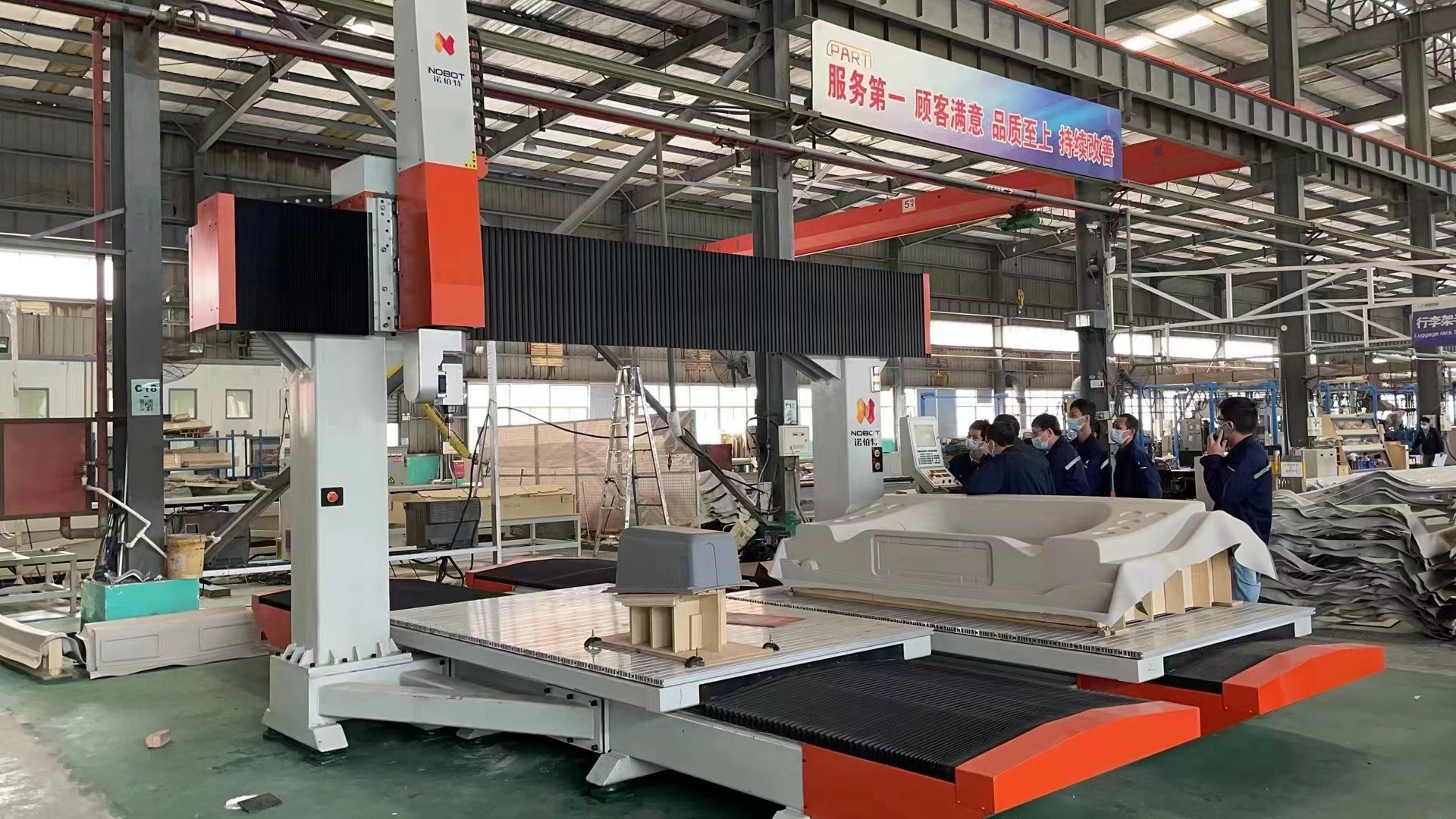
Dual-station five-axis machines offer several significant advantages. First, while one station is being machined, the other can be used for material loading and unloading, ensuring continuous, non-stop machining and significantly improving production efficiency. Second, the dual-station design makes operation more convenient and reduces waiting time. However, dual-station five-axis machines typically cost more than single-station machines and may require more operating and maintenance space.
Nobot Intelligent Equipment Group Co., Ltd.
Pre-sales consultation:86-635-2932233
Fax:86-635-2945333
After-sales consultation:86-635-5086881 / 86-635-2936881
National unified service hotline:86-400-823-3356
Email:nuobote@nobot.cc
Address: No. 1 Plant, No. 88 Huanghe Road, Gaoxin District, Liaocheng City, Shandong Province

copyright © 2025 Nobot Intelligent Equipment Group Co., Ltd.