

-
-
-
Application

-
-
-
-
Service
When "Made in Germany 4.0" meets "Made in China 2025"
Published Time:
Apr 25,2018
Professor Wolfgang Wahlster, the science advisor to the German Chancellor, visited Beijing Yizhuang! On March 29th, this news spread rapidly, quickly dominating the social media feeds of intelligent manufacturing companies in the Beijing Economic and Technological Development Area. Professor Wahlster is known as the "father of Industry 4.0" and a pioneer in artificial intelligence technology. He is a member of the three German Academies of Science and Engineering and a member of the Nobel Prize Committee.

Professor Wolfgang Wahlster, the German Chancellor's science advisor, visited Beijing Yizhuang!
Wahlster is known as “ the 4.0 Father of Industry , among other titles, and is a member of the German National Academy of Sciences and Engineering, the German Academy of Sciences Leopoldina, and the Berlin-Brandenburg Academy of Sciences and Humanities, as well as a member of the Nobel Prize Committee. At the 2018 Sino-German Symposium on Artificial Intelligence and Intelligent Manufacturing, he was officially appointed as the development zone's first strategic scientist. So, what kind of chemical reaction will occur when "German Industry 4.0" meets "Made in China"? Made in China 2025 ?
The development of "Industry 4.0" requires China
In recent years, during her visits to China, German Chancellor Angela Merkel has stated that Germany is willing to align "Industry 4.0" with "Made in China 2025." Wahlster, the current CEO and Scientific Director of the German Research Center for Artificial Intelligence (DFKI), stated that the development of "Industry 4.0" cannot succeed with Germany alone and requires partners, with China being extremely important. Meanwhile, Siemens, Bosch Rexroth, KUKA Robotics and other German companies promoting "Industry 4.0" are also actively developing the Chinese market, promoting intelligent production technologies, products, and solutions tailored to the needs of local customers.
At the end of 2017, Beijing issued the "Guiding Opinions on Accelerating Technological Innovation and Developing Ten High-end and Cutting-edge Industries, including New Generation Information Technology," with artificial intelligence being one of the key industries to be developed. The development zone established an Artificial Intelligence Technology Innovation Center, making it one of the 20 key technology innovation centers to be developed.
Regarding the arrival of AI expert Wahlster, a person in charge of the development zone stated, "This will mean a deep integration between German and Chinese governments and enterprises in various sub-fields and industries of artificial intelligence."
Artificial intelligence is the driving force of "Industry 4.0"
"Our philosophy is to place artificial intelligence and big data at the core of intelligent manufacturing. Because artificial intelligence is the driving force behind 'Industry 4.0'," Wahlster pointed out.
He stated that Germany is in the midst of a second wave of digitalization, and artificial intelligence technology is crucial for improving production. In Industry 3.0, there was no interaction between robots and humans, and the execution system lacked flexibility, often only capable of producing one type of product. In the future, we will focus on the production of new high-end automobiles, autonomous vehicles, and personalized production, all of which require artificial intelligence to flourish.
Currently, the German Research Center for Artificial Intelligence has over 900 researchers and more than 80 closely cooperating companies. The research center focuses on the entire innovation cycle and collaborates with government clients and market demanders to transfer application-based research solutions to factories for implementation.
Jointly promoting the landing and transformation of scientific and technological achievements
"We focus on the transformation from scientific research to application practice, fully integrating technology and industrial resources to help enterprises achieve digital transformation," Wahlster said.
In fact, the development zone values the landing and transformation of scientific and technological achievements. The relevant person in charge of the development zone stated that hiring Wahlster actually brought in the German Research Center for Artificial Intelligence, a think tank, hoping to solve or improve mobile robot systems for complex land, underwater, air, or space missions, augmented reality 3D scene reconstruction systems, and factories with application products covering the entire AI industry chain.
Wahlster stated that in the future, he will leverage the advantages of China's vast market, through the DFKI China office and Infinite AI Research Institute to empower leading enterprises in various fields, relying on artificial intelligence technology and top talent to drive the rapid leap of the manufacturing industry.
At the symposium, Wahlster had an interesting discussion with intelligent manufacturing enterprises from the development zone, including BOE, SMIC, Harbin Institute of Technology Robotics, Goldwind Technology, and HollySys Automation Technologies, and expressed his willingness to cooperate.

BLOGS
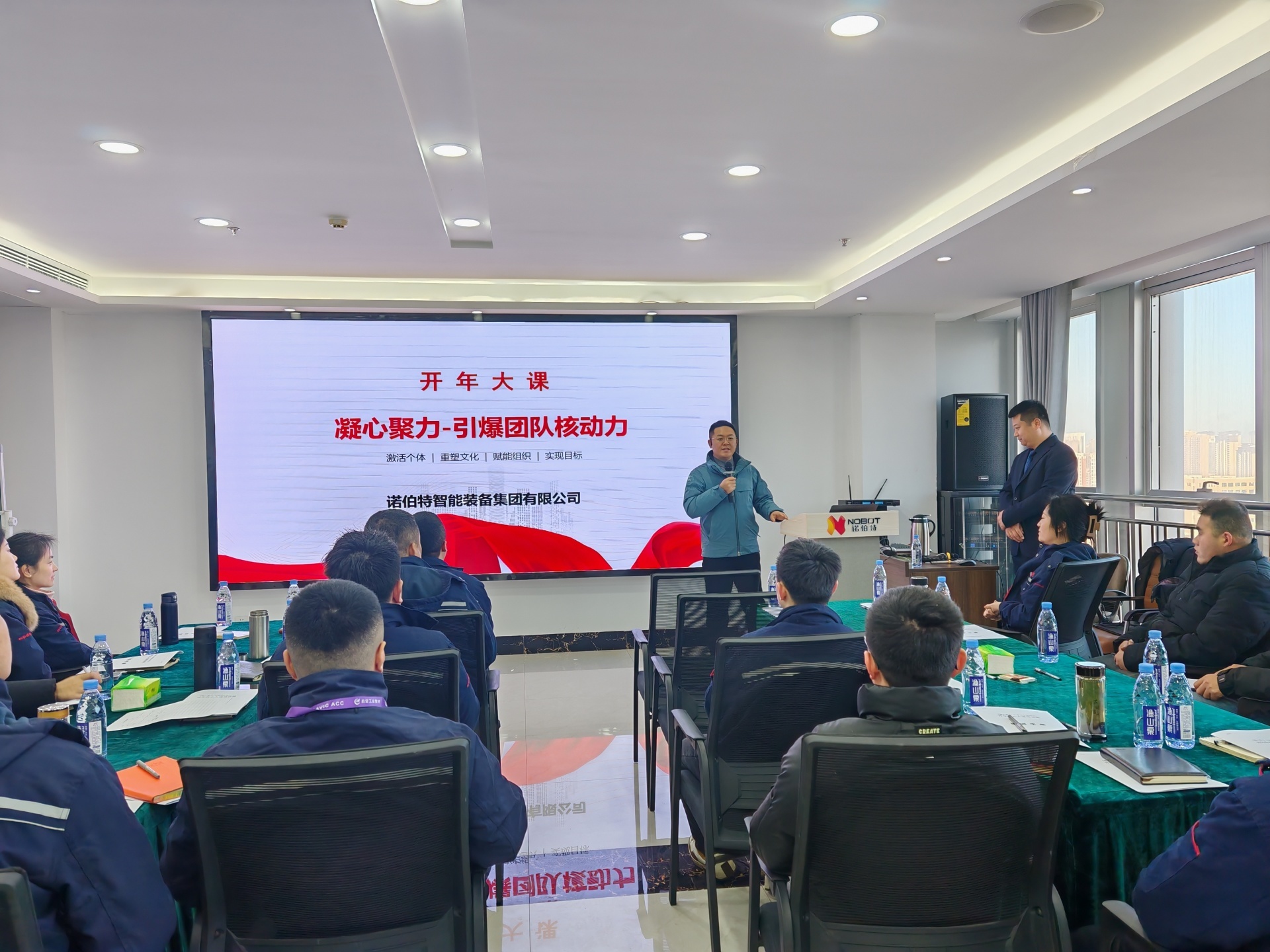
Nobot Group's 2025 Kick-off Event: A Team Building Activity Focused on Unity and Power
This opening ceremony was both a knowledge-boosting session, allowing employees to continuously grow through learning, and a team-building event, bringing everyone closer together. It impressed upon each employee that in today's increasingly competitive market, only by continuously learning new knowledge, daring to innovate, and maintaining teamwork can we remain undefeated. With the collective efforts of all employees, Nobot will surely ride the waves and achieve even greater success on this new journey, steadily advancing towards higher goals!
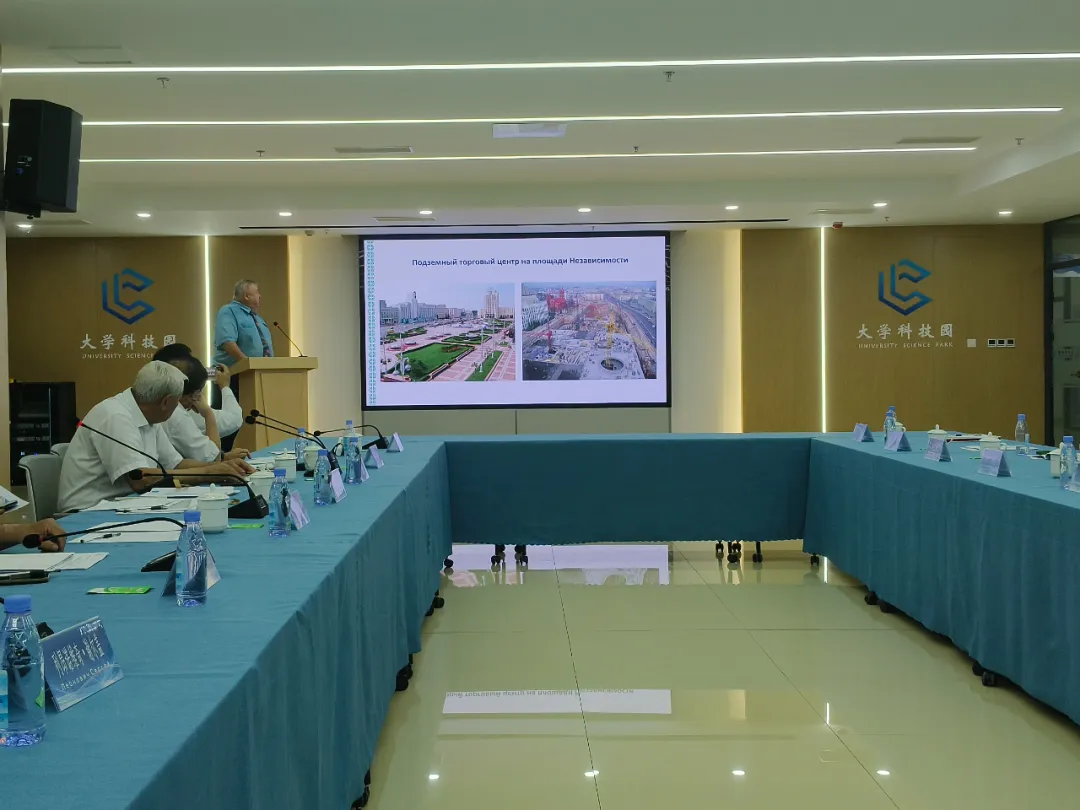
Nobot was invited to attend the Belt and Road International Exchange Conference
On July 28, 2024, the 2024 Liaocheng "Belt and Road" International Exchange Conference and the Unveiling Ceremony of the Central Asia International High-end Talent Joint Training Base were held in the Liaocheng High-tech Zone University Science and Technology Park. Professor Tursunbayev Zaporotot, President of Osh Technological University of the Kyrgyz Republic and corresponding academician of the Kyrgyz Academy of Engineering, and Academician Smaylor Erta of the Kyrgyz Academy of Engineering and the Russian Academy of Natural Sciences, among other experts and scholars from "Belt and Road" countries, participated in the event. Liaocheng Deputy Mayor Wang Gang and Zhang Ya, Party Secretary and Director of the Management Committee of the High-tech Zone, attended the event and delivered speeches.
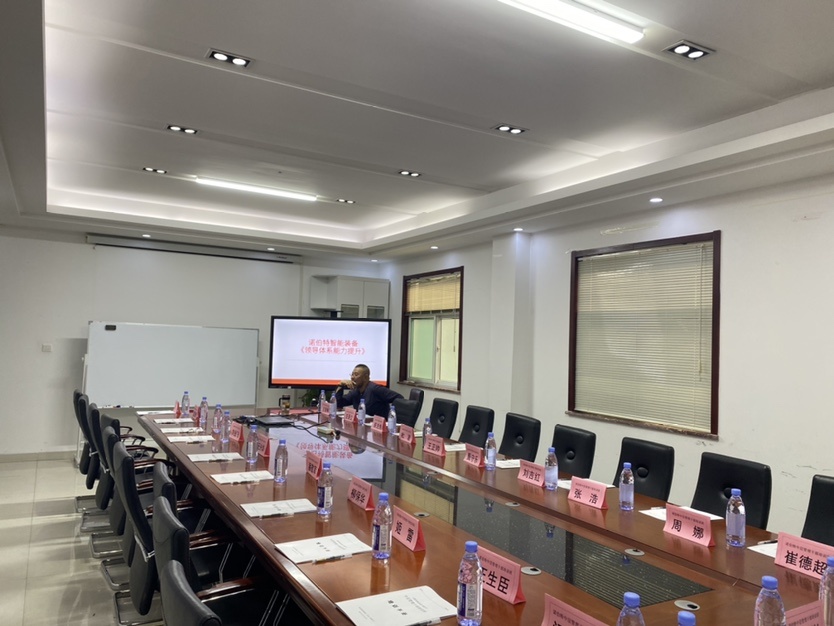
This training event not only provided a valuable learning opportunity for company managers and key personnel, but also built a platform for communication and sharing. During the training, everyone actively interacted and discussed enthusiastically, exploring effective ways to improve management capabilities together. Through this training, everyone has gained rich knowledge and skills, but more importantly, it has inspired confidence and motivation for the future.
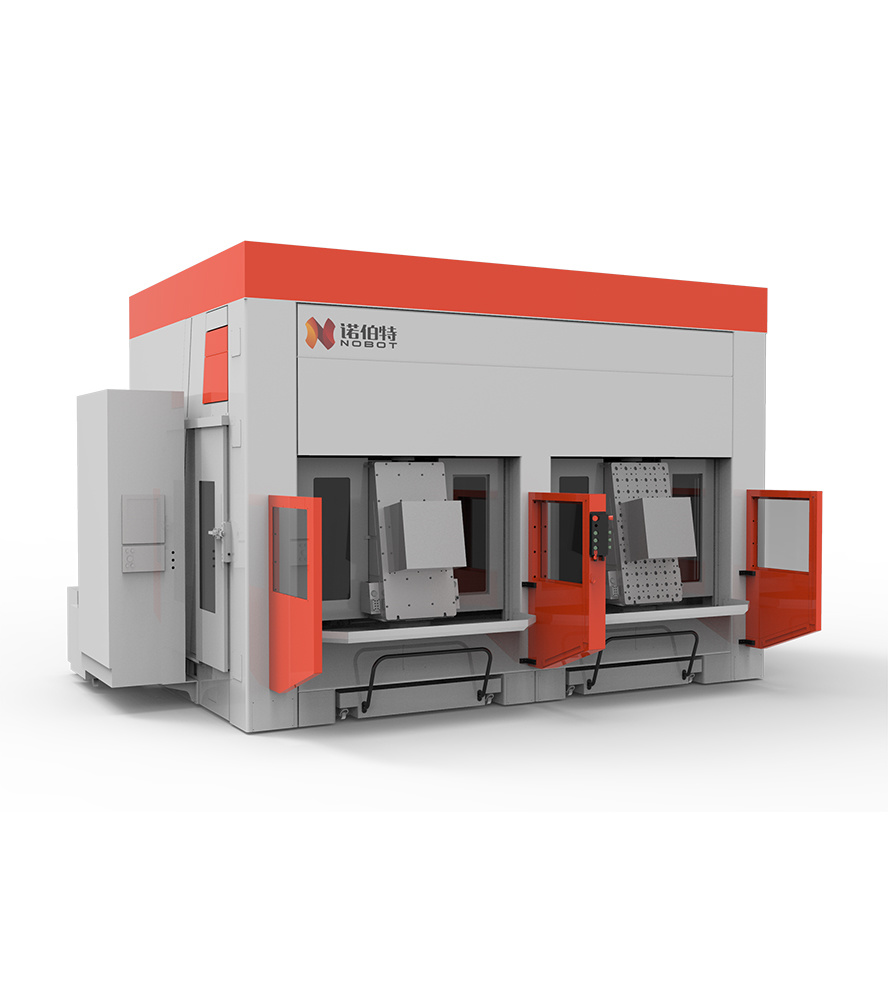
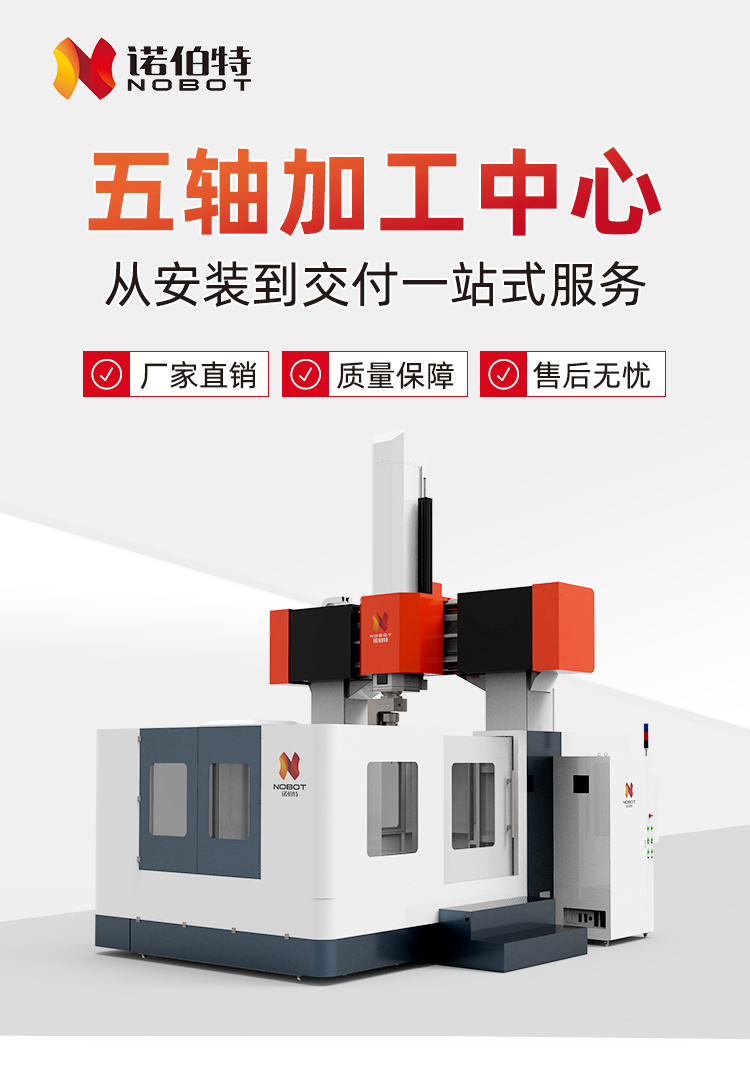
How to use a five-axis machining center efficiently? Today, let's learn a few practical steps!
When using a five-axis machining center, the equipment must first be adjusted to ensure that the workpiece and fixture dimensions precisely match, and that the zero points of each axis are accurately adjusted.
Why do composite materials require 5-axis CNC machining?
Composite materials are widely used in various fields such as aerospace, automotive, construction, energy, energy storage, infrastructure, marine, pipelines and tanks, sports and entertainment, and transportation due to their light weight, high fatigue resistance, and strong fracture resistance. Among them, aerospace and automotive industries are the largest application markets for composite materials. Five-axis CNC plays an important role in the processing of composite materials. Why do composite materials need to be processed using five-axis CNC?
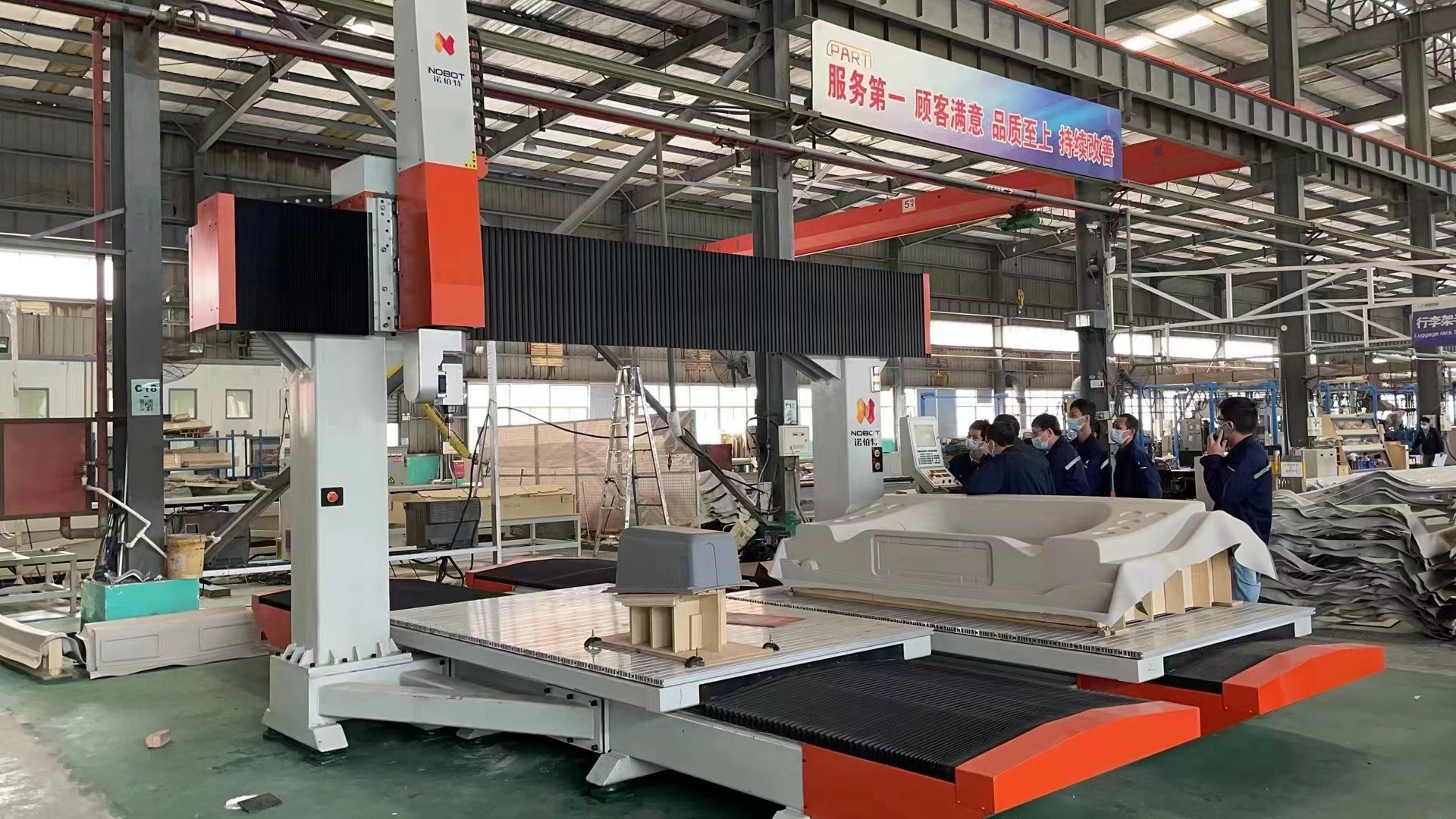
Dual-station five-axis machines offer several significant advantages. First, while one station is being machined, the other can be used for material loading and unloading, ensuring continuous, non-stop machining and significantly improving production efficiency. Second, the dual-station design makes operation more convenient and reduces waiting time. However, dual-station five-axis machines typically cost more than single-station machines and may require more operating and maintenance space.
Nobot Intelligent Equipment Group Co., Ltd.
Pre-sales consultation:86-635-2932233
Fax:86-635-2945333
After-sales consultation:86-635-5086881 / 86-635-2936881
National unified service hotline:86-400-823-3356
Email:nuobote@nobot.cc
Address: No. 1 Plant, No. 88 Huanghe Road, Gaoxin District, Liaocheng City, Shandong Province

copyright © 2025 Nobot Intelligent Equipment Group Co., Ltd.