

-
-
-
Application

-
-
-
-
Service
How to improve grinding efficiency by 6 times, and prevent grinding and cleaning work from affecting delivery time!
Published Time:
May 06,2023
Statistics show that there are approximately 50,000 foundries in China, including nearly 10,000 precision foundries, employing over 2 million people. The number of foundries in China exceeds the total number of foundries in the rest of the world.
Foundry is the mother of manufacturing and a foundational industry. Statistics show that China has approximately 50,000 foundries, including nearly 10,000 precision foundries, employing over 2 million people. The number of foundries in China exceeds the total number of foundries in the rest of the world. In recent years, many specialized foundries have emerged in China, some of which have been recognized as "specialized, refined, and new" enterprises. They produce various castings for wind power, automotive parts, engines, machine tools, mining machinery, etc., with excellent quality and a significant presence in the international market.

While we are pleased to see the rapid development of China's foundry industry, a new trend has emerged in customer procurement: significantly shorter lead times for castings. Therefore, foundries need to improve production efficiency to retain customers.

One step in casting production is cleaning burrs and risers from the surface of the castings. Currently, most foundries still use traditional manual polishing, with workers using electric grinders on the castings. This method is labor-intensive, time-consuming, and results in inconsistent product quality, significantly impacting delivery times. Fundamentally, the polishing process is to clean up defects such as flash, iron wraps, burrs, and sand adhesion caused by poor quality in previous processes. In this sense, eliminating these quality defects in previous processes would eliminate the polishing process, shortening the casting production flow and significantly reducing production costs. However, completely eliminating these defects is impossible. Therefore, to improve production efficiency, enterprises must improve polishing technology. So how can polishing technology be improved?

Regarding polishing technology, we can learn from developed countries. In Western countries such as Europe and the United States, foundries have largely achieved automation and intelligence in casting polishing. This is achieved through the design of flexible tooling fixtures, appropriate vision systems and deviation compensation, and matching of power heads and polishing tools. Here, we must mention the culmination of polishing technology: the "automatic polishing robot." Automatic polishing robots combine flexibility and rigidity, allowing them to flexibly polish castings of various complex shapes. The enclosed robot workstation reduces environmental pollution, and operators do not directly contact the processing equipment, making it safer; the robot ensures precision and quality while reducing the defect rate. Users can shorten product cycles and equipment investment costs through secondary programming. Many large foundries in China have already started using automatic polishing robots in assembly lines, such as Shandong Meide Group, which uses the NOBOT dual-station polishing robot. The robot effectively integrates with the casting process and tooling fixtures to implement differentiated "machine replacement" for different product categories and process characteristics, achieving good results.
BLOGS
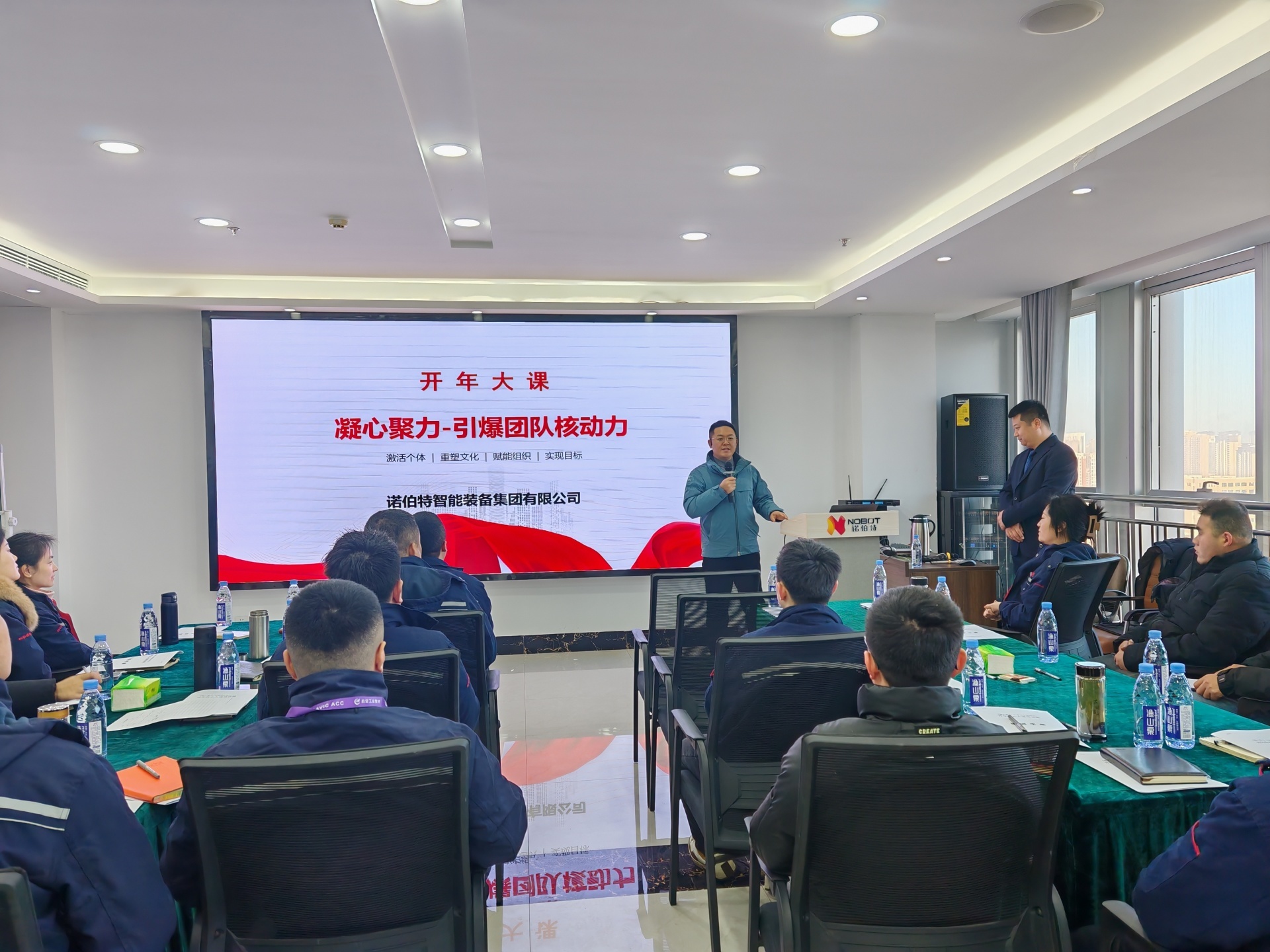
Nobot Group's 2025 Kick-off Event: A Team Building Activity Focused on Unity and Power
This opening ceremony was both a knowledge-boosting session, allowing employees to continuously grow through learning, and a team-building event, bringing everyone closer together. It impressed upon each employee that in today's increasingly competitive market, only by continuously learning new knowledge, daring to innovate, and maintaining teamwork can we remain undefeated. With the collective efforts of all employees, Nobot will surely ride the waves and achieve even greater success on this new journey, steadily advancing towards higher goals!
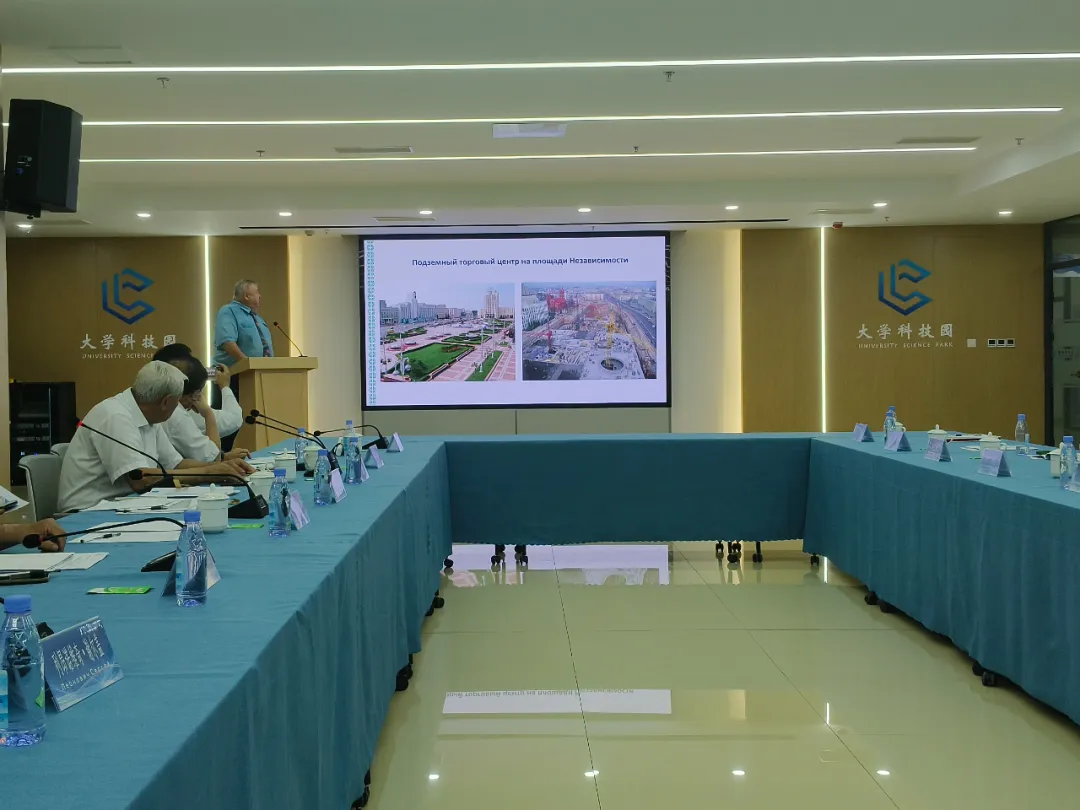
Nobot was invited to attend the Belt and Road International Exchange Conference
On July 28, 2024, the 2024 Liaocheng "Belt and Road" International Exchange Conference and the Unveiling Ceremony of the Central Asia International High-end Talent Joint Training Base were held in the Liaocheng High-tech Zone University Science and Technology Park. Professor Tursunbayev Zaporotot, President of Osh Technological University of the Kyrgyz Republic and corresponding academician of the Kyrgyz Academy of Engineering, and Academician Smaylor Erta of the Kyrgyz Academy of Engineering and the Russian Academy of Natural Sciences, among other experts and scholars from "Belt and Road" countries, participated in the event. Liaocheng Deputy Mayor Wang Gang and Zhang Ya, Party Secretary and Director of the Management Committee of the High-tech Zone, attended the event and delivered speeches.
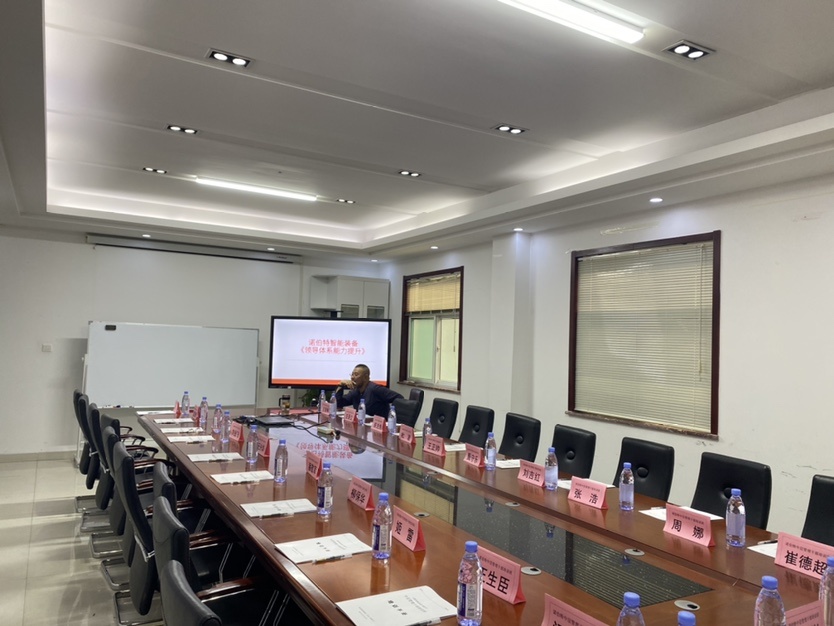
This training event not only provided a valuable learning opportunity for company managers and key personnel, but also built a platform for communication and sharing. During the training, everyone actively interacted and discussed enthusiastically, exploring effective ways to improve management capabilities together. Through this training, everyone has gained rich knowledge and skills, but more importantly, it has inspired confidence and motivation for the future.
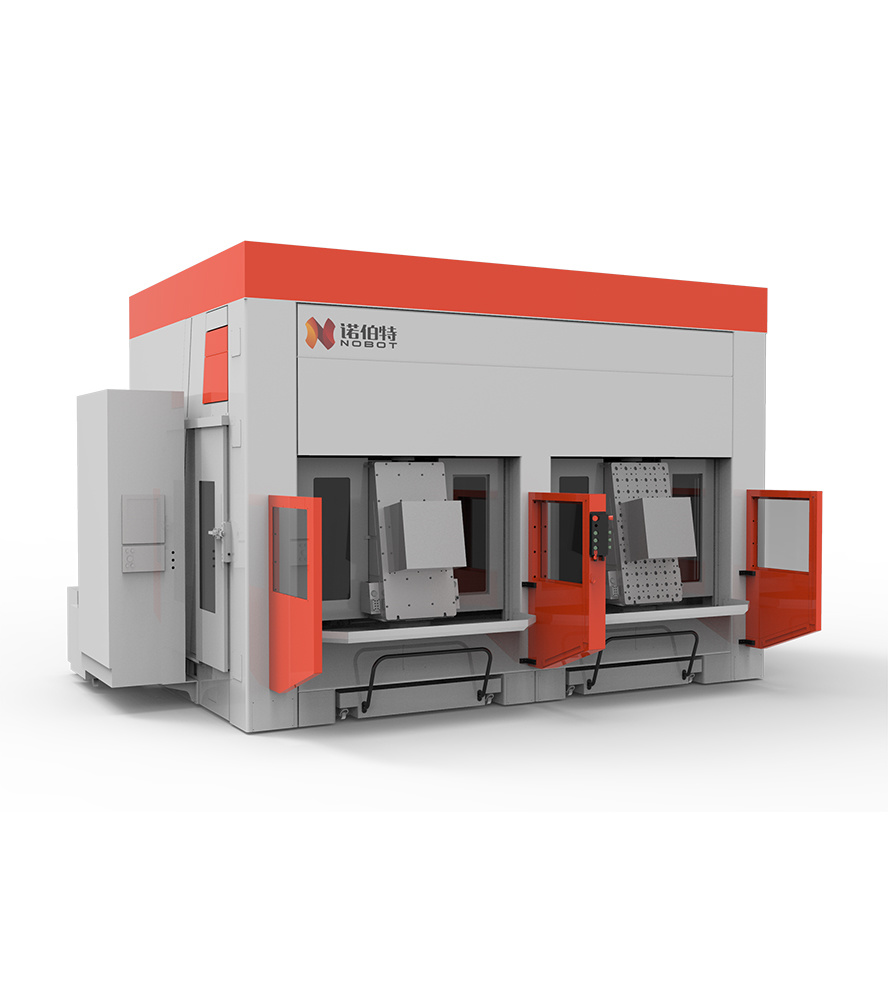
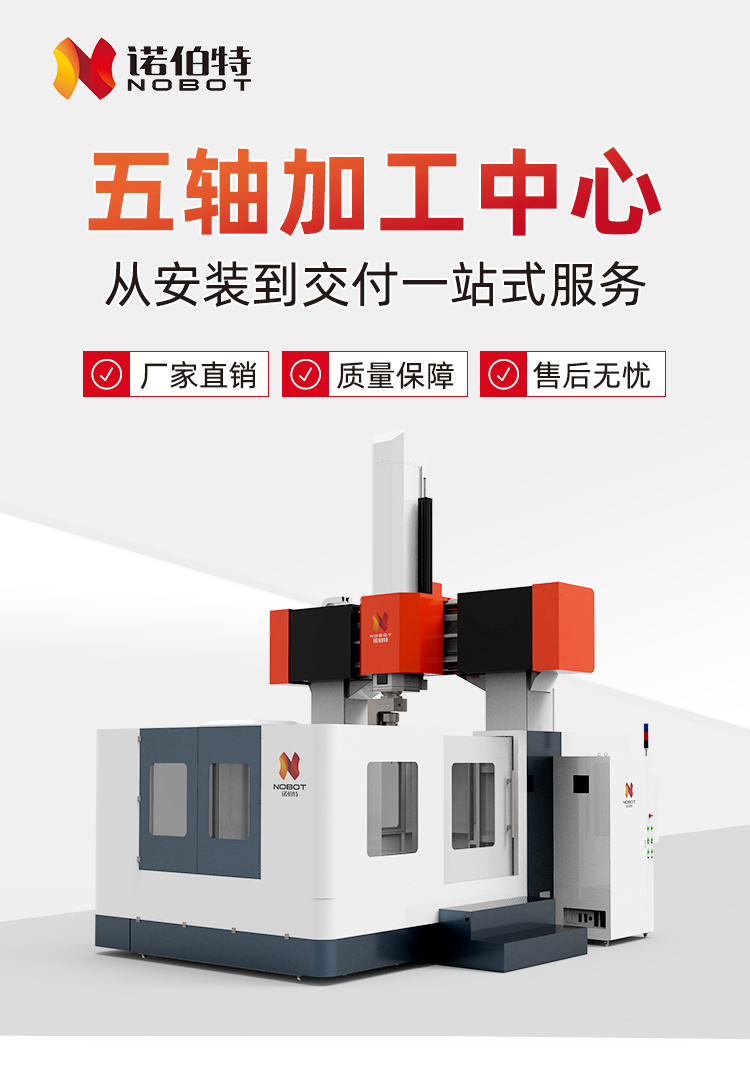
How to use a five-axis machining center efficiently? Today, let's learn a few practical steps!
When using a five-axis machining center, the equipment must first be adjusted to ensure that the workpiece and fixture dimensions precisely match, and that the zero points of each axis are accurately adjusted.
Why do composite materials require 5-axis CNC machining?
Composite materials are widely used in various fields such as aerospace, automotive, construction, energy, energy storage, infrastructure, marine, pipelines and tanks, sports and entertainment, and transportation due to their light weight, high fatigue resistance, and strong fracture resistance. Among them, aerospace and automotive industries are the largest application markets for composite materials. Five-axis CNC plays an important role in the processing of composite materials. Why do composite materials need to be processed using five-axis CNC?
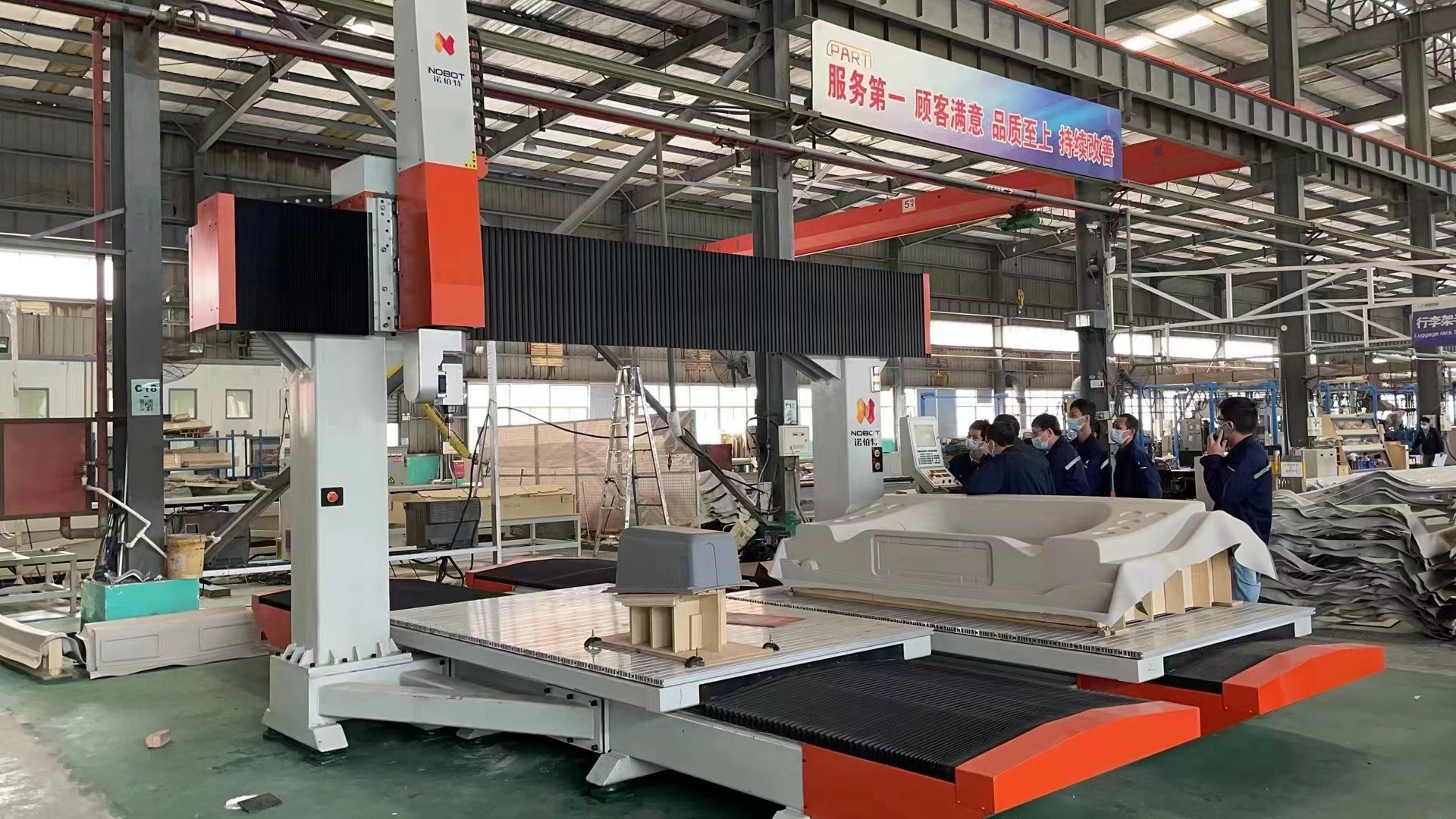
Dual-station five-axis machines offer several significant advantages. First, while one station is being machined, the other can be used for material loading and unloading, ensuring continuous, non-stop machining and significantly improving production efficiency. Second, the dual-station design makes operation more convenient and reduces waiting time. However, dual-station five-axis machines typically cost more than single-station machines and may require more operating and maintenance space.
Nobot Intelligent Equipment Group Co., Ltd.
Pre-sales consultation:86-635-2932233
Fax:86-635-2945333
After-sales consultation:86-635-5086881 / 86-635-2936881
National unified service hotline:86-400-823-3356
Email:nuobote@nobot.cc
Address: No. 1 Plant, No. 88 Huanghe Road, Gaoxin District, Liaocheng City, Shandong Province

copyright © 2025 Nobot Intelligent Equipment Group Co., Ltd.