

-
-
-
Application

-
-
-
-
Service
How to maintain the components of a five-axis engraving machine during use?
Published Time:
Dec 24,2021
We all know that a five-axis machining center is composed of ordinary control electrics, CNC numerical control system, servo control system, alloy castings, hydraulic system, and five-axis transmission system, etc. Its automated processing level and complex processing system are the characteristics of the five-axis machining center as processing equipment. To ensure normal operation without interruption and extend its service life, regular maintenance is necessary. So how should we maintain the commonly used parts of a five-axis machining center?

Five-axis machining centers are currently very effective equipment for manufacturing and processing irregular bodies, boxes, complex cavities, molds, etc. They play a pivotal role in the aerospace, rail transit, automotive interiors, special vehicles, and mold manufacturing industries.
We all know that five-axis machining centers are composed of ordinary control electrical systems, CNC numerical control systems, servo control systems, alloy castings, hydraulic systems, and five-axis drive systems. Their automated processing level and complex processing system are the characteristics of five-axis machining centers as processing equipment. For normal operation without interruption and to extend their service life, regular maintenance is necessary. So how do we usually maintain the commonly used parts of a five-axis machining center?
Today, the editor specifically consulted Nobot's technical personnel and summarized the following points for your reference:
1. Five-axis machining center servo motors and spindle motor components
Servo motors and control systems are the source of energy and the key to precision control for machine tools. Focus on checking sound and temperature rise. If the sound or temperature rise is excessive, it should be determined whether it is a mechanical problem such as bearings or a parameter setting problem with the matching reducer, and the appropriate method should be used to address it. If there is an unusual sound when the servo shaft is stationary, it may be a mechanical sound caused by the ball screw, coupling, or misalignment with the servo motor. The five-axis machining center motor and coupling can be disconnected and the motor run independently. If the motor still makes noise, adjust the speed loop gain and position loop gain appropriately to silence the motor. If there is no sound, it can be determined that there is a concentricity problem with the five-axis machining center ball screw and coupling. Recheck the concentricity and reconnect it to the motor; the problem can usually be eliminated.
2. Five-axis machining center measurement feedback components
Measurement feedback components include encoders and linear scales. Regularly check whether the connections of each component are loose and whether they are contaminated by oil or dust. Dust and fine iron filings can damage these components.
3. Five-axis machining center electrical control components
Regularly check whether the external three-phase power supply voltage connected to the machine tool is normal; check whether the electrical component connections are good; use the CRT display diagnostic screen to check whether various switches are effective; check whether various relays and contactors are working normally and whether the contacts are good; check whether protective components such as thermal relays and arc suppressors are effective; check whether the external components in the five-axis machining center electrical cabinet are overheating. For poor contact of the contactor contacts, the contactor can be disassembled, the low-temperature oxide on the surface of the contacts can be removed with a small file, and then the debris can be wiped off with degreasing cotton and alcohol. Reassemble and use a multimeter to conduct a continuity test on the contacts.
4. Five-axis machining center numerical control system control components
The control system includes the numerical control unit, power module, interface, servo reducer, spindle reducer, operation panel, display, etc. Maintenance mainly involves checking whether the relevant voltage values are within the specified range; whether there is any looseness in the electrical component connections; whether the fans of each functional module are running normally; and cleaning dust from the fans and dust filters, etc.
Nobot non-metallic five-axis machining centers, whose main products include JF series five-axis machining centers, DF series five-axis machining centers, BF series five-axis machining centers, QF series five-axis machining centers, and BFG series five-axis machining centers, are used for processing advanced materials in aerospace, rail transit, automotive interiors, special vehicles, and new energy vehicles. With the joint efforts of the Nobot five-axis engraving machine team, whether it is non-standard customization or standardized equipment, we have advantages in quality, after-sales service, and cost-effectiveness. We have been rated as a well-known brand in Shandong Province and a high-quality brand in Shandong Province, and are deeply trusted by users. Users cover most parts of China and are also exported overseas, receiving deep recognition from a wide range of users.
BLOGS
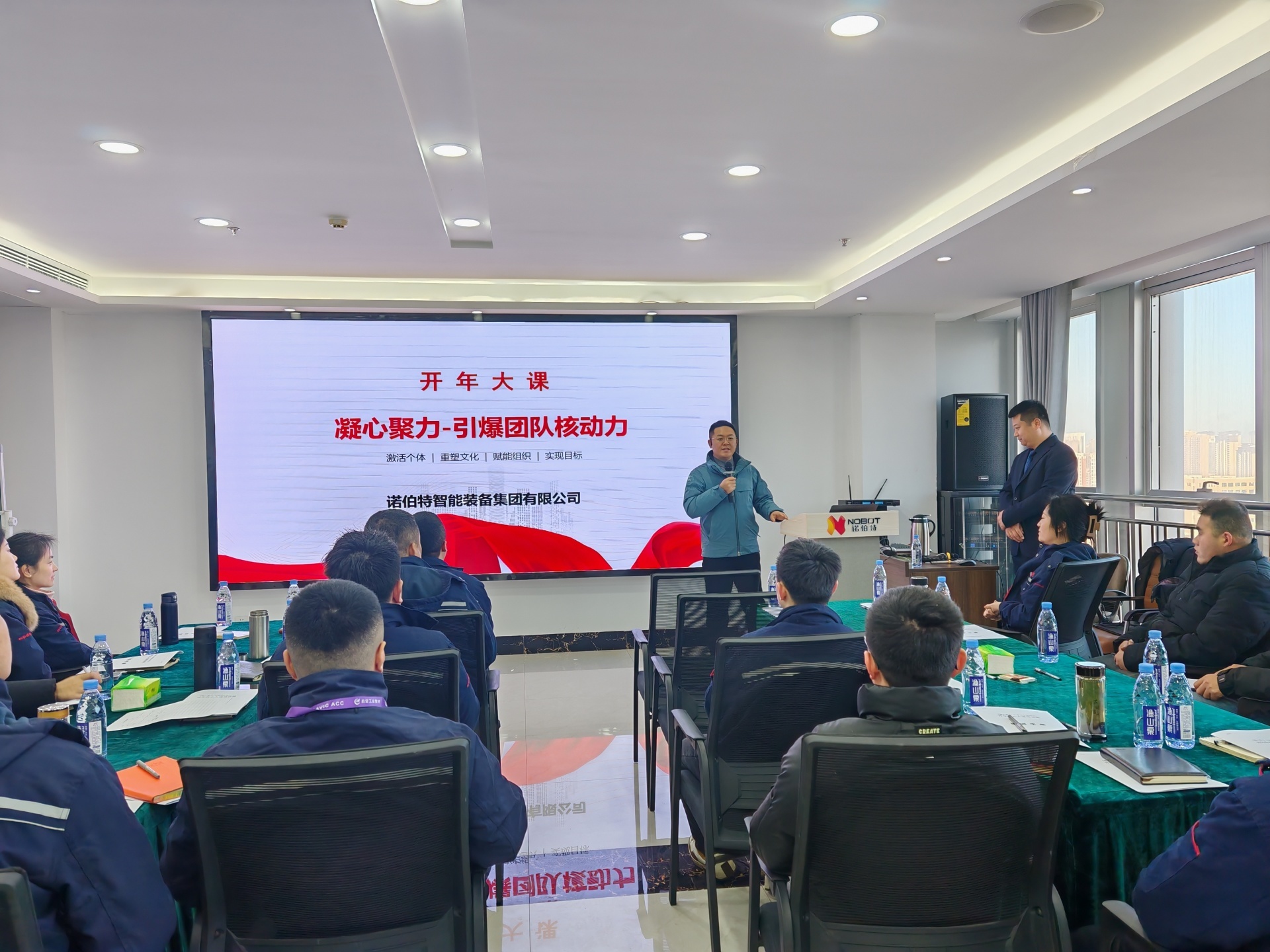
Nobot Group's 2025 Kick-off Event: A Team Building Activity Focused on Unity and Power
This opening ceremony was both a knowledge-boosting session, allowing employees to continuously grow through learning, and a team-building event, bringing everyone closer together. It impressed upon each employee that in today's increasingly competitive market, only by continuously learning new knowledge, daring to innovate, and maintaining teamwork can we remain undefeated. With the collective efforts of all employees, Nobot will surely ride the waves and achieve even greater success on this new journey, steadily advancing towards higher goals!
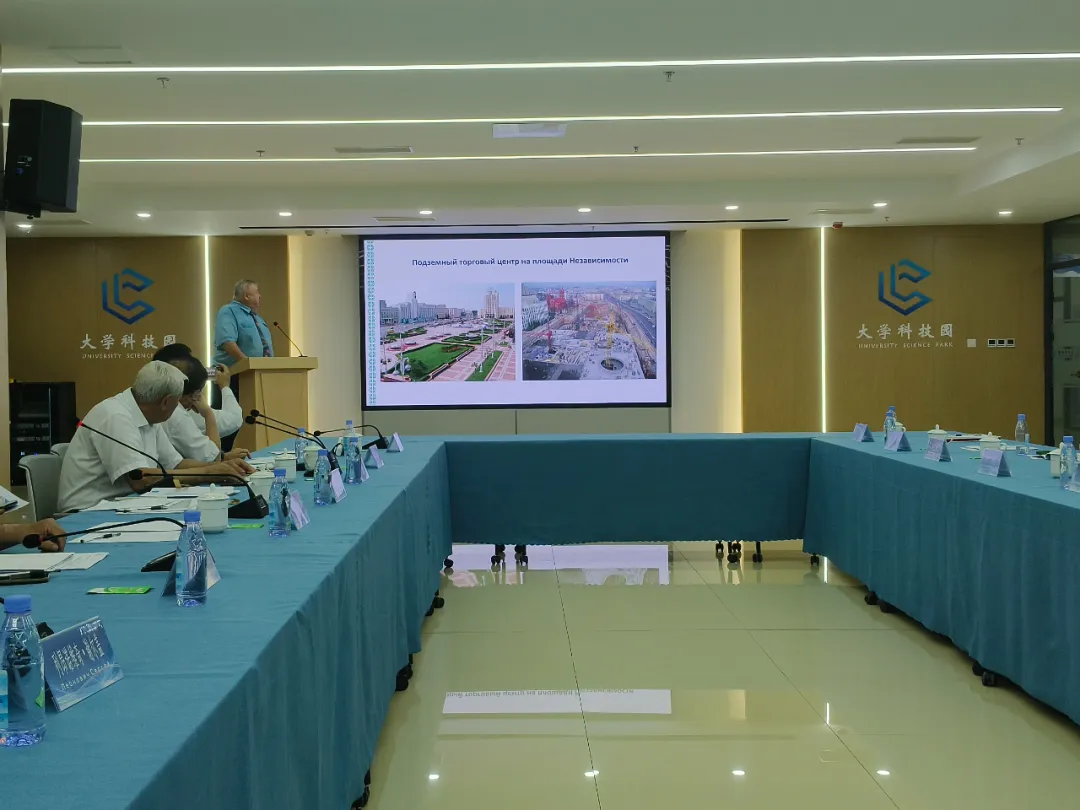
Nobot was invited to attend the Belt and Road International Exchange Conference
On July 28, 2024, the 2024 Liaocheng "Belt and Road" International Exchange Conference and the Unveiling Ceremony of the Central Asia International High-end Talent Joint Training Base were held in the Liaocheng High-tech Zone University Science and Technology Park. Professor Tursunbayev Zaporotot, President of Osh Technological University of the Kyrgyz Republic and corresponding academician of the Kyrgyz Academy of Engineering, and Academician Smaylor Erta of the Kyrgyz Academy of Engineering and the Russian Academy of Natural Sciences, among other experts and scholars from "Belt and Road" countries, participated in the event. Liaocheng Deputy Mayor Wang Gang and Zhang Ya, Party Secretary and Director of the Management Committee of the High-tech Zone, attended the event and delivered speeches.
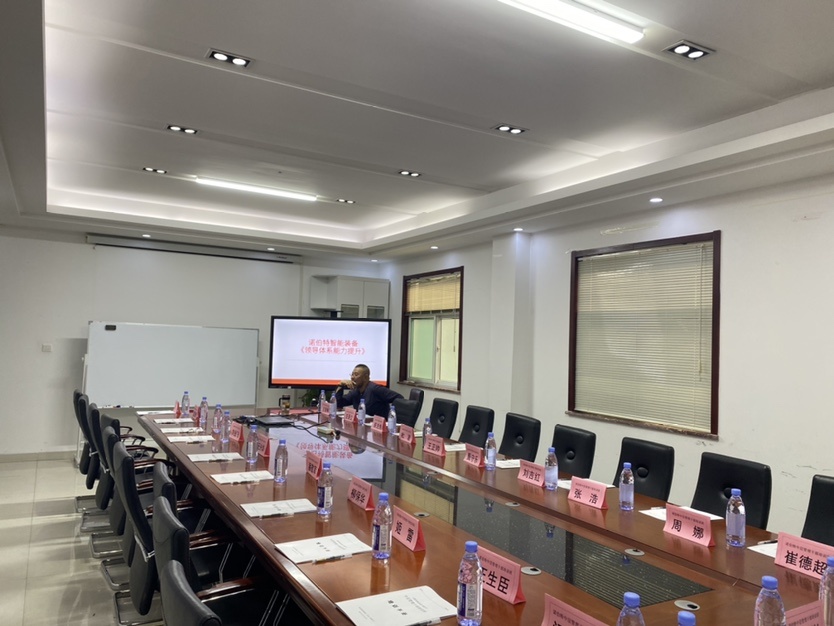
This training event not only provided a valuable learning opportunity for company managers and key personnel, but also built a platform for communication and sharing. During the training, everyone actively interacted and discussed enthusiastically, exploring effective ways to improve management capabilities together. Through this training, everyone has gained rich knowledge and skills, but more importantly, it has inspired confidence and motivation for the future.
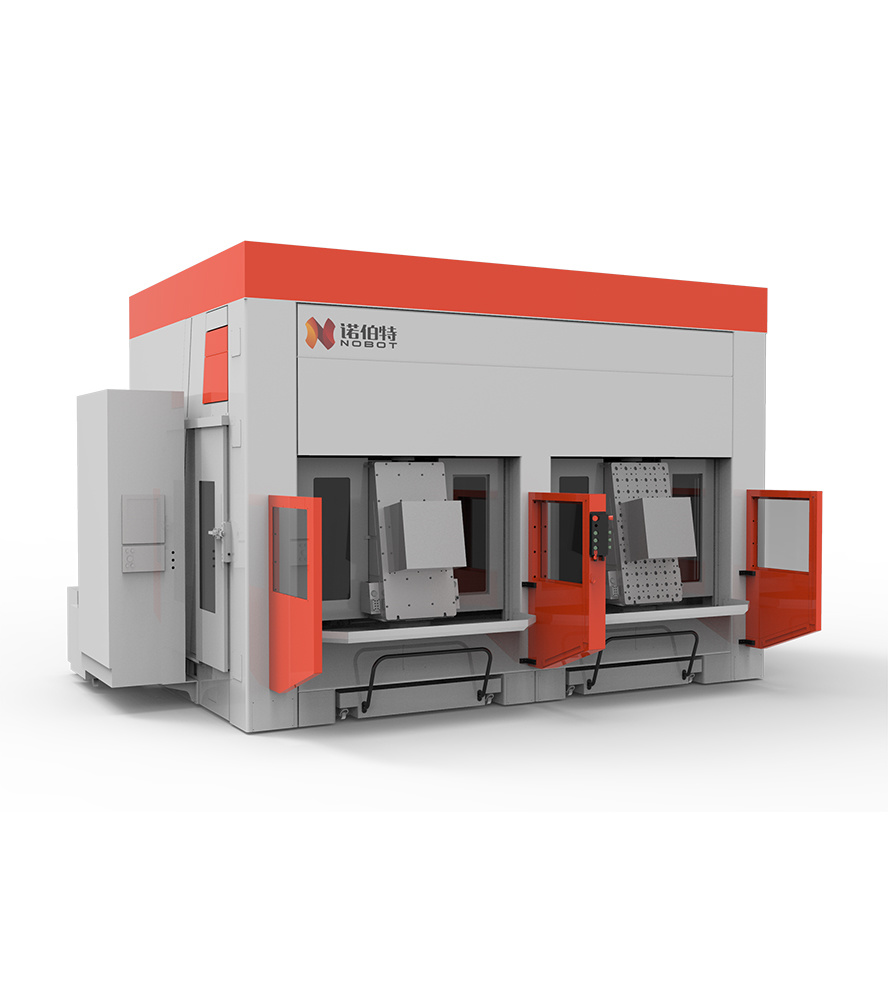
How to use a five-axis machining center efficiently? Today, let's learn a few practical steps!
When using a five-axis machining center, the equipment must first be adjusted to ensure that the workpiece and fixture dimensions precisely match, and that the zero points of each axis are accurately adjusted.
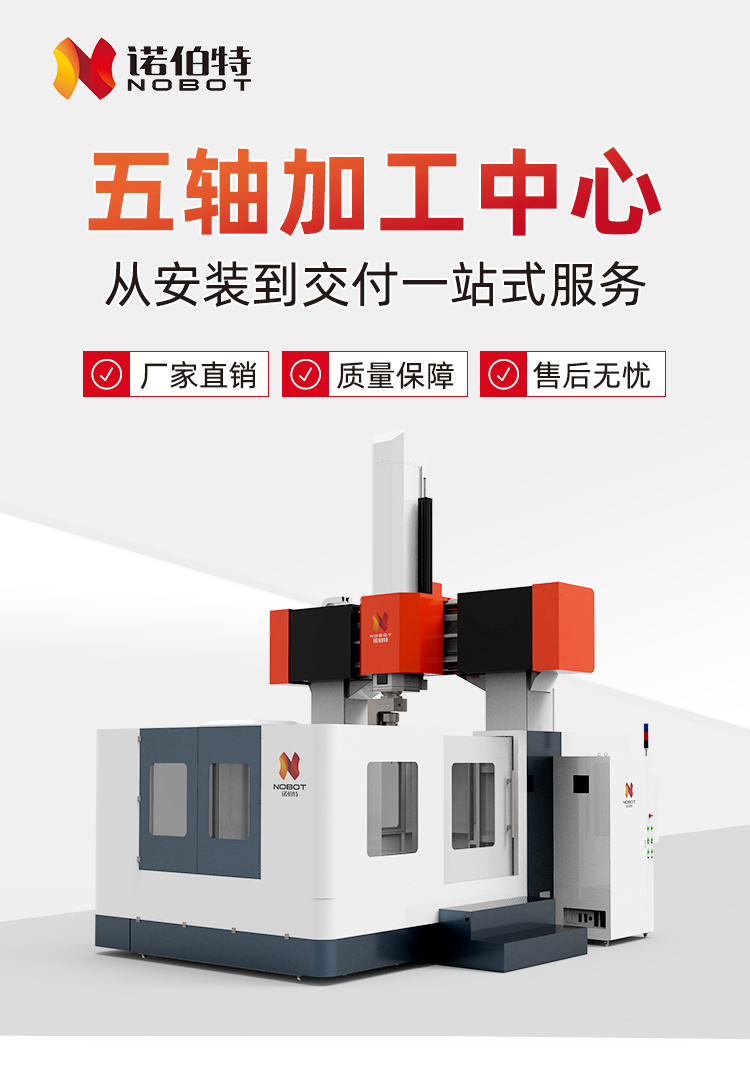
Why do composite materials require 5-axis CNC machining?
Composite materials are widely used in various fields such as aerospace, automotive, construction, energy, energy storage, infrastructure, marine, pipelines and tanks, sports and entertainment, and transportation due to their light weight, high fatigue resistance, and strong fracture resistance. Among them, aerospace and automotive industries are the largest application markets for composite materials. Five-axis CNC plays an important role in the processing of composite materials. Why do composite materials need to be processed using five-axis CNC?
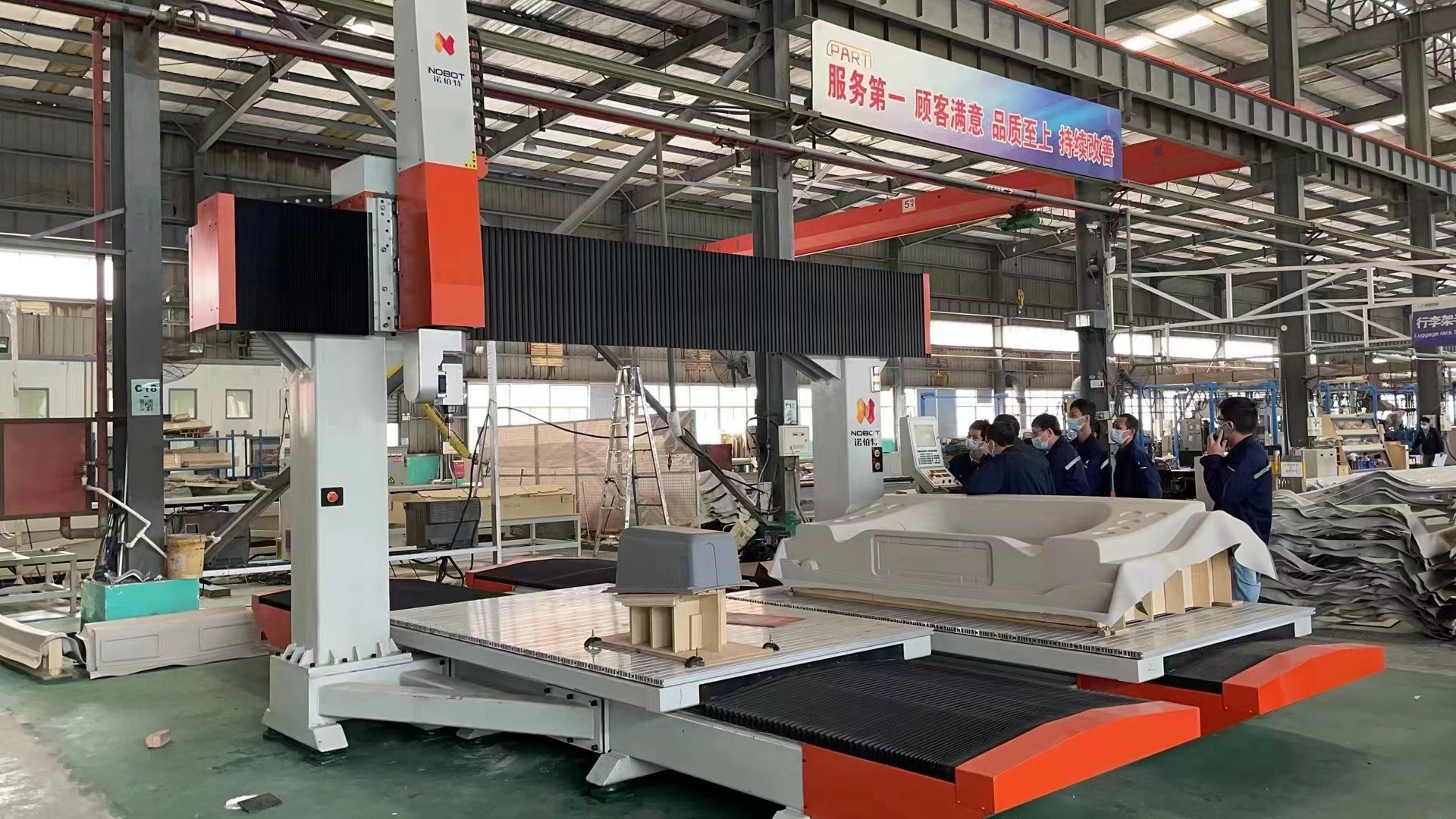
Dual-station five-axis machines offer several significant advantages. First, while one station is being machined, the other can be used for material loading and unloading, ensuring continuous, non-stop machining and significantly improving production efficiency. Second, the dual-station design makes operation more convenient and reduces waiting time. However, dual-station five-axis machines typically cost more than single-station machines and may require more operating and maintenance space.
Nobot Intelligent Equipment Group Co., Ltd.
Pre-sales consultation:86-635-2932233
Fax:86-635-2945333
After-sales consultation:86-635-5086881 / 86-635-2936881
National unified service hotline:86-400-823-3356
Email:nuobote@nobot.cc
Address: No. 1 Plant, No. 88 Huanghe Road, Gaoxin District, Liaocheng City, Shandong Province

copyright © 2025 Nobot Intelligent Equipment Group Co., Ltd.