

-
-
-
Application

-
-
-
-
Service
Application of automated three-dimensional warehouse technology in the rubber tire industry
Published Time:
Oct 14,2021
Automated three-dimensional warehouses play a significant role in the production and manufacturing process. This article uses a well-known international rubber group as a case study, and from multiple perspectives, including project requirements, scheme development, and system composition, comprehensively introduces the practical application of automated three-dimensional warehouse systems in rubber tire production. This project can realize the automatic conveying, three-dimensional storage, and intelligent management of mixed rubber in a rubber group's rubber mixing workshop, serving as an important technical support scheme for achieving intelligent and unmanned rubber mixing.
Due to production processes, the working environment in tire production workshops is generally characterized by high temperatures, strong odors, and heavy smoke. With the continuous improvement of people's living standards, fewer and fewer workers are willing to work in such an environment, making recruitment increasingly difficult and labor costs increasingly high for enterprises. The production processes and working environment of the tire industry urgently need upgrading and transformation. The adoption of automated three-dimensional warehouse technology can realize the automatic storage and conveying of rubber materials, as well as the centralized and closed management of rubber materials, minimizing the impact of rubber sheets on workshop air quality. This is both a smart project and an environmental protection project, a typical solution with superimposed functions, which can provide some reference for the industry.
This article uses a well-known international rubber group as a case study, and from multiple perspectives, including project requirements, scheme development, and system composition, comprehensively introduces the practical application of automated three-dimensional warehouse systems in rubber tire production.
I. Project Requirements
A certain group company is an internationally renowned tire manufacturer, holding a significant position in the global tire industry. The floor space of the three-dimensional warehouse in the rubber mixing workshop is 100m (L) × 15m (W) × 15m (H). The project requirement is to convey and store/retrieve rubber materials produced by 8 rubber cooling lines according to requirements, as well as the storage and retrieval of purchased accelerators. The three-dimensional warehouse for mixed rubber stores butyl rubber, sulfur-free rubber, accelerators, second-stage processed materials, and empty pallets, with a maximum cargo weight of 1 ton/pallet. The automated three-dimensional warehouse area for mixed rubber is divided into left and right zones, i.e., two left and right warehouses. It needs to automatically supply empty pallets to connect with the rubber material receiving area of the rubber cooling lines, and convey the rubber materials produced by the 8 rubber cooling lines to different warehouse areas for storage according to requirements, and then retrieve the rubber materials to the second floor or the first floor to other workshops according to actual production needs. Basic cargo information is shown in Table 1;

Cargo storage and retrieval logistics requirements and flow requirements are shown in Table 2.

II. Scheme Development
1. Layout Planning
Combining the enterprise's plant site conditions, the automated three-dimensional warehouse for mixed rubber is planned as left and right zones, i.e., two left and right warehouses. The design plan adopts RGV vehicles, depalletizers, conveyors directly connected to the first-floor rubber cooling lines, and uses an automated three-dimensional warehouse for cargo storage, realizing the automatic supply of empty pallets to the rubber receiving area of the rubber cooling lines; after receiving the rubber, the rubber materials are automatically conveyed for storage and retrieval, with the entire process being unmanned. The automated three-dimensional warehouse hardware system mainly adopts stacking cranes, racks, RGV vehicles, conveyors, depalletizers, and AGV vehicles. Figure 1 shows the overall effect diagram of the automated three-dimensional warehouse for mixed rubber.

Each of the left and right warehouses consists of 2 aisles, with a height of 14.5m and 7 layers of racks, with a total of 1464 storage locations. The left warehouse has 728 storage locations (cargo size: 1200mm × 1000mm × 1450mm), and the right warehouse has 736 storage locations (the right warehouse stores two cargo sizes: 288 storage locations of 1200mm × 1200mm × 1750mm; 448 storage locations of 1200mm × 1000mm × 1450mm), meeting the customer's requirement of 1448 storage locations.
The storage and retrieval flow of the automated three-dimensional warehouse for mixed rubber is 172 pallets/h in total. A total of 4 stacking cranes are used in the left and right warehouses, with an average capacity requirement of 43 pallets/h per stacking crane. Given the customer's relatively large flow demand, the stacking crane is designed as a double-fork stacking crane, i.e., there are two forks on the stacking crane, which can simultaneously pick up/place 2 pallets of goods, meeting the customer's usage needs.
2. Mixed Rubber Three-Dimensional Warehouse Operation Process
Cargo storage and retrieval operation process,


(1) Storage of butyl rubber and sulfur-free rubber on the first floor: RGV conveys empty pallets from the warehouse to the terminals of 8 rubber cooling lines (always maintaining empty pallets waiting for materials), depalletizes, and then receives the rubber; after the rubber cooling line receives the rubber, the full pallet with rubber material information (rubber material information is written into the RFID chip by the MES system) is sent to the external shape detection workstation. If the external shape of the cargo is detected as unqualified, an alarm is issued, and it is sent to the abnormal sorting port for manual sorting. After manual sorting, it is stored again. If the external shape is still unqualified after the second external shape detection, the RGV sends the cargo to the abnormal offline port; the abnormal sorting port also serves as the offline port for unstored rubber materials; if the external shape detection is qualified, the RGV sends it to the conveyor line at the aisle storage port (all butyl rubber is stored in the left warehouse, and sulfur-free rubber is allocated by the system to determine whether to store in the left or right warehouse); after the cargo arrives at the stacking crane picking position, the stacking crane picks up the cargo and sends it to the designated rack storage location by the system (an RFID reader is installed on the stacking crane to realize storage location allocation, automatic inventory, and retrieval verification functions); the computer automatically posts the entry, and the storage operation is completed. As shown in Figure 4.

(2) Storage of accelerators on the first floor: Personnel enter storage instructions on the computer, and empty pallets are sent to the conveyor line at the right end of the first floor right warehouse. The forklift places the accelerators on the empty pallets for palletizing and storage. After confirmation, the cargo is stored; if the external shape detection at the storage port detects that the external shape of the cargo is unqualified, it is removed for sorting; if the external shape detection at the storage port detects that the external shape of the cargo is qualified, the cargo information is written into the RFID chip, and a storage instruction is generated. Then, after the stacking crane picks up the cargo, it is sent to the designated rack storage location by the system, and the storage operation is completed. As shown in Figure 5.

(3) Retrieval of butyl rubber on the first floor: The system issues a retrieval instruction, and the left warehouse stacking crane sends the butyl rubber to the conveyor line at the right end of the first floor left warehouse; through the conveyor line and RGV, it is sent to the conveyor line outlet at the right end of the first floor right warehouse, and the retrieval information is displayed on the screen; the forklift retrieves the cargo according to the screen information, and the returned empty pallet is returned to the warehouse; it can also be sent to the conveyor line at the left end of the first floor left warehouse by the left warehouse stacking crane, and the RGV connects the cargo to the retrieval conveyor line, and the forklift picks up and retrieves the cargo, and the returned empty pallet is returned to the warehouse, and the retrieval operation is completed. As shown in Figure 6.

(4) Retrieval of sulfur-free rubber on the second floor: The system issues a retrieval instruction; the stacking crane starts and retrieves the cargo according to the retrieval instruction issued by the computer, and sends it to the conveyor line at the end of the second-floor aisle; then, it is sent to the retrieval conveyor line through the RGV; the AGV forklift performs the cargo retrieval operation, and sends the cargo to the production line, and the retrieval operation is completed. Retrieval of butyl rubber on the second floor, and empty pallets are returned to the warehouse, as shown in Figure 7.

(5) Second-floor accelerator outbound: The system issues an outbound instruction; the stacker crane starts and retrieves the goods according to the outbound instruction issued by the computer, sending them to the conveyor belt at the end of the second-floor aisle; the forklift truck performs the retrieval operation, and the outbound operation is completed. See Figure 8.

(6) First-floor, second-stage materials are directly sent to the second floor via the right-warehouse stacker crane: The forklift truck places the second-stage materials onto the conveyor belt on the first floor of the right warehouse; a material transport request is issued; the materials are transported to the second-floor conveyor belt via the RGV, conveyor belt, and stacker crane; the AGV forklift truck removes the materials. See Figures 9 and 10.


III. System Composition
Seamless integration of the warehouse management system (WMS) and the manufacturing execution system (MES) ensures the accurate and rapid delivery of real-time data. This project involves systems including: warehouse management system (WMS), warehouse control system (WCS), radio frequency system (RFS), and kanban display system, etc., achieving comprehensive management of personnel, goods, vehicles, and equipment.
The main functions of the WMS system include inbound and outbound operations, inventory management and monitoring, data maintenance, and system management. The upper layer of the WCS system connects to the WMS via Ethernet, receiving operation task instructions from the WMS; the lower layer communicates with the stacker crane, RGV vehicle, AGV vehicle, and conveyor belt equipment control systems via industrial buses, serial communication, and other communication devices, issuing equipment operation instructions and collecting and receiving the equipment's operating status and task execution status; functions include task management, job scheduling, equipment monitoring, and exception handling. The RFS handheld terminal system is used for inbound allocation, outbound operations, inventory queries, inventory checks, and pallet merging. The display system displays information on the current tasks being executed at the entrance and exit, providing real-time display of the entire warehouse situation, including storage, alarms, and equipment status.
The entire system can automatically manage inventory goods, realizing real-time and precise inventory management. The system architecture is shown in Figure 11.

IV. Conclusion
This article details the planning process of automated high-bay warehouse technology in the rubber mixing workshop of the tire industry. Based on the actual situation and requirements of the customer's project site, a reasonable scheme is adopted, enabling the mechanization, automation, and unmanned operation of the entire rubber mixing workshop's rubber cooling line-warehouse-production line operations, thereby improving operational efficiency. The project features are as follows:
1. Improved space utilization: Before the project renovation, floor stacking was used. Now, high-bay racking and three-dimensional storage are used, effectively utilizing space, reducing floor space, and lowering land acquisition costs.
2. Centralized management of rubber sheets: Centralized processing, centralized discharge, reduced pollution, and improved environmental protection.
3. Concentrated storage locations: Convenient for control and management, especially with the use of a warehouse management system for information management, which not only enables automatic control of the operation process but also allows for precise management of inventory goods.
4. Features include unmanned operation, informationization, high speed, high density, and intelligence, reducing labor and improving logistics management levels, serving as an important technical support scheme for unmanned rubber mixing.
BLOGS
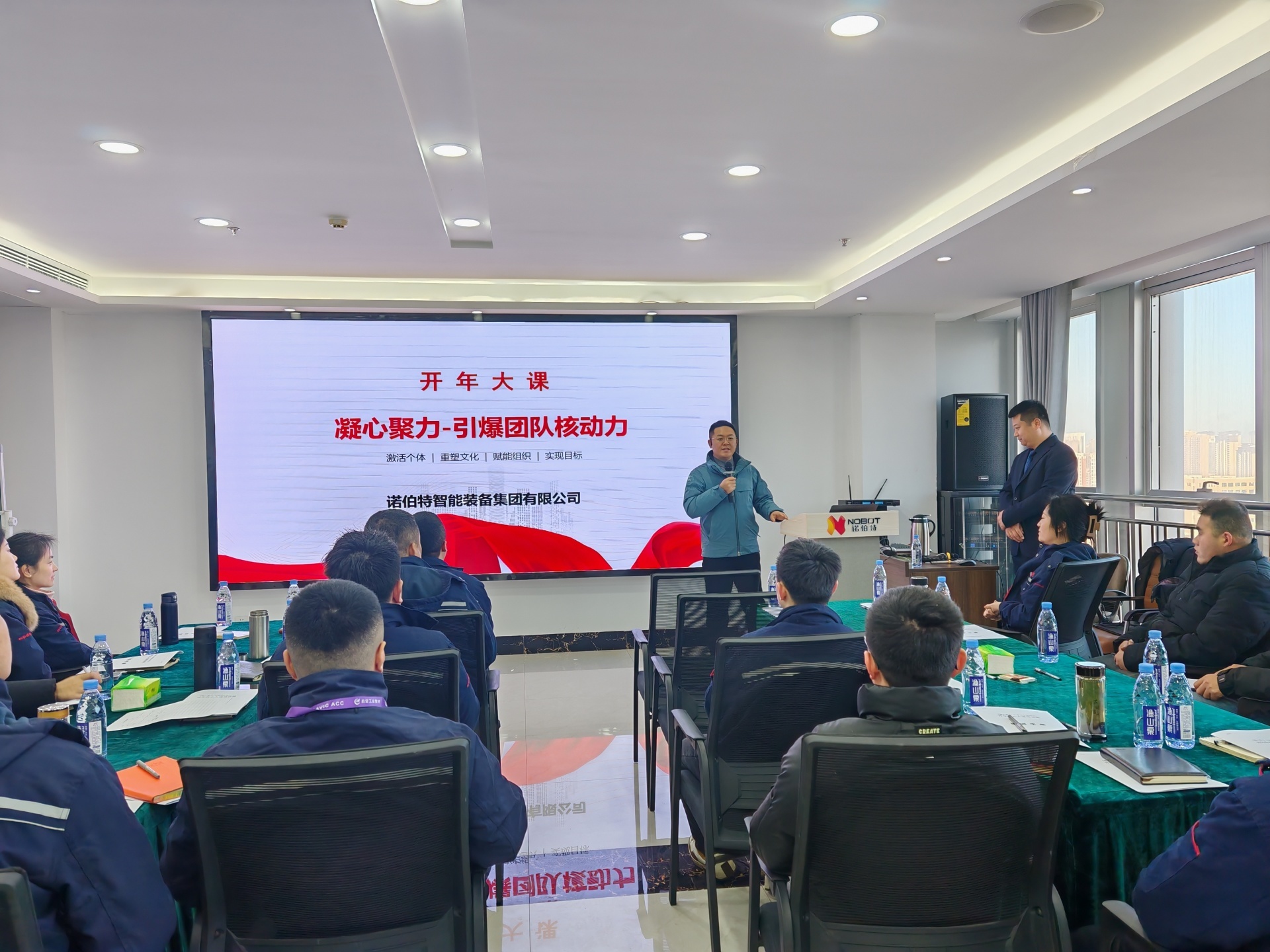
Nobot Group's 2025 Kick-off Event: A Team Building Activity Focused on Unity and Power
This opening ceremony was both a knowledge-boosting session, allowing employees to continuously grow through learning, and a team-building event, bringing everyone closer together. It impressed upon each employee that in today's increasingly competitive market, only by continuously learning new knowledge, daring to innovate, and maintaining teamwork can we remain undefeated. With the collective efforts of all employees, Nobot will surely ride the waves and achieve even greater success on this new journey, steadily advancing towards higher goals!
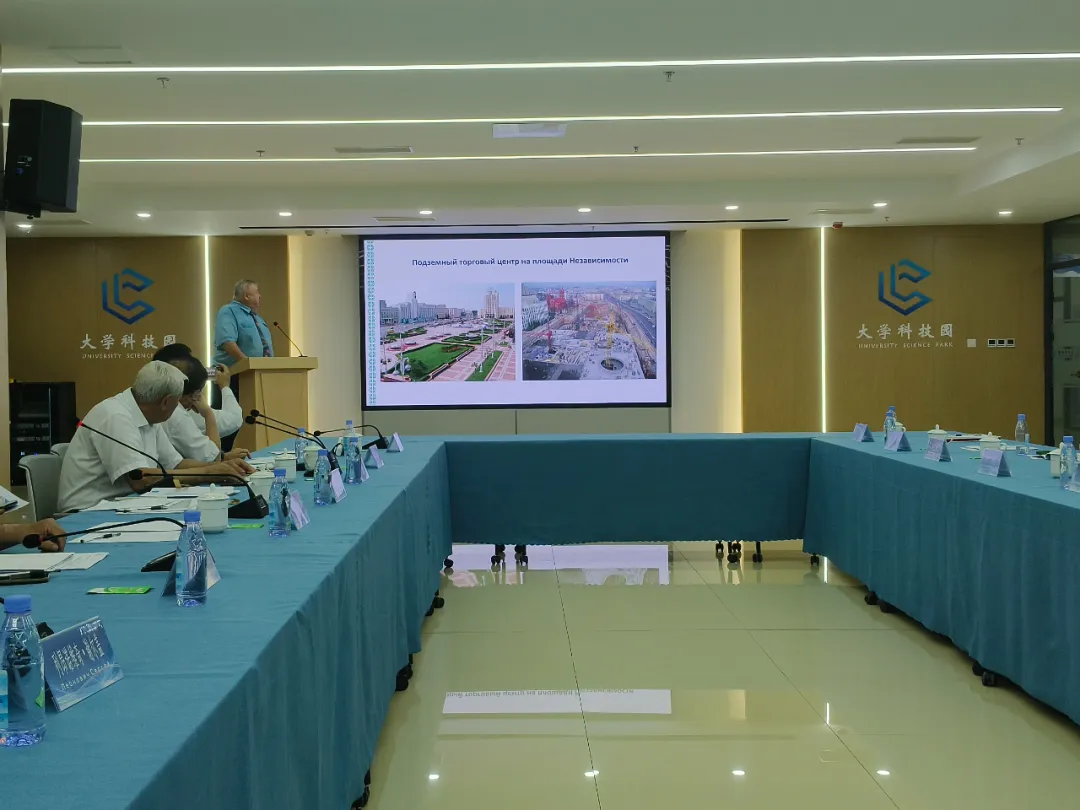
Nobot was invited to attend the Belt and Road International Exchange Conference
On July 28, 2024, the 2024 Liaocheng "Belt and Road" International Exchange Conference and the Unveiling Ceremony of the Central Asia International High-end Talent Joint Training Base were held in the Liaocheng High-tech Zone University Science and Technology Park. Professor Tursunbayev Zaporotot, President of Osh Technological University of the Kyrgyz Republic and corresponding academician of the Kyrgyz Academy of Engineering, and Academician Smaylor Erta of the Kyrgyz Academy of Engineering and the Russian Academy of Natural Sciences, among other experts and scholars from "Belt and Road" countries, participated in the event. Liaocheng Deputy Mayor Wang Gang and Zhang Ya, Party Secretary and Director of the Management Committee of the High-tech Zone, attended the event and delivered speeches.
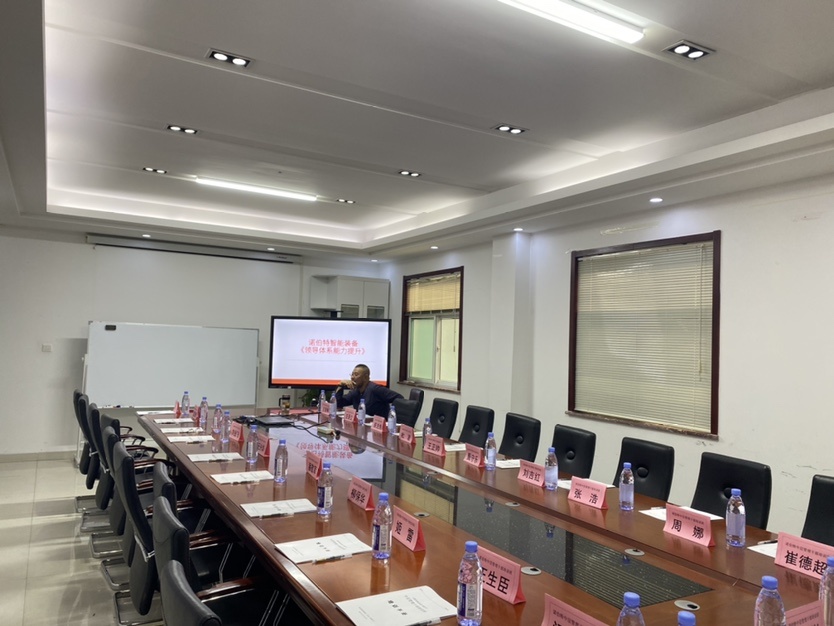
This training event not only provided a valuable learning opportunity for company managers and key personnel, but also built a platform for communication and sharing. During the training, everyone actively interacted and discussed enthusiastically, exploring effective ways to improve management capabilities together. Through this training, everyone has gained rich knowledge and skills, but more importantly, it has inspired confidence and motivation for the future.
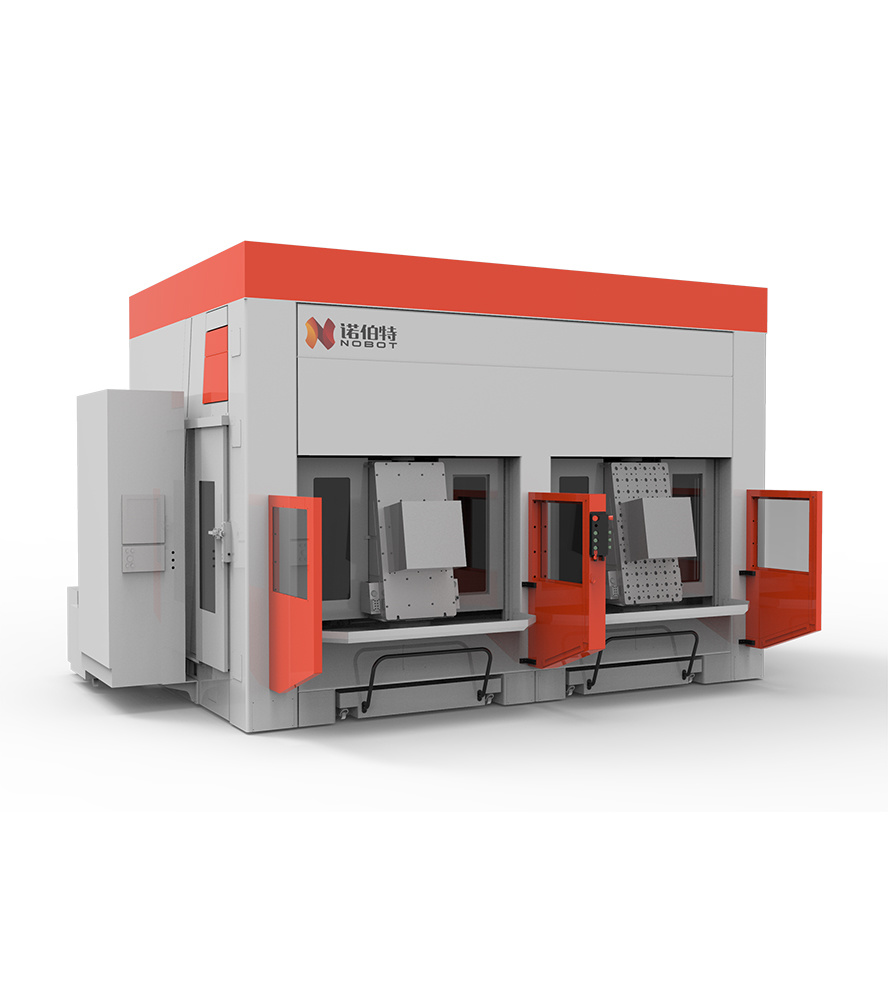
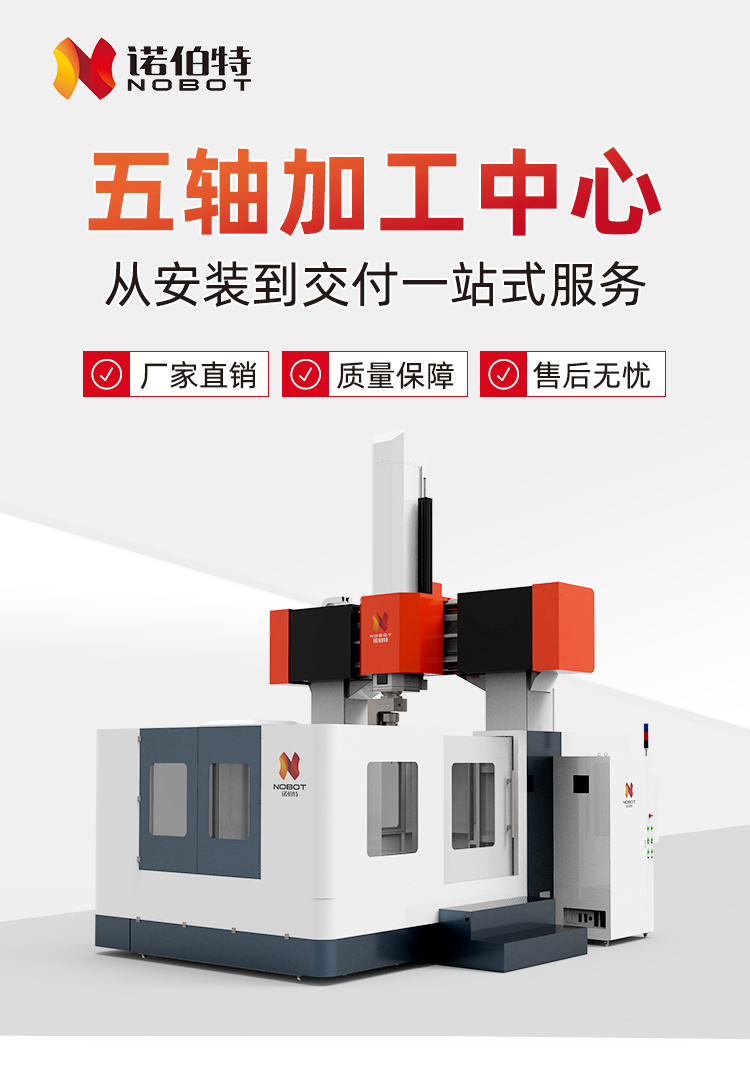
How to use a five-axis machining center efficiently? Today, let's learn a few practical steps!
When using a five-axis machining center, the equipment must first be adjusted to ensure that the workpiece and fixture dimensions precisely match, and that the zero points of each axis are accurately adjusted.
Why do composite materials require 5-axis CNC machining?
Composite materials are widely used in various fields such as aerospace, automotive, construction, energy, energy storage, infrastructure, marine, pipelines and tanks, sports and entertainment, and transportation due to their light weight, high fatigue resistance, and strong fracture resistance. Among them, aerospace and automotive industries are the largest application markets for composite materials. Five-axis CNC plays an important role in the processing of composite materials. Why do composite materials need to be processed using five-axis CNC?
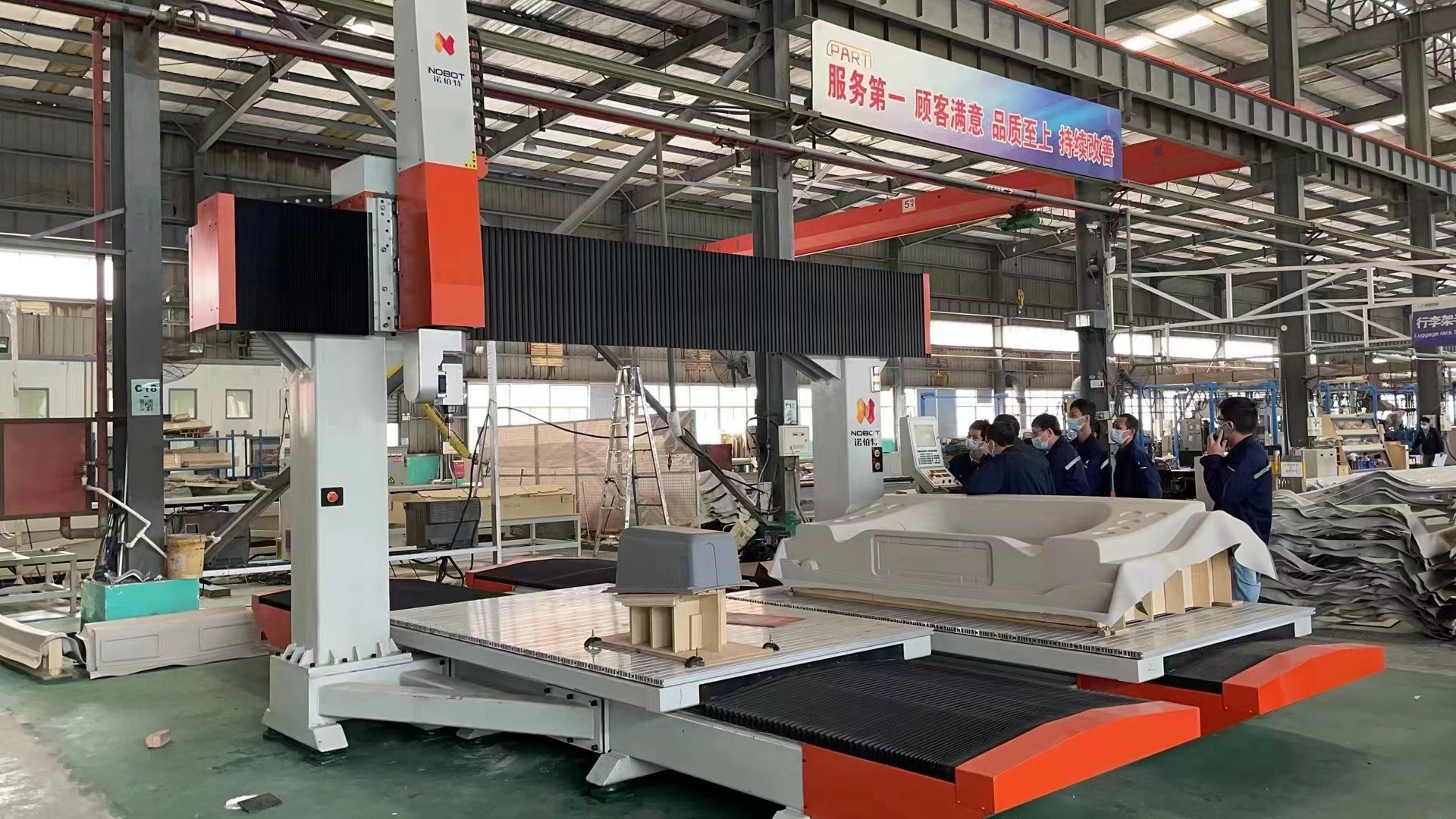
Dual-station five-axis machines offer several significant advantages. First, while one station is being machined, the other can be used for material loading and unloading, ensuring continuous, non-stop machining and significantly improving production efficiency. Second, the dual-station design makes operation more convenient and reduces waiting time. However, dual-station five-axis machines typically cost more than single-station machines and may require more operating and maintenance space.
Nobot Intelligent Equipment Group Co., Ltd.
Pre-sales consultation:86-635-2932233
Fax:86-635-2945333
After-sales consultation:86-635-5086881 / 86-635-2936881
National unified service hotline:86-400-823-3356
Email:nuobote@nobot.cc
Address: No. 1 Plant, No. 88 Huanghe Road, Gaoxin District, Liaocheng City, Shandong Province

copyright © 2025 Nobot Intelligent Equipment Group Co., Ltd.